Chengdu Shu Brocade and Embroidery Museum
This superb adventure in remote China combines the experience of real Tibetan culture with a spectacular trek through the beautiful valleys of Riwoche and Moxi to the Monastery below the ice-fluted shark's fin of Minya Konka (7556m), the world's third highest peak outside the Himalaya. Situated o...
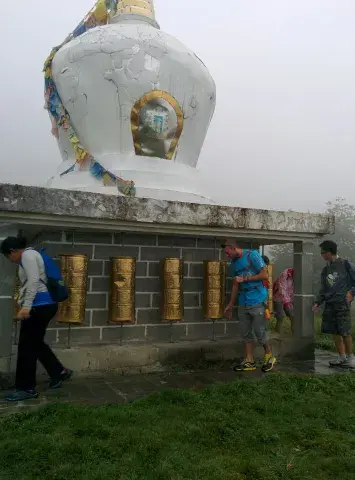
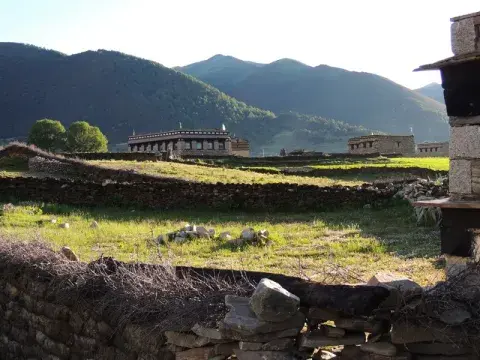
This superb adventure in remote China combines the experience of real Tibetan culture with a spectacular trek through the beautiful valleys of Riwoche and Moxi to the Monastery below the ice-fluted shark's fin of Minya Konka (7556m), the world's third highest peak outside the Himalaya. Situated on the eastern edge of the Tibetan Plateau, Minya Konka is also one of the most sacred mountains to Tibetan Buddhists, equal in status to Mount Kailas in Western Tibet. Impressive mountain panoramas and austere glaciers, babbling brooks and river torrents, azure blue lakes, enchanting mixed woodland, grazing yaks and their nomadic herders, chortens, mani walls, prayer flags and elaborately decorated Gompas can all be found here.
Our week long trek begins just south of Kangding. the 'Gateway to Tibet'. We make a steady ascent of the Riwoche valley with its soaring cliffs and fast river torrents. At the head of this valley we enter a high grazing area where we will encounter the temporary settlements of the nomadic yak herders. Climbing to cross the 4900 metre Bhuchu La, we then descend the beautiful Moxi valley eventually entering forests of rhododendron, juniper, birch and oak which in October become a riot of Autumnal colours. We stay overnight in the Konka monastery and the climax of our trek is the climb to the ridge above for unrivalled views of Minya Konka and the Daxue range of 6000-metre snowy peaks. Although Minya Konka is the undoubted centre-piece of this great trekking holiday to a little visited mountain region of Sichuan, there is much more to the holiday than this, admittedly, superbly photogenic mountain.
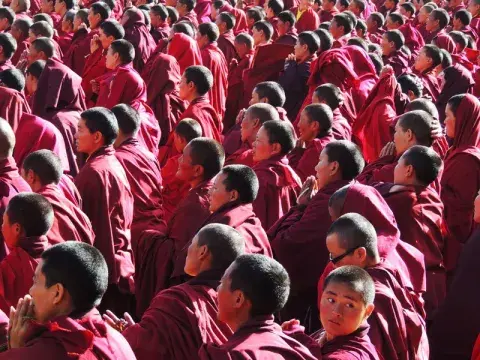
If you want to see real Tibetan culture, this is where you should come. This holiday will give you an insight into the rural life of the Kham region and also of the Minyak people who are an ethnic group distinct again from their Khampa neighbours. Combined with a fascinating journey through Sichuan province, with its many spectacular monasteries, gigantic 'hill paintings' and the great Mani Pile of Tagong, and sightseeing in the city of Chengdu, including the Pandas at the world famous breeding centre. This is a world class trekking holiday and also a real adventure and travel experience in an area visited by very few Westerners.


Sanxingdui Museum
This superb adventure in remote China combines the experience of real Tibetan culture with a spectacular trek through the beautiful valleys of Riwoche and Moxi to the Monastery below the ice-fluted shark's fin of Minya Konka (7556m), the world's third highest peak outside the Himalaya. Situated o...
This superb adventure in remote China combines the experience of real Tibetan culture with a spectacular trek through the beautiful valleys of Riwoche and Moxi to the Monastery below the ice-fluted shark's fin of Minya Konka (7556m), the world's third highest peak outside the Himalaya. Situated on the eastern edge of the Tibetan Plateau, Minya Konka is also one of the most sacred mountains to Tibetan Buddhists, equal in status to Mount Kailas in Western Tibet. Impressive mountain panoramas and austere glaciers, babbling brooks and river torrents, azure blue lakes, enchanting mixed woodland, grazing yaks and their nomadic herders, chortens, mani walls, prayer flags and elaborately decorated Gompas can all be found here.
Our week long trek begins just south of Kangding. the 'Gateway to Tibet'. We make a steady ascent of the Riwoche valley with its soaring cliffs and fast river torrents. At the head of this valley we enter a high grazing area where we will encounter the temporary settlements of the nomadic yak herders. Climbing to cross the 4900 metre Bhuchu La, we then descend the beautiful Moxi valley eventually entering forests of rhododendron, juniper, birch and oak which in October become a riot of Autumnal colours. We stay overnight in the Konka monastery and the climax of our trek is the climb to the ridge above for unrivalled views of Minya Konka and the Daxue range of 6000-metre snowy peaks. Although Minya Konka is the undoubted centre-piece of this great trekking holiday to a little visited mountain region of Sichuan, there is much more to the holiday than this, admittedly, superbly photogenic mountain.
If you want to see real Tibetan culture, this is where you should come. This holiday will give you an insight into the rural life of the Kham region and also of the Minyak people who are an ethnic group distinct again from their Khampa neighbours. Combined with a fascinating journey through Sichuan province, with its many spectacular monasteries, gigantic 'hill paintings' and the great Mani Pile of Tagong, and sightseeing in the city of Chengdu, including the Pandas at the world famous breeding centre. This is a world class trekking holiday and also a real adventure and travel experience in an area visited by very few Westerners.
Minya Konka (Mt. Gongga)
This superb adventure in remote China combines the experience of real Tibetan culture with a spectacular trek through the beautiful valleys of Riwoche and Moxi to the Monastery below the ice-fluted shark's fin of Minya Konka (7556m), the world's third highest peak outside the Himalaya. Situated o...
This superb adventure in remote China combines the experience of real Tibetan culture with a spectacular trek through the beautiful valleys of Riwoche and Moxi to the Monastery below the ice-fluted shark's fin of Minya Konka (7556m), the world's third highest peak outside the Himalaya. Situated on the eastern edge of the Tibetan Plateau, Minya Konka is also one of the most sacred mountains to Tibetan Buddhists, equal in status to Mount Kailas in Western Tibet. Impressive mountain panoramas and austere glaciers, babbling brooks and river torrents, azure blue lakes, enchanting mixed woodland, grazing yaks and their nomadic herders, chortens, mani walls, prayer flags and elaborately decorated Gompas can all be found here.
Our week long trek begins just south of Kangding. the 'Gateway to Tibet'. We make a steady ascent of the Riwoche valley with its soaring cliffs and fast river torrents. At the head of this valley we enter a high grazing area where we will encounter the temporary settlements of the nomadic yak herders. Climbing to cross the 4900 metre Bhuchu La, we then descend the beautiful Moxi valley eventually entering forests of rhododendron, juniper, birch and oak which in October become a riot of Autumnal colours. We stay overnight in the Konka monastery and the climax of our trek is the climb to the ridge above for unrivalled views of Minya Konka and the Daxue range of 6000-metre snowy peaks. Although Minya Konka is the undoubted centre-piece of this great trekking holiday to a little visited mountain region of Sichuan, there is much more to the holiday than this, admittedly, superbly photogenic mountain.
If you want to see real Tibetan culture, this is where you should come. This holiday will give you an insight into the rural life of the Kham region and also of the Minyak people who are an ethnic group distinct again from their Khampa neighbours. Combined with a fascinating journey through Sichuan province, with its many spectacular monasteries, gigantic 'hill paintings' and the great Mani Pile of Tagong, and sightseeing in the city of Chengdu, including the Pandas at the world famous breeding centre. This is a world class trekking holiday and also a real adventure and travel experience in an area visited by very few Westerners.