North Market--Huang Temple
The North Market is comprised of two perpendicular pedestrian-only streets. The market includes an array of food vendors selling meat sticks (肉串, ròu chuàr), dumplings (饺子), baozi (包子), beer, and other goodies. The street is surrounded by several shops, including a jade marke...
The North Market is comprised of two perpendicular pedestrian-only streets. The market includes an array of food vendors selling meat sticks (肉串, ròu chuàr), dumplings (饺子), baozi (包子), beer, and other goodies. The street is surrounded by several shops, including a jade market, while other street merchants sell books, artwork, decorations, and miscellaneous trinkets.
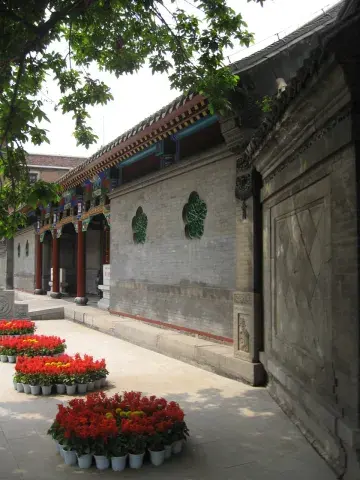
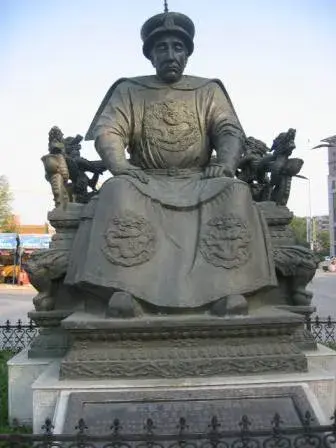
Adjacent to the market is the “True Victory” Temple (实胜寺庙 shí shèng sìmiào). This Buddhist temple was built in 1636 by the second Qing Dynasty emperor, Huang Taiji (皇太极), and is also known by the name “huáng sìmiào” (皇寺庙). The temple houses the cremated remains of a high-ranking Buddhist monk, and sometimes visitors are lucky enough to witness a performance of a traditional ceremonial Buddhist dance. Just outside the temple, there are large stone statues of all 12 Qing Dynasty emperors seated proudly upon their thrones. Entrance to the temple is 15 yuan.


During the New Year’s Holiday and the October Holiday, the area holds a “Temple Fair” (庙会). Each year the area becomes crowded with people buying food, and tying red prayer-ribbons around the trees in the temple. There are also some special performances. The Fair starts about one week before Spring Festival, and lasts for 15 more days afterwards.
Location: The market itself is Huang Si Lu (皇寺路), between San Jing Jie (三经街) and Nanjing Jie (南京街). From Government Square, go one block west on Shi Fu Lu (市府路) and you will see a large stone archway for the entrance. From Xi Ta, go 1 km east on Shi Fu Lu. All taxi drivers will know "běi shìchǎng".


(Huang Temple from above) (Statues of all Qing Dynasty Emperors)
(Photos by David de Jesus, 2007)