Sichuan Province Attractions

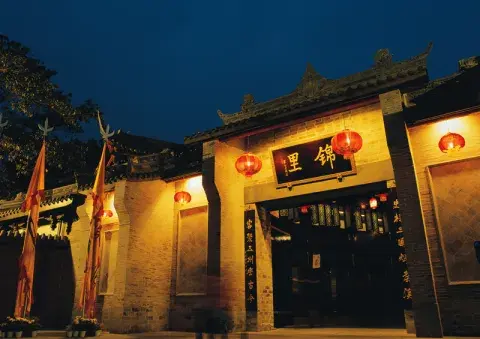
Chengdu Shu Brocade and Embroidery Museum

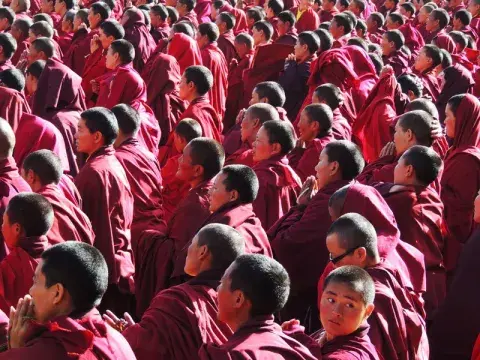
This superb adventure in remote China combines the experience of real Tibetan culture with a spectacular trek through the beautiful valleys of Riwoche and Moxi to the Monastery below the ice-fluted shark's fin of Minya Konka (7556m), the world's third highest peak outside the Himalaya. Situated o...

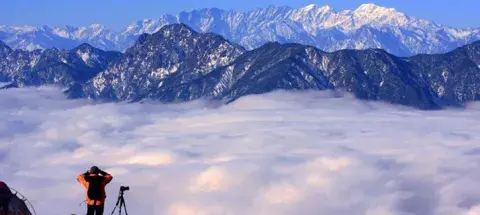
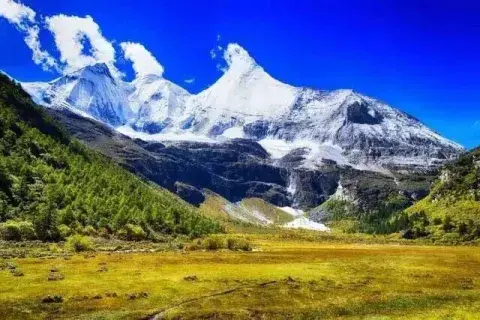
This superb adventure in remote China combines the experience of real Tibetan culture with a spectacular trek through the beautiful valleys of Riwoche and Moxi to the Monastery below the ice-fluted shark's fin of Minya Konka (7556m), the world's third highest peak outside the Himalaya. Situated on the eastern edge of the Tibetan Plateau, Minya Konka is also one of the most sacred mountains to Tibetan Buddhists, equal in status to Mount Kailas in Western Tibet. Impressive mountain panoramas and austere glaciers, babbling brooks and river torrents, azure blue lakes, enchanting mixed woodland, grazing yaks and their nomadic herders, chortens, mani walls, prayer flags and elaborately decorated Gompas can all be found here.

Our week long trek begins just south of Kangding. the 'Gateway to Tibet'. We make a steady ascent of the Riwoche valley with its soaring cliffs and fast river torrents. At the head of this valley we enter a high grazing area where we will encounter the temporary settlements of the nomadic yak herders. Climbing to cross the 4900 metre Bhuchu La, we then descend the beautiful Moxi valley eventually entering forests of rhododendron, juniper, birch and oak which in October become a riot of Autumnal colours. We stay overnight in the Konka monastery and the climax of our trek is the climb to the ridge above for unrivalled views of Minya Konka and the Daxue range of 6000-metre snowy peaks. Although Minya Konka is the undoubted centre-piece of this great trekking holiday to a little visited mountain region of Sichuan, there is much more to the holiday than this, admittedly, superbly photogenic mountain.

If you want to see real Tibetan culture, this is where you should come. This holiday will give you an insight into the rural life of the Kham region and also of the Minyak people who are an ethnic group distinct again from their Khampa neighbours. Combined with a fascinating journey through Sichuan province, with its many spectacular monasteries, gigantic 'hill paintings' and the great Mani Pile of Tagong, and sightseeing in the city of Chengdu, including the Pandas at the world famous breeding centre. This is a world class trekking holiday and also a real adventure and travel experience in an area visited by very few Westerners.

Shangli Ancient Town

Shangli Ancient Town is located near the border of four counties: Mingshan, Qionglai, Lushan, Ya'an. Shangli is an important stopover of Southern Silk Road. The so-called Southern Silk Road, is China's oldest international channels, as early as two thousand years ago, the Western Han Dyna...

Shangli Ancient Town is located near the border of four counties: Mingshan, Qionglai, Lushan, Ya'an. Shangli is an important stopover of Southern Silk Road. The so-called Southern Silk Road, is China's oldest international channels, as early as two thousand years ago, the Western Han Dynasty had already appeared. It started from Sichuan ,then to Yunnan Zhaotong, Qujing, Dali, Baoshan, Tengchong, exit from Devon into Burma, Thailand, and finally arrived in India and the Middle East.the total length is 200 km, and same famous as the Northwest "Silk Road", as "Southern Silk Road" to world civilization has also made a great contribution

People in Shangli
In the town there are 5 families of ancient settlements, commonly known as the "five families", that is: Han, Yang, Chen, Zhang, Xu Wuda family cluster. About five family legend is: each has its own merits. Han Jia silver (business more money), Yang (the top officials aristocratic family), Chen Jia millet (large grain), Zhang sticks (Department of orthopedics, Xu Jia (martial arts) woman beautiful, hard-working)
there are many interesting stories of the five families.

Architectural pattern

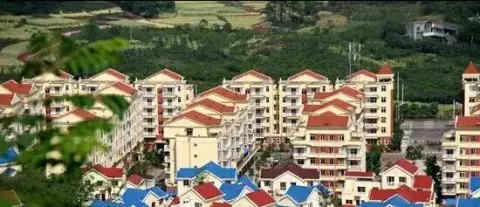
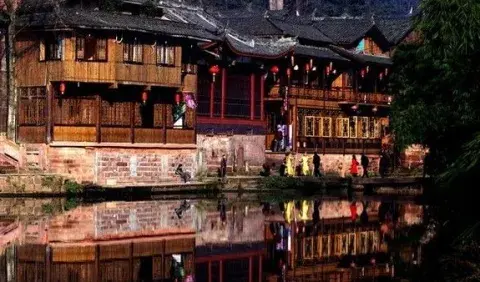
The ancient town construction pattern with spatial characteristics to residential based, architectural style is still dominated by the Ming and Qing dynasties. The town streets were "井" layout, and are not wide, on both sides is full of old pavement. The town to the wooden structure as the main building, apartment "well water, water and fire", the fire water system for sin, for the town of peace.

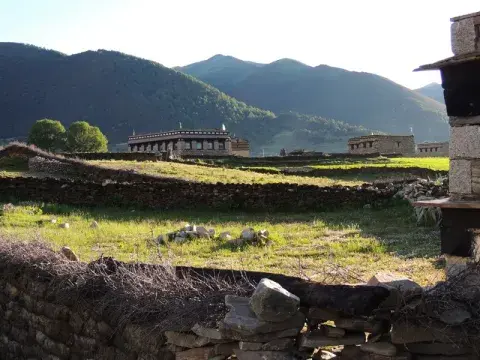
if you don't want to see things so "toursist", Shangli is a good place to go. about half an hour drive from Ya'an Bifengxia Panda Base. 

Sanxingdui Museum

This superb adventure in remote China combines the experience of real Tibetan culture with a spectacular trek through the beautiful valleys of Riwoche and Moxi to the Monastery below the ice-fluted shark's fin of Minya Konka (7556m), the world's third highest peak outside the Himalaya. Situated o...

This superb adventure in remote China combines the experience of real Tibetan culture with a spectacular trek through the beautiful valleys of Riwoche and Moxi to the Monastery below the ice-fluted shark's fin of Minya Konka (7556m), the world's third highest peak outside the Himalaya. Situated on the eastern edge of the Tibetan Plateau, Minya Konka is also one of the most sacred mountains to Tibetan Buddhists, equal in status to Mount Kailas in Western Tibet. Impressive mountain panoramas and austere glaciers, babbling brooks and river torrents, azure blue lakes, enchanting mixed woodland, grazing yaks and their nomadic herders, chortens, mani walls, prayer flags and elaborately decorated Gompas can all be found here.

Our week long trek begins just south of Kangding. the 'Gateway to Tibet'. We make a steady ascent of the Riwoche valley with its soaring cliffs and fast river torrents. At the head of this valley we enter a high grazing area where we will encounter the temporary settlements of the nomadic yak herders. Climbing to cross the 4900 metre Bhuchu La, we then descend the beautiful Moxi valley eventually entering forests of rhododendron, juniper, birch and oak which in October become a riot of Autumnal colours. We stay overnight in the Konka monastery and the climax of our trek is the climb to the ridge above for unrivalled views of Minya Konka and the Daxue range of 6000-metre snowy peaks. Although Minya Konka is the undoubted centre-piece of this great trekking holiday to a little visited mountain region of Sichuan, there is much more to the holiday than this, admittedly, superbly photogenic mountain.

If you want to see real Tibetan culture, this is where you should come. This holiday will give you an insight into the rural life of the Kham region and also of the Minyak people who are an ethnic group distinct again from their Khampa neighbours. Combined with a fascinating journey through Sichuan province, with its many spectacular monasteries, gigantic 'hill paintings' and the great Mani Pile of Tagong, and sightseeing in the city of Chengdu, including the Pandas at the world famous breeding centre. This is a world class trekking holiday and also a real adventure and travel experience in an area visited by very few Westerners.

Minya Konka (Mt. Gongga)

This superb adventure in remote China combines the experience of real Tibetan culture with a spectacular trek through the beautiful valleys of Riwoche and Moxi to the Monastery below the ice-fluted shark's fin of Minya Konka (7556m), the world's third highest peak outside the Himalaya. Situated o...

This superb adventure in remote China combines the experience of real Tibetan culture with a spectacular trek through the beautiful valleys of Riwoche and Moxi to the Monastery below the ice-fluted shark's fin of Minya Konka (7556m), the world's third highest peak outside the Himalaya. Situated on the eastern edge of the Tibetan Plateau, Minya Konka is also one of the most sacred mountains to Tibetan Buddhists, equal in status to Mount Kailas in Western Tibet. Impressive mountain panoramas and austere glaciers, babbling brooks and river torrents, azure blue lakes, enchanting mixed woodland, grazing yaks and their nomadic herders, chortens, mani walls, prayer flags and elaborately decorated Gompas can all be found here.

Our week long trek begins just south of Kangding. the 'Gateway to Tibet'. We make a steady ascent of the Riwoche valley with its soaring cliffs and fast river torrents. At the head of this valley we enter a high grazing area where we will encounter the temporary settlements of the nomadic yak herders. Climbing to cross the 4900 metre Bhuchu La, we then descend the beautiful Moxi valley eventually entering forests of rhododendron, juniper, birch and oak which in October become a riot of Autumnal colours. We stay overnight in the Konka monastery and the climax of our trek is the climb to the ridge above for unrivalled views of Minya Konka and the Daxue range of 6000-metre snowy peaks. Although Minya Konka is the undoubted centre-piece of this great trekking holiday to a little visited mountain region of Sichuan, there is much more to the holiday than this, admittedly, superbly photogenic mountain.

If you want to see real Tibetan culture, this is where you should come. This holiday will give you an insight into the rural life of the Kham region and also of the Minyak people who are an ethnic group distinct again from their Khampa neighbours. Combined with a fascinating journey through Sichuan province, with its many spectacular monasteries, gigantic 'hill paintings' and the great Mani Pile of Tagong, and sightseeing in the city of Chengdu, including the Pandas at the world famous breeding centre. This is a world class trekking holiday and also a real adventure and travel experience in an area visited by very few Westerners.
Sichuan Province Articles

Top Sichuan Province Tours

$200 Per Day

CHENGDU, A PANDA CITY, A GOURMET CITY, A TEA CITY, LOOKING FOWARD TO YOUR ARRIVAL

Chengdu, with an area of 12,400 square kilometers and a polulation of about 14,170,000 is not just the biggest provincial capital in west China, but also the only city in the history of China whose name has reminded the same for 3,000 years since its establishment. In Chinese, "Cheng" means "success or successful" and "Du" means "big city or capital". This "Successful City" boasts a long history. It is believed that everything about Chengdu has their origin from "Sanxingdui Ruins", from where you can deeply discover the history story of Chengdu.

Giant pandas definitely are the best calling card and trademark of Chengdu. Every year, million of people are attracted by giant pandas to spend their holidays here, go sightseeing here, make investment here and even settle here permanently. The reason is that for people around the world, the charm of giant pandas cannot be replaced by anything else. 

Various kinds of wonderful food shall be another reason attracting you to visit Chengdu. Of the four most famous schools of culinery art in China (Beijing cuisine, Sichuan cuisine, Jiangsu cuisine, Guangdong cuisine), Sichuan cuisine boasts tongue-numbing, hot, delicate and fresh taste and a variety of flavors, as "each dish has its unique taste and no two dishes have the same flavor." Such spcial flavors as fish-flavored, gongbao (with peanuts), and water-boiled are incomparable at home and abroad.

"The teahouses in Sichuan top the world, and those in Chengdu Top Sichuan." This widespread saying not only points out the status of Chengdu's teahouses but also the inseverable ties between Chengdu culture and tea. Like bars in Paris and cafes in Vienna, teahouse add a touch of refinement and leisureliness to Chengdu, an ancient yet modern metropolis. The practice of driking tea prevailed in Sichuan as earlt as prior to the Qin and Han Dynasties.

Wish you can have a nice trip in Chengdu. You will love it.