Sichuan Province Attractions


Sichuan Province Articles
Bike Riding User Guide in China
Public bikes in China is very popular
how to ride a public bike in China ? here is the guiding tips :
1 Preparation
download the App and register by your phone number
...Public bikes in China is very popular
how to ride a public bike in China ? here is the guiding tips :
1 Preparation
download the App and register by your phone number
you can also follow Ofo's official wechat account to borrow one. or you can use mobike by wechat's mini program
Real name registrations :
passport registration is available for people without a Chinese ID card. you can input in your name ,certificate number, nationality and upload a photo of your passport ID page and a photo of your holding the passport.
2. Deposit and Prepay
Ofo :99 rmb for deposit, top up 20, 50. or 100 RMB to your account.
Blugogo: 99 RMB for deposit. p ay after using.
Mobike: 299 RMB for deposit
Top up 1-100 RMB to your account
( pay by wechat or Alipay )
3 Fare
Ofo: 0.5 RMB/h for teachers or students.
1RMB for 30m for other users
Bluegogo :0.5 RMB for 30 m
Mobike : 1 RMB for 30m

Best wishes for Thanksgiving Day!
Dear all,
Thank you for being my valued customers.
In this time of gratitude, I appreciate your trust in me. Counting you among my customers and friends is somthing for which we are especially grateful.
...Dear all,
Thank you for being my valued customers.
In this time of gratitude, I appreciate your trust in me. Counting you among my customers and friends is somthing for which we are especially grateful.
A special greeting of Thanksgiving time to express to you my sincere appreciation for your confidence and loyalty.
I am deeply thankful and extend to you my best wishes for a happy and healthy Thanksgiving Day.
May the good things of life be yours in abundance, not only at Thanksgiving but throughout the coming year.
Warm wishes,
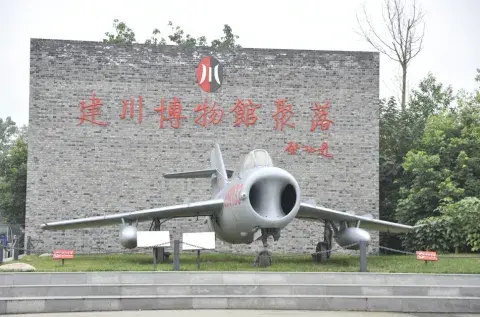
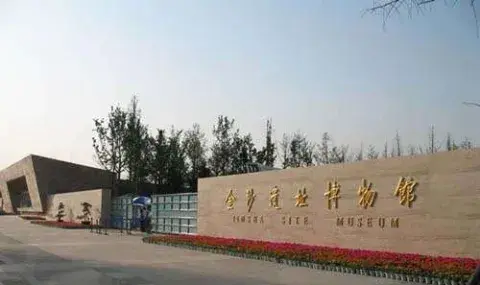
Jianchuan Museum Cluster ~ Anren
A must see of more than 30 museums displaying artifacts associated with the past 100 years of Chinese history....
A must see of more than 30 museums displaying artifacts associated with the past 100 years of Chinese history. You may also be pleasd to discover that included within the Museum Cluster grounds, visitors can find meeting rooms, entertainment, catering, and lodgings, enough to keep every member of the family happy.
The Museum’s four main feature theme groupings; Age of Red, China Folk Customs, War of Resistance, and the Wenchun Earthquake, which amazingly was opened by museum owner Dr. Fan Jianchuan just one month after the terrible disaster. The four themed grouping is joined by the “Plaza of Chinese Heroes” where 100 amazing life-sized cast-iron statues can be found standing somewhat reminiscent of Xian’s Terra Cotta Warriors.
The War of Resistance series features halls with names such as “The Core of Resistance”,“The Hall of Conventional Battlefront”, and “Heroes of the Flying Tigers”, more on this subject to follow.
The series “China Folk Custom” features the halls of “Traditional Furniture” and the Three-inch Golden Lotus”. While the “Age of Red Seals-Clocks & Badges”, and the “Age of Everyday Items” and the “New China Porcelain” halls make up the “Age of Red” series of displays.
Entrance to each individual hall is 20CNY, or you may choose a full-pass to all the series halls for only 100CNY, and generally considered to be the far better deal, as you may return within the same calendar year to visit any of the halls not entered on a previous visit.
Easy to follow signage written in both Chinese & English makes renting a traditional single seat or four seat bench bike a very good option as the plush and very extensive grounds of the Museum Cluster property cover more than 500 Acres.
Dr, Fan Jianchuan, was a child of nine when his father, accused, and subsequently pilloried for anti-revolutionary activities, instructed his son to “collect every scrap of paper on these allegations that you can” and to this day that is exactly what Dr. Fan has done. Now, being regarded as China’s most vigorous collector, Mr. Fan hauls more than 100 containers from the length and breadth of China each year. All filled with prized memorabilia collected and bought by the agents he employs in every Chinese province. One hundred and twenty one of the Cluster’s diversely rich repository of artifacts are classified to be "Class One" National Treasures of China.
When discussing the cultural revolutionary years Dr. Fan has said “Some of us hate those years, some of us think it was a great experience, the good and bad is intertwined within every person, we all have this contradiction within…I do as well. When I die and the museum is still here, I still won’t know the truth, but at least it will be there for history to judge, and that is enough for me.”
Once having seen many of Anren’s Museum Cluster displays, and noting they actually are being displayed, a person may consider such a public display of this extraordinary collection might very well reflect a change in the way today’s China looks at, and regards it's not so distant history.
Top Sichuan Province Tours
$200 Per Day
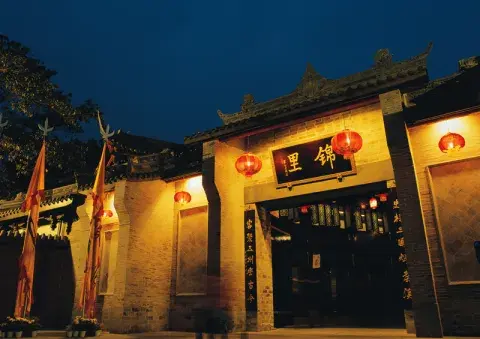
CHENGDU, A PANDA CITY, A GOURMET CITY, A TEA CITY, LOOKING FOWARD TO YOUR ARRIVAL
Chengdu, with an area of 12,400 square kilometers and a polulation of about 14,170,000 is not just the biggest provincial capital in west China, but also the only city in the history of China whose name has reminded the same for 3,000 years since its establishment. In Chinese, "Cheng" means "success or successful" and "Du" means "big city or capital". This "Successful City" boasts a long history. It is believed that everything about Chengdu has their origin from "Sanxingdui Ruins", from where you can deeply discover the history story of Chengdu.
...Read moreChengdu, with an area of 12,400 square kilometers and a polulation of about 14,170,000 is not just the biggest provincial capital in west China, but also the only city in the history of China whose name has reminded the same for 3,000 years since its establishment. In Chinese, "Cheng" means "success or successful" and "Du" means "big city or capital". This "Successful City" boasts a long history. It is believed that everything about Chengdu has their origin from "Sanxingdui Ruins", from where you can deeply discover the history story of Chengdu.
Giant pandas definitely are the best calling card and trademark of Chengdu. Every year, million of people are attracted by giant pandas to spend their holidays here, go sightseeing here, make investment here and even settle here permanently. The reason is that for people around the world, the charm of giant pandas cannot be replaced by anything else.
Various kinds of wonderful food shall be another reason attracting you to visit Chengdu. Of the four most famous schools of culinery art in China (Beijing cuisine, Sichuan cuisine, Jiangsu cuisine, Guangdong cuisine), Sichuan cuisine boasts tongue-numbing, hot, delicate and fresh taste and a variety of flavors, as "each dish has its unique taste and no two dishes have the same flavor." Such spcial flavors as fish-flavored, gongbao (with peanuts), and water-boiled are incomparable at home and abroad.
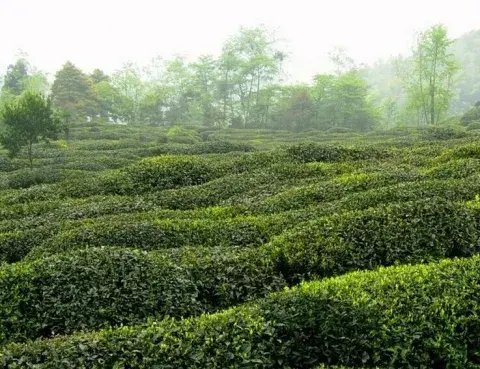
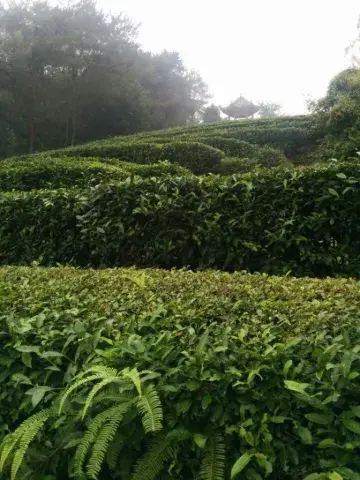
"The teahouses in Sichuan top the world, and those in Chengdu Top Sichuan." This widespread saying not only points out the status of Chengdu's teahouses but also the inseverable ties between Chengdu culture and tea. Like bars in Paris and cafes in Vienna, teahouse add a touch of refinement and leisureliness to Chengdu, an ancient yet modern metropolis. The practice of driking tea prevailed in Sichuan as earlt as prior to the Qin and Han Dynasties.
Wish you can have a nice trip in Chengdu. You will love it.
$1 Per Day
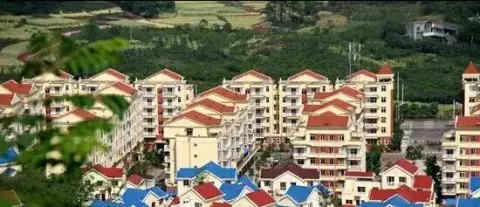
One town sleep under the mouantain
One biggest surprise on the high-speed way.
Pool , lake, grass, trees and more interesting things make this little town like one fairy tale.
The colors of these buildings are cute,green、 red、 blue, all the colors make this place looks like are the one line with the sky .
Some kind of farms here, wehn strawberry grown up , you can also pick the up , you get more closer here, more surprises for you.
Good place for pleasure.

$40 Per Day
Lake Lugu
LAke Lugu is a province located between Yanyuan County in Sichuan Province and Ninglang County in yunnan Province,258 kilometers from Xichang,and 830kilometers from chengdu. Lake Lugu is a provincial sxenic spot in sichuan. The community of Lake Lugu is the only existing matriarchal society in the world. The custom of the "walking marriage"is a "living fossil" for the study on the evolution of human marriage. And Lugu Lake is world famous for its beautiful natural scenery and for its old and mysterious custom of a "walking marriage"....Read more
LAke Lugu is a province located between Yanyuan County in Sichuan Province and Ninglang County in yunnan Province,258 kilometers from Xichang,and 830kilometers from chengdu. Lake Lugu is a provincial sxenic spot in sichuan. The community of Lake Lugu is the only existing matriarchal society in the world. The custom of the "walking marriage"is a "living fossil" for the study on the evolution of human marriage. And Lugu Lake is world famous for its beautiful natural scenery and for its old and mysterious custom of a "walking marriage". We visit the Qionghai Lake Scenic Area in here.