Yunnan Province Attractions


Yunnan Province Articles

Tibetans Living In Shangri-La
Tibetans in Yunnan, the descendants of the Qiang who led a nomadic life in Northwest China in ancient times, have a population of 128,400, most of whom live in Diqing Tibetan Autonomous Prefecture in Northwest Yunnan. They believe in Tibetan Buddhism....
Tibetans in Yunnan, the descendants of the Qiang who led a nomadic life in Northwest China in ancient times, have a population of 128,400, most of whom live in Diqing Tibetan Autonomous Prefecture in Northwest Yunnan. They believe in Tibetan Buddhism. The highland barley is the staple food of Tibetans and their yak-butter tea always gives you an ever-lasting impression.
Shangri-La: A Dreamland
In 1933, James Hilton, a well-known British writer, described Shangri-La, a place of idyllic beauty, in his novel “The Lost Horizon”. In the 1990s, it was agreed that Shangri-La, a Tibetan transliteration which means “the sun and the moon in the heart”, is Diqing Plateau which is in the northwest of Yunnan and has lofty snow-capped mountains. “Shangri-La” in Tibetan Buddhist scriptures means a paradise where man and God, man and nature enjoy a harmonious relationship.
Horse Racing Festival: The Festival of Tibetan Heroes
Tibetan men are excellent horse-riders. The annual horse-race which falls on lunar May 5th has a long history. On this occasion, the horsemen display their skills by competing for more flags and coins while riding on the galloping horses.
Mani Stone: A Symbol of Mysterious Pilgrimage
Meili Snow Mountain enjoys the supreme position among local Tibetans. There are always pilgrims from near and far kowtowing and spinning the prayer wheel along the winding mountain paths covered with snow on Diqing Plateau. Mani Stone means “Prayer Stone” in Tibetan Buddhism and is the popular spot for praying. When a Tibetan pilgrim passes by a Mani Stone, he will walk around it clockwise and put a stone or a sutra flag on it to express his piety and vows. These Buddhist stones and flags in a unique style are special landmarks in Shangri-La.
Watchtower-like House: A Unique Tibetan Architecture
Most Tibetan houses in Diqing are flat-roofed in a watchtower-like style and face east, looking somewhat like the Budala Palace from a distance. This kind of houses is made of various stones and its solid roof is made of several layers of stones and clay. Besides a good shelter, this roof is a nice place for drying things. Most Tibetan houses here have three storeys with the first for domestic animals, the second as the cooking, living and storing place and the third for praying.
Xianzi Dance and Guozhang Dance: The Most Typical Tibetan Dances
Xianzi Dance (Xianzi is a three-stringed musical instrument) is an indispensable dance for fun in the life of Tibetans. On important festivals or events, Tibetan men will play Xianzi and Tibetan women wearing the long-sleeved dress will dance in a circle. Guozhuang Dance is a dance staged by masses of people; it is the most spectacular folk dance in areas inhabited by Tibetans.
Yak-butter Tea: A Household Tibetan Drink
Yunnan is one of the birthplaces of tea culture. Tibetans have gotten used to yak-butter tea that is made of tea, yak-butter and salt. It reveals a typical element of Tibetan culture. Tibetans in Shangri-La have two kinds of wooden bowls for yak-butter tea, one for the ordinary people and the other for the distinguished guests. The male and the female also have different bowls. In Shangri-La, there is a “Tea Festival” which is in fact a song festival during which Tibetan youths enjoy themselves to their heart’s content.

Naxi Nationality: An Ethnic Group Keeping A Hieroglyphic Language
Naxi Nationality, called “Mexi” in ancient times, has a population of 295,500, most of them live in Lijiang area and are the descendants of the ancient Di-Qiang ethnic group in Northwest China. Naxi Nationality has a long history and rich ethnic culture....
Naxi Nationality, called “Mexi” in ancient times, has a population of 295,500, most of them live in Lijiang area and are the descendants of the ancient Di-Qiang ethnic group in Northwest China. Naxi Nationality has a long history and rich ethnic culture. They created their mysterious hieroglyphic characters over one thousand years ago and Naxi music could be traced back to the 13th century when Kublai Khan led his troop on a southern expedition.
Dongba Writing: The Only Living Hieroglyphic Language in the World
Dongbas are Naxi priests and Dongba scriptures are written in Dongba hieroglyphs, also called Naxi hieroglyphs. More than 1,000 Dongba hieroglyphic characters have been identified so far. The hieroglyphic characters used in Central America or along the Nile in ancient times have disappeared with the passage of time but Naxi Dongbas are still using their own hieroglyphic writing, thus “the only living hieroglyphic language in the world” and a wonder of ancient Chinese civilization.
Naxi Ancient Music: A Living Fossil
Naxi Ancient Music consists of “Baishaxi Music” and “Lijiang Dongjing Music”. “Baishaxi Music” refers to the few orchestral pieces of Chinese classical music, rightfully called “living musical fossils” which were in fact the music pieces left by the Mongolian troop led by Kublai Khan on the expedition to Yunnan. “Dongjing Music” belongs to the Taoist music. Lijiang Dongjing Music is a musical treasure because it has kept some ancient tunes which were lost in Central China.
Naxi Women "Wear" Stars and the Moon
Naxi women wear loose garments with large sleeves plus a sleeveless jacket in purple or dark blue. They also wear a Naxi tippet which has seven star-shaped cloth decorations and seven pairs of pendants, thus the name. The legend about the “Star-and-Moon Ornament” goes as follow: It was Yinggu, a brave Naxi girl wearing a similar ornament, who defeated the Drought Demon. This Naxi tippet symbolizes diligence and bravery.
Dongba Religion: A Nature-Worshiping Rite by Naxis
Dongba religion is the traditional religion of the Naxis. “Dongba” means “priest”. The connotations of Dongba religion are embodied in thirty religious activities such as the disease-eradication, the Heaven-worship and the Nature-worship. These Dongba ceremonies reveal Naxi’s ideas of nature-worship and ancestry-worship, and especially the harmony between Nature and Naxis.
Sanduo Festival: A Traditional Naxi Festival
The Sanduo Festival, an important Naxi festival, falls on lunar February 8th. Sanduo, the Fighting God in Naxi’s legend, is regarded as the Supreme Guardian of the Naxis. On this day, Naxis dance to their heart’s content and the thousands of booming camellia flowers in Yufeng Temple add much beauty and grandeur to this grand festival.
Naxi House: The Architecture with Idyllic Connotations
Most traditional Naxi houses are made of wood and earth and face either east or south. Naxi houses are delicately built with various decorations and with small streams running nearby and green willows singing quietly, which look like traditional Chinese paintings.
"Walking Marriage": The Marriage of Mosuo Matriarchal Society
Mosuos, a branch of Naxi, live by Lugu Lake and have kept up a matriarchal life-style. Their unique A'xia marriage is a special “walking marriage (Zouhun)”. When a Naxi lad and a Naxi girl are in love with each other, the lad will walk to the girl’s house to spend the night and come back to his own matriarchal family early next morning. Their marriage is based on the principle of complete freedom.
Mountain-worshiping Ceremony: Mosuo Goddess Festival
Mountain-worshiping Ceremony which falls on lunar July 25th is the most imposing ceremony for worshiping Goddess Gemu. On this occasion, either walking or riding on horseback, Naxis in groups will go to worship Mountain Gemu by Lugu Lake. It is said Mountain Gemu is the embodiment of Goddess Gemu. It is also like a carnival during which the horse racing, wrestling and antiphonal singing are held. While camping in the open air, Naxi youth find it a good opportunity to court their sweethearts.

Bai Nationality: An Ethnic Group Nurtured By Nature
Bai Nationality has a population of about 1,505,600, most of whom live in Dali Bai Autonomous Prefecture in northwest Yunnan. Bais worship white which is the main color of their clothes and ornaments....
Bai Nationality has a population of about 1,505,600, most of whom live in Dali Bai Autonomous Prefecture in northwest Yunnan. Bais worship white which is the main color of their clothes and ornaments. Besides the March Street Festival, the Raosanling, the Torch Festival and other festivals of Hans, Bais worship Benzhu God, who is the local Guardian God, and hold different ceremonies for him. There is no wonder that Bai culture is often regarded as a folklore encyclopedia.
March Street Festival: A Bai Fair
This grand traditional festival of Bais falls on March 15th on the lunar calendar and lasts 5~10 days in Dali Ancient Town. It was a Buddhist meeting in the past. Because Dali was an important hub of transport and commerce on the Ancient Southwest Silk Route, this Buddhist meeting has developed into a trade fair and a grand festival with its own traits. Its business centers on local products like domestic animals and medicinal materials, and the horse-race is also a very popular entertainment.
Raosanling Festival: A Carnival of Bais
This is a self-entertaining folk festival during the slack season from April 24th to April 26th on the lunar calendar. During this festival tens of thousands of Bais from the villages near Er’hai Lake, walking in long lines, will pray for a good harvest and longevity. With each village as a unit, Bais will play their own musical instruments, dance happily and sing folk songs. Thus, it is called a carnival of Bais.
Shibao-Mountain Song Festival at Jianchun: A Cheerful Gathering
During the last three days of July on the lunar calendar, tens of thousands of Bais from Jianchuan and its neighboring counties will gather at Shibao Mountain and sing the songs with the same theme, that is, love. The singing in an antiphonal style can last several days and finally lead to marriage, and Baoxiang Temple is the central gathering-place.
Bai House: a Graceful Style
Bai tile-roofed houses are made of wood and earthen walls and are usually located on a plain or at the foot of a hill. They are usually arranged along the east-west axis with the main door at the northeast corner and the main room facing east. Together with the wing-rooms and the screen wall in different styles, they form a closed courtyard. The age-old and splendid Bai culture and exquisite architecture find full expression in these Bai houses.
"Pinching the Bride" and “Snatching the Pillow”: An Interesting Bai Marriage Custom
A Bai marriage ceremony usually lasts three days. On the wedding day, led by the matchmaker, the bridegroom will go to receive the bride accompanied by Suola-trumpet players. Upon arriving at the bridegroom’s house, the guests will bless the bride by “pinching” her while the bride will run into the bridal chamber in cheers and laughter. Soon after this, the ceremony will begin with the bride and the bridegroom bowing to Heaven and Earth as well as their parents. In some places, upon entering the bridal chamber, the bride and the bridegroom will compete for the pillow. It is said that the one who has sat on the pillow first will become the master of the family. Then, they will drink the “Cross-cupped Wine” to show their mutual love and respect and their wish for a life-long devotion.
Three-Course Tea: A Graceful Bai Etiquette
Bais like drinking baked tea and are particular about their tea set. The best cups for the guests are snow-white and delicate. The well-known Three-Course Tea, which is a graceful Bai etiquette for the distinguished guests, goes as follows: the first course is pure baked tea which tastes bitter, the second is added with sliced walnuts, baked milk-curd and brown sugar which tastes sweet, and the third has honey and several Chinese peppers added which gives meaningful afterthoughts.
Dali Marble: A Revelation of Some Traits of Nature
The marble produced at Cang Mountain in Dali is of high quality. These marble stones have natural and wonderful patterns. Thus, a good marble article is like an impressive and charming picture. Some people have classified marble stones into ten groups according to their natural patterns which reveal different natural landscapes, while other people have divided them into four kinds, each indicating astronomical phenomena, different seasons, mountains, rivers, plants, birds, animals, celestials and fairies respectively.
Bai Bandhnu: An Old Printing and Dyeing Technique
The hand-made Bai bandhnu has a long history, which was introduced from central China and is still popular in Zhoucheng and Weishan. Cotton cloth, fabrics of cotton and linen and Chinese indigo are used as the materials. The usual patterns are bee, butterfly, bird, insect and plum blossom as well as other plants and animals. The white patterns against the blue background look imposing and graceful, which are very popular with domestic and overseas tourists and are regarded as a fashionable decorative art.
Top Yunnan Province Tours

$157 Per Day
Lijiang highlights tour
Day 1 Take direct flight to Lijiang, or transfer from Kunming to Lijiang. Day 2 Tour around the Old Town, including the Sifang Square, Lion Hill and Zhongyi fruit and vegetable market; Black Dragon Pool; Luch in beautiful leisure Shuhe Old Town, then drive 1/2 hrs to Lashi Lake for horse riding around Naxi villages and boating on the peaceful lake. Dinner in a Naxi family. For culture lovers, you may check out the Naxi Antient Music Concert at 8pm.. Mr....Read more
Day 1 Take direct flight to Lijiang, or transfer from Kunming to Lijiang. Day 2 Tour around the Old Town, including the Sifang Square, Lion Hill and Zhongyi fruit and vegetable market; Black Dragon Pool; Luch in beautiful leisure Shuhe Old Town, then drive 1/2 hrs to Lashi Lake for horse riding around Naxi villages and boating on the peaceful lake. Dinner in a Naxi family. For culture lovers, you may check out the Naxi Antient Music Concert at 8pm.. Mr. Xuanke, the conductor of the band, who stayed 29 years in prison as a high scholar in last century, has amazing stories sharing with you. Day 3 Drive 40 kms to the Jade Dragon Snow Mt., watch the show Impression Lijiang, which is something you can not miss coming to this area ( 70 munites long). Then take cable car to the Glacier Park ( altitude at 4500 meters), or Yak Meadow ( 3800 meters high), or Spruce Meadow ( 3300 meters high); Blue Moon Valley, where the water is naturally blue and green; Yufeng Lama Temple and Baisha Fresco on the way back. In Lijiang, 10 percent of population is Tibetan. Tibetan Buddhism came to Lijiang and Naxi people in 700 A.D.. Day 4 Drive 2.5 hrs to Tiger Leaping Gorge. Due to your health and energy level, we can either go to the Middle Tiger Leaping Gorge, which is the most beautiful part, or just the normal tour spots for 2 hrs walking along the river. Drive back to Lijiang. Day 5 Take a morning flight to your next destination.
$300 Per Day
lijiang tiger leaping gorge white water terrace to Shangri-la
Fourdays trip from lijiang to shangri-la back to lijiang Day1 Pick up from lijiang 2hours drive byprivate car to qiao tou ,then hike from qiaotou take 5hours to tea hourse sleep there....Read more
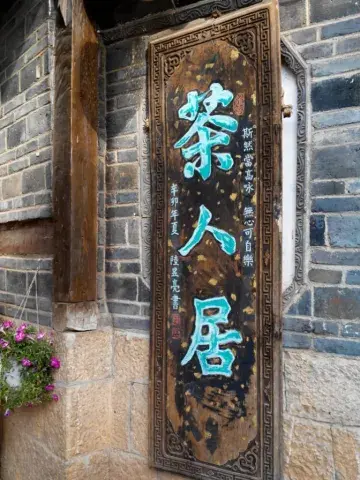
Fourdays trip from lijiang to shangri-la back to lijiang Day1 Pick up from lijiang 2hours drive byprivate car to qiao tou ,then hike from qiaotou take 5hours to tea hourse sleep there. Day2 after breakfast start tea hourse take 4hours to walnut garden,have lunch there then walk down to see the middle gorge take3-4hours then back sleep at walnut garden Day3 after breakfast take two hours private car to white water terrace look around there one hour then straight to Shangri-la 3hours by car,look around old town ,lapa sea stay in Shangri-la over night Day4 leave morning to see the Blue month valley,or Pudacuo National Park,after lunch take 4hours back to lijiang
$1200 Per Day
9 Days Standard Tour of Kunming ——Dali ——Lijiang and Shangri-La
Day1
...Read moreDay1
Meet you outside the baggage claim area at Kunming Airport and transfer you to the hotel. The rest of the day is on your own to explore the city.
Kunming hotel
★★★★
Day2
Full day tour to visit the Qiongzhu Temple and the Stone Forest the Stone Forest scenic area is composed of seven scenic spots, including the Big Stone Forest, the Small Stone Forest, Naigu Stone Forest, Da Die Shui, Long Lake, Moon Lake, Zhiyun Cave and Qifeng Cave. The Stone Forest is really a typical model of China's Karst,
Kunming hotel
★★★★
Day3
Take an early morning flight to Dali. Visit the Erhai Lake Park, the Three Pagoda Temple and the Dali Old Town, the Three Pagoda Temple is made up of three ancient independent pagodas standing in a symmetrical triangle.
Dali Old Town -The history of Dali Old Town can be traced back to the Tang Dynasty when Dali was the capital of Nan Zhao Kingdom.
Land Scape hotel
★★★★
Day4
It takes about three hours' driving to Lijiang and transfer to the hotel. On the way to Lijiang, visit the Bai Traditional House in Xizhou and Zhoucheng, famous for tie dyeing. Visit the Square Street of the Lijiang Old Town. Lijiang Old Town was originally built in the later period of 13th Century. It has an elevation of 2400 meters (about 1.5 miles) and covers an area of 939 acres. The population of the old town is over 25,000, most of which are Naxi people. What is interesting is that Lijiang Old Town is the only Chinese historical and cultural town built without city wall.
Lijiang Grand hotel
★★★
Day5
Visit the Baisha Village and a local Naxi family, the Baisha Murals, the Rock Joseph's Former Residence in Yuhu Village. Afternoon is free for you to enjoy the small bridges, swift streams, cobbled streets and grey tiled roofs of the Residential Houses in the Lijiang Old Town. Enjoy the Naxi Ancient Music and Dance Performance at Dongba Palace in the evening
Lijiang Grand hotel
★★★
Day6
Drive to Shangri-La and transfer to the hotel. On the way to Shangri-La, visit the Tiger Leaping Gorge, the First Bend of the Yangtze River and the Stone Drum Town. the Tiger Leaping Gorge lies in the upper reaches of the Golden Sand River. Its total length is 18 kilometers (11.2 miles), with the Jade Dragon Snow Mountain in the east and the Haba Snow Mountain in the west. The vertical height of the gorge is 3,790 meters (12,434 feet), thus it is the deepest gorge of the world. Since the narrowest part is only 30 meters (98.4 feet) wide, the tiger could just leap from a reef to the other side of the river. So it gained the name Tiger Leaping Gorge.
Shangri-La Paradise Hotel
★★★★★
Day7
Visit the Songzanlin Temple, the biggest Tibetan Buddhist Temple in Yunnan, the Bitahai Lake, Shudu Lake and a Tibetan family. Songzanlin Temple - As the largest Tibetan Buddhist temple in Yunnan Province,
The Bitahai Lake is in the shape of trumpet shell, encircled by mountains. Covering an area of 148 acres, the lake is 40-meter (131 feet) deep and has an altitude of 3504 meters (11,496 feet). The plants around the lake are various, including spruces, pinares, oaks, white birches and azaleas.
Shudu Lake - As one of the biggest lakes of Shangri-la County, the plants around the lake are lush and the wild animals are various, such as the musk deer, golden cats, samburs, Tibetan eared pheasants, bears and panthers.
Shangri-La Paradise Hotel
★★★★★
Day8
Take flight to Kunming. Visit the Golden Temple, the Daguan Park and the Flowers and Birds Market. Check in at the hotel
Golden Temple - was built in the Ming Dynasty. The Mingfeng Hill was also named Xiangdu Hill. Since then, the scenic area around the temple has become a well-known Taoist attraction of Yunnan.
Daguan Park - The Daguan Park in Kunming is located on the bank of the Dianchi Lake and faces the Western Hills which are on the other side of the lake. It is said that the original site of the Daguan Park was a small temple built by a monk for giving Buddhist lessons. Several years later, the governor of Yunnan Province Wang Jiwen was attracted by the beautiful scenery here and decided to construct a park by adding halls, pavilions, rockeries and porches. The most notable attraction in the park is the Daguan Pavilion.
kunming hotel
★★★★
Day9
Your pleasant China tour ends as we transfer you to the airport and help you board the flight back home
End of the tour