Kandy
Situated in the country's highland area, Kandy is a destination popularly hailed as Sri Lanka's cultural and spiritual capital. The town is best known historically for being the last stronghold of the Kandyan empire, so it has experienced plenty of interesting events in its past, with the l...
Situated in the country's highland area, Kandy is a destination popularly hailed as Sri Lanka's cultural and spiritual capital. The town is best known historically for being the last stronghold of the Kandyan empire, so it has experienced plenty of interesting events in its past, with the legacies of some still evident in its contemporary culture. The town is a fascinating place to wander around and a sightseeing attraction in its own right, however the UNESCO World Heritage site known as the Temple of the Tooth is possibly the area's biggest draw card and its most photographed landmark. Kandy is four hours away by train from the capital Colombo.

Colombo
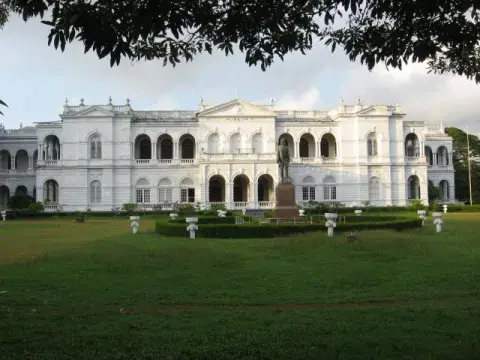
Colombo is the Capitol city InSrilanka.The meaning of Colombo in Local Language [Sinhala] is 'GREEN MANGO'. it is believe that there has been a huge mango tree near entrance of old port of Colombo and people used to called COLLA AMBA [Green mango] to the area and finally whole city became Colla A...
Colombo is the Capitol city InSrilanka.The meaning of Colombo in Local Language [Sinhala] is 'GREEN MANGO'. it is believe that there has been a huge mango tree near entrance of old port of Colombo and people used to called COLLA AMBA [Green mango] to the area and finally whole city became Colla Amba. now shortly its called Colombo.how ever Colombo is a beautyful city with an old section and modern section.old section [olombo 01] is the old part of Colombo and it has many British coloneal buildings belongs to the British period.[Srilanka was governed by British from 1815 to 1948]The British devided Colombo into 15 postal areas when they ruled the country.the main commercial area was Colombo 01.
Travel Sri Lanka
Set in the Indian Ocean in South Asia, the tropical island nation of Sri Lanka has a history dating back to the birth of time. It is a place where the original soul of Buddhism still flourishes and where nature’s beauty remains abundant and unspoilt.
Set in the Indian Ocean in South Asia, the tropical island nation of Sri Lanka has a history dating back to the birth of time. It is a place where the original soul of Buddhism still flourishes and where nature’s beauty remains abundant and unspoilt.
Few places in the world can offer the traveller such a remarkable combination of stunning landscapes, pristine beaches, captivating cultural heritage and unique experiences within such a compact location. Within a mere area of65, 610 kilometres lie 8 UNESCO World Heritage Sites, 1,330 kilometres of coastline - much of it pristine beach - 15 national parks showcasing an abundance of wildlife, nearly 500,000 acres of lush tea estates, 250 acres of botanical gardens, 350 waterfalls, 25,000 water bodies, to a culture that extends back to over 2,500 years.
This is an island of magical proportions, once known as Serendib, Taprobane, the Pearl of the Indian Ocean, and Ceylon.
Sri Lanka is one of the leading romantic destinations in the whole world. The land of serendipity brings spiritual tranquility and a chance to rediscover oneself. The beauty of this tiny island is simply breath-taking. Known for its enchanting ancient ruins, endless soft-sanded beaches, imposing mountains, colorful festivals, tempting water sports, dense wild-life, diverse ethnical groups and off the top hospitality from the local residents Sri Lanka is bound to make you come back again. Sri Lanka Travel and Tourism brings all this for you right under your fingertips so that you can discover the serene island for yourself.