Power Station of Art

Power Station of Art


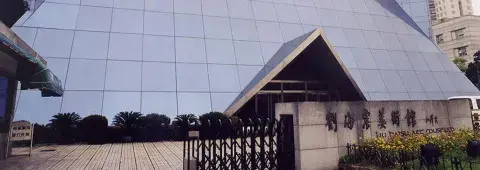
Established on Oct. 1st, 2012, the Power Station of Art (PSA) is the first state-run museum dedicated to contemporary art in mainland China. It is also home to the Shanghai Biennale.

Standing tall by Shanghai’s mother river, the Huangpu River...

Power Station of Art


Established on Oct. 1st, 2012, the Power Station of Art (PSA) is the first state-run museum dedicated to contemporary art in mainland China. It is also home to the Shanghai Biennale.

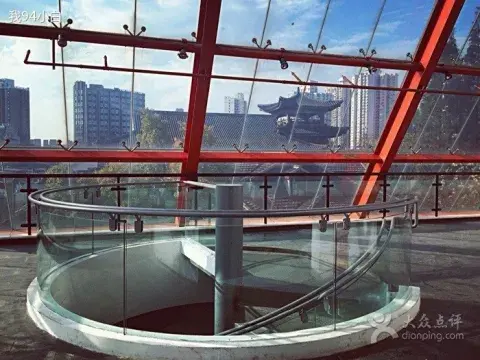
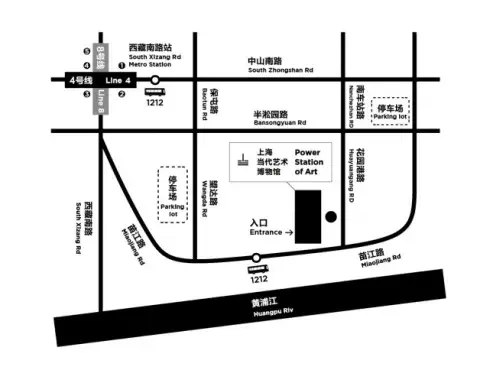
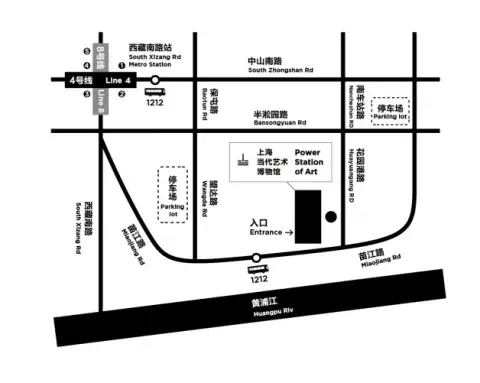
Standing tall by Shanghai’s mother river, the Huangpu River, PSA now occupies an area of 42-thousand square meters. With an internal height of 27 meters, the museum now houses exhibition sections that add up to 15-thousand square meters, and its 165-meter chimney, being an independent exhibition space, has also become an integral part of Shanghai’s world-famous skyline.

Renovated from the former Nanshi Power Plant, PSA was once the Pavilion of Future during the 2010 Shanghai World Expo. The museum has not only witnessed the city’s vast changes from the industry age to the IT era, but also provided a rich source of inspirations for artists with its simple yet straightforward architectural styles.

And as Shanghai’s generator for its new urban culture, PSA regards non-stopping innovation and progress as the key to its long-term vitality. The museum has been striving to provide an open platform for the public to learn and appreciate contemporary art, break the barrier between life and art, and promote cooperation and knowledge generation between different schools of art and culture.

Power Station of Art

Power Station of Art


Established on Oct. 1st, 2012, the Power Station of Art (PSA) is the first state-run museum dedicated to contemporary art in mainland China. It is also home to the Shanghai Biennale.

Standing tall by Shanghai’s mother river, the Huangpu...

Power Station of Art


Established on Oct. 1st, 2012, the Power Station of Art (PSA) is the first state-run museum dedicated to contemporary art in mainland China. It is also home to the Shanghai Biennale.

Standing tall by Shanghai’s mother river, the Huangpu River, PSA now occupies an area of 42-thousand square meters. With an internal height of 27 meters, the museum now houses exhibition sections that add up to 15-thousand square meters, and its 165-meter chimney, being an independent exhibition space, has also become an integral part of Shanghai’s world-famous skyline.

Renovated from the former Nanshi Power Plant, PSA was once the Pavilion of Future during the 2010 Shanghai World Expo. The museum has not only witnessed the city’s vast changes from the industry age to the IT era, but also provided a rich source of inspirations for artists with its simple yet straightforward architectural styles.

And as Shanghai’s generator for its new urban culture, PSA regards non-stopping innovation and progress as the key to its long-term vitality. The museum has been striving to provide an open platform for the public to learn and appreciate contemporary art, break the barrier between life and art, and promote cooperation and knowledge generation between different schools of art and culture.

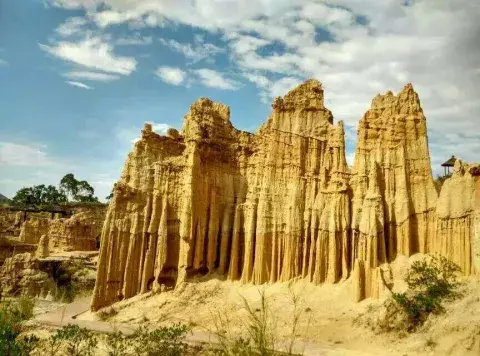
The clay forest in Yuanmou

There are many earth forest in Yuanmou China but so far only 2 of them have been developed for tourism. Wumao Tulin is located in Wumao village about 45 minutes from Yuanmou bus station and cost 7 yuan for the bus ticket. 

Like those natural land formations. It is sandy and clay like...

There are many earth forest in Yuanmou China but so far only 2 of them have been developed for tourism. Wumao Tulin is located in Wumao village about 45 minutes from Yuanmou bus station and cost 7 yuan for the bus ticket. 

Like those natural land formations. It is sandy and clay like. Area is huge and need at least 2-3 hours to admire the beautiful scenery. It is not so touristy as the Stone Forest. AAAA attraction, must see! Quite an easy walk with pavements and some steps. Not suitable for wheelchair. Must bring along water, sun hat, umbrella etc. Slap on more moisturizer and sun block, it's very dry.


The other earth forest called Langbapu Tulin or Xinhua Tulin which located in Langbapu village about 90 minutes from Yuanmou bus station. Only one bus go directly to Langbapu which departure on 14.20 everyday and will return to Yuanmou the next morning at 7.30. The bus fare is 12 Yuan. If you miss the direct bus, you still can take other bus going to Xin Hua and find other transportation for Langbapu but for sure it must be more costly.

These are the amazing places that you have to go. It is so amazing, fantastic and spectacular. For the entrance fee 80 yuan for Wumao Tulin and 70 Yuan for Langbapu Tulin or you might buy a direct ticket for both earth forest at 100 Yuan which save you 50 Yuan for the entire trip.

For accomodation in Wumao, there are few hostel around the scenic area and one hotel in the scenic area. I stayed at the Tulin Youth Hostel at 30 yuan per pax in the 3 beds dormitory. The location is just in front of the earth forest, the room is quite clean with free drinking water and air condition, but the bath room and toilet is extremely poor. The Tulin hotel is quite expensive at 180 yuan per night, you might choose the other hostel which cost you 60 yuan for single bed room.

In Langbapu, the Langbapu Tulin Hostel is located inside the scenic area. The room rate is 180 Yuan for a twin beds room. I highly recommend you stay in this hostel and you can have both sunset at the first evening and sunrise at the next morning. There are few home stay at the Langbapu village but you might have to walk about few hundred meters from the entrance of Lanbapu Tulin.

Best Time to go : November to May, and dont go at June - October because rainy days.

Transportasion : ( 1 ) Take the train K146 which departure from Kunming Station at 16.50 and arrive Yuanmou Station at 21.15. ( 2 ) Take a bus from Yuanmou bus station to the scenic area at the next day.