Vietnam Attractions



Vietnam Articles
Vietnam: Banks & Money
Money:...
Money:
The official currency in Vietnam is Dong. The Dong is non-convertible and in summer 2013 trades at approximately 21,000 to USD. You can use thewebsite of Vietcombank to see the daily exchange rate. The U S dollar, preferably crisp clean bills, is widely accepted among major shops and restaurants. The downside to this is that the prices will be converted from Dong at the vendor's chosen exchange rate, which may or may not be close to the official exchange rate, and will be rounded up to the nearest USD, making it more expensive than the cost in Dong.
It is illegal to list prices or ask for payment in any currency that is not the Dong.
The Euro, Pound and various other currencies are also easy to exchange. If you intend to exchange your home currency for Dong, ensure your notes are clean and undamaged, as banks and other exchanges will not accept any notes which are torn, excessively crumpled or have writing on them. Visa and Master card are becoming more accepted in many of the bigger hotels and restaurants, especially in the larger cities with usually a surcharge of 3%.
Make sure that the Vietnamese notes you receive are not torn, this is because many shops and restaurants will not accept them. Also try not to change too much money at one time, as you will end up with a large wad of notes. The largest denomination is currently 500,000 dong (approx. USD 24). Be careful, the 20,000 notes look only slightly different from the 500,000 one but the value is a big gap. Handy tip: Keep 500,000 dong notes separate from your other dong notes. Less chance of confusion then. Other paper notes are 1,000, 2,000, 5,000; 10,000, 20,000, 50,000, 100,000 and 200,000 Dong. Most are clearly identifiable by colour.
When you are agreeing prices with Taxi drivers or shops, always use Dong to save arguments later about the exchange rate you were expecting. While most will use the official rate of the nationals banks, some do try to argue differently. Always double check the conversion rate you have been offered.
Also with such high denominations of note, be careful of common scams run by street sellers where you are short changed by a factor of ten (eg as part of your change, you may receive five 2000 dong notes as "100,000 VND!").
Outside Vietnam the Dong is normally not accepted (excluding Cambodia and Laos), so before leaving the country remember to exchange any Dong left. In Saigon airport you can change before immigration at two bank booth that use the standard rate plus 2% fee. After immigration there are two more small booths that charge no fee, no receipt and standard rate. On arrival there are two exchange booth with a normal exchange rate and a bunch of ATMs outside turning righ.
Banking:
There are a number of international banks operating in both Hanoi and Ho Chi Minh City with 24hour cash withdrawal facilities. Most ATMs enables you to get cash from VISA, MASTER CARD, Cirrus, Maestro, Plus and JCB network.
Under Vietnamese law, ATM may only dispense cash in Vietnamese Dong. Current amounts that can be withdrawn at any one time is usually very low, 2,000,000 Dong with an additional usage charge variable from 30.000d up. On March 2014 the situation is getting worse particularly for debit card using MasterCard circuit (Cirrus, Maestro), while Visa debit is accepted by more ATMs. Banks are increasing fee against foreign debit cards, both Techcombank and Vietinbank charge 55.000d (the last even without showing the amount, just a generic message "There will be fees"). Avoid both, use SCB.
In HCM City the best choise is still (March 2014) Commonwealth Bank (Australia) with zero fee and a max limit of 8.000.000d, 4 ATMs around Bui Vien St, no plan to extend the net ouside HCMC.
ANZ has the max payout so far, around 10.000.000 with a 100.000 fee (5,000,000 costs 40,000 fee) in one hit, followed by HSBC with a max of 4,800,000 Dong but with 100.000d fees. Citibank ATM at HCM Airport permits withdrawals of 8,500,000 Dong. Donga can go up to 5.000.000 Dong but it only accepts card from the Visa circuit, no MasterCard.
There is nothing to stop you putting your card back in to get more money out, but remember you are still subject to your own bank's daily cash withdrawal limits, about 500E for Maestro/MasterCard network in Europe, and you pay your bank fee every time. Also, ensure you tell your bank before travelling to Vietnam if you intend to use your card to withdraw cash from ATM's. The machines here use the magnetic strip not the more secure chip technology.
Note for Australians: Stored value cards where you preload with one or more foreign currencies are generally poor value. To make up for "no fees", they generally offer a poor exchange rate. Getting any unused funds back once you're home may also be difficult. You can benefit if the exchange rate drops dramatically after you have loaded the card, but it could also go the other way.
Two cards available to Australians are the Citibank Plus visa debit card, which uses your own funds, and the 28Degrees MasterCard, which is a credit card (and which from Jan 1 2014 will charge hefty fees for cash withdrawals even for cards which are in credit). Both have no foreign exchange fees and one of the best exchange rates you'll get. The 28Degrees card was the Choice Magazine "Travel Card of 2012".
Note for Italy: Only one fee free debit card exist, CheBanca (Maestro/MasterCard), zero fee, zero cost, standard MasterCard exchange rate but like other MC card limited support in Vietnam.
#hochiminhprivatetour #saigonprivatetour #hochiminhlocalguide
Museums in Ho Chi Minh City
HCM city has 11 museums.
...HCM city has 11 museums.
One of most exciting is the Museum of Vietnamese History. It is a museum showcasing Vietnam's history with exhibits from all periods( 300.000 years ago until 1930) and many cultures existed in the South of Vietnam. The Museum of Vietnamese History was built by a French named Delaval in 1927. It is located in number 2, Nguyen Binh Khiem street, Ben Nghe ward, district 1, inside the city zoo. With just 15.000VND for the entrance ticket, you will have a chance to see many amazing things.
Beside that, there are also water puppet shows (50.000vnd / person), coffee shop and sovenir shop inside the museum. The Museum is opened from Tuesday-Sunday from 8a.m to 5p.m. Have a look of this Museum when you visit HCM city and enjoy.
#hochiminhprivatetour #saigonprivatetour #hochiminhlocalguide
Ho Chi Minh Specialty: Bun Bo Hue
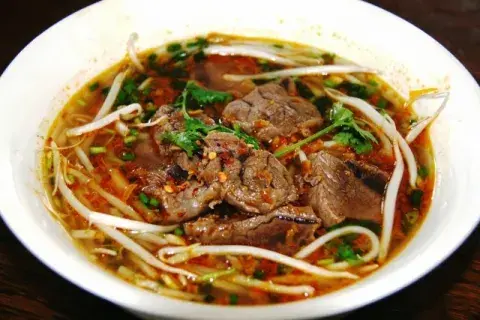
I will introduce to you a very popular noddle soup of Viet Nam, BUN BO HUE. This is also my favorite Vietnamese cuisine. We usually have it for breakfast....
I will introduce to you a very popular noddle soup of Viet Nam, BUN BO HUE. This is also my favorite Vietnamese cuisine. We usually have it for breakfast.
You can see the origin of this cuisine in its name, Hue, which is an ancient city in the middle of Viet Nam. The dish contains rice vermicelli and beef. Bun means rice vermicelli and Bo means beef. Its special flavour is a perfect combination of fermented shrimp sauce (especially Hue shrimp sauce), lemongrass, pineapple and of course, beef. Some people just simply use sugar and may skip the pineapple but that is one of the most vital spices. The sweet flavour from sugar is not strong and pleasant enough.
Bun Bo Hue is commonly served with a bunch of vegetables (thinly sliced water spinach, banana blossom,mint, basil, etc)
A bowl of Bun Bo Hue normally costs 25,000vnd-30,000vnd. In Sai Gon, the popular brand for this cuisine is “Bun Bo Song Huong”.
Enjoy!
#hochiminhprivatetour #saigonprivatetour #hochiminhlocalguide
Top Vietnam Tours
$60 Per Day
Sapa Tour, 2 Days 3 Nights
Sapa Trekking Tour (2 Days/ 3 Nights)
...Read moreSapa Trekking Tour (2 Days/ 3 Nights)
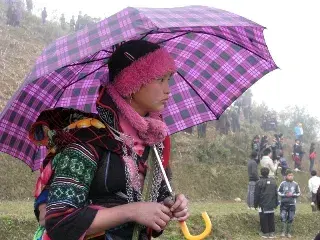
Sapa is imagined as a small paradise, unspoiled yet incredibly brilliant site nestling among greenery mountainous region of the Northwest Vietnam. Visitors traveling to Sapa are not only impressed by the fresh air, the beauty of natural scenery and the famous tourist spots here, but also by rich cultures of various ethnic minorities such as Hmong, Dao, Tay, Day and Xa Pho.
Visitor to Sapa in summer can feel the climate of four seasons in one day. In the morning and afternoon, it is cool like the weather of spring and autumn. At noon, it is as sunny and cloudless as the weather of summer. And it is cold in the evening. With no advance warning of a thunderstorm short and heavy rains may come at noon on any summer day. Subsequently, a rainbow appears, transforming Sapa into a magic land, which for years has been a constant source of poetic inspiration, lights up the whole region.
The first thing you notice when approaching the resort town are some detached wooden mansions and villas perched on a hill top or hillside, behind thick pine forests and almost invisible on this foggy morning. Old and new villas with red roofs now appear and now disappear in the green rows of pomu trees, bringing the town the beauty of European towns.
Sapa tour Vietnam
The best time to witness the scenic beauty of Sapa is in April and May. Before that period, the weather might be cold and foggy; after that period is the rainy season. In April and May, Sapa is blooming with flowers and green pastures. The clouds that settle in the valley in early morning quickly disappear into thin air.
Sapa has many natural sites such as Ham Rong Mountain, Silver Waterfall, Rattan Bridge, Bamboo Forest and Ta Phin Cave.Sapa is also the starting point for many climbers and scientists who want to reach the top of Fansipan Mountain, the highest mountain in Vietnam at 3,143m. Hoang Lien Mountain Range is also called the Alps of the North Sea area since Fansipan Mountain is not only the highest peak in Vietnam, but also in the Indochina Peninsula. The pyramid-shaped mountain is covered with clouds all year round and temperatures often drop below zero, especially at high elevations.
Sapa is home to various families of flowers of captivating colours, which can be found nowhere else in the country. When Tet, the Lunar New Year Festival, comes, the whole township of Sapa is filled with the pink colour of peach blossom brought from the vast forests of peach just outside the town. Sapa is regarded as the kingdom of orchids. Here, orchid lovers are even amazed by the choice, when trekking in the forest filled with several hundred kinds of orchids of brilliant colours and fantastic shapes, such as Orchid Princess, Orchid of My Fair Lady's Shoe. Some orchids are named after lovely singing birds such as the canary, salangane's nest, and more.
Sapa is most beautiful in spring. Apricot, plum and cherry flowers are splendidly beautiful. Markets are crowded and merry, and are especially attractive to visitors. Minority groups come here to exchange and trade goods and products. Market sessions are also a chance for locals to promenade and young men and women in colorful costumes to meet, date or seek sweethearts. Visitors to Sapa will have opportunities to discover the unique customs of the local residents.
Itinerary
Night 1: Hanoi – Night train to Sapa
VTC’s bus and staff pick you up at your hotel or VTC’s office at around 19:30-20:00 then transfer to Hanoi Railway Station for the night train to Sapa. Overnight on the train.
Day 1: Lao Cai – Cat Cat Village - Sapa (B/L/D)
05:30-06:00 Arrive at Lao Cai railway station early in the morning then transfer to Sapa hour), home to numerous colorful hill tribes (Black H'mong, Flower H'mong, Red Dao) and to Vietnam’s highest peak: Mount Fansipan.
After breakfast, relax at the hotel till 09:00 – 9:30. Our guide pick up you to the villages of the H’mong called Cat Cat. Cat Cat Village possesses many imposing waterfalls and also is home to the water hydropower construction built under French rule. Return to Sapa and have lunch in restaurant. Discover the charming Sapa Town, Sapa market and Ham Rong at your own program in the afternoon. Dinner in warmly atmosphere of your hotel. Stay overnight in three-star hotel.
Day 2: Sapa – Lao Chai Village - Ta Van Village - Night train to Hanoi (B/L/D)
09:00-09:30 We embark on a lovely walking tour to the hill tribe villages of Lao Chai and Ta Van, home of the H'Mong and Dzay hill tribe minority people. As we walk to the villages nestled in the valley below Sapa we will meet some of the local minority people on their way to and from Sapa. Here we have the opportunity to share cultural experiences with families that live in the area. Have lunch en route or at a local family
14:00 Travel back to Sapa Town. Free at your own program untill 16:00
16:30-17:00 Transfer to Lao Cai train station. Have dinner in Hai Nhi restaurant near the train station before getting on the night train back to Ha Noi. End of services!
Inclusion:
- Transportation upon itinerary.
- English speaking guide.
- Sightseeing fee.
- Meals as mentioned in itinerary.
- Homestay for 01 night.
Exclusion:
- Round-trip train ticket Hanoi - Laocai.
- Drinks during meals.
- Personal spendings.
- Insurance. Tip.
$45 Per Day
My Son a destination of an ancient culture was lost.
Champa culture had great influences on Vietnam’s cultural values of significance.
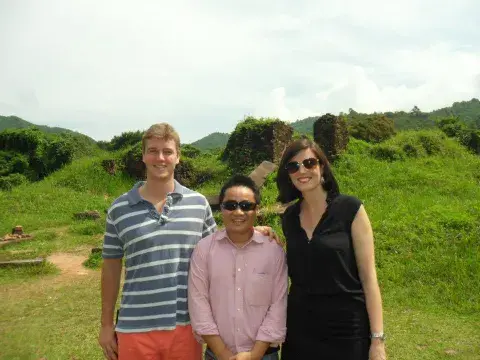
My Son hollyland is a UNESCO wowrld heritage site. My Son valley is 50 km southest of HoiAn,as Angkor Wat in Cambodia,Borrobubur in Indonesia and Pagan in Myanmar.
The once capital of Champa Kingdom from 4th to 15th century was“Thánh địa Mỹ Sơn”, ...Read more
Champa culture had great influences on Vietnam’s cultural values of significance.
My Son hollyland is a UNESCO wowrld heritage site. My Son valley is 50 km southest of HoiAn,as Angkor Wat in Cambodia,Borrobubur in Indonesia and Pagan in Myanmar.
The once capital of Champa Kingdom from 4th to 15th century was“Thánh địa Mỹ Sơn”,
Mỹ Sơn became centre for spirituality and worship during the reign of the Champa Kingdom. Exemplifying the height of Cham architectural achievement, The Mỹ Sơn Sanctuary is a large complex of religious monuments originally consisting of more than 70 structures; the vestiges of 25 of which remain today. The builders of Mỹ Sơn were the nobility of the Champa Kingdom who derived their cultural and spiritual influences
almost exclusively from India.
Put a tour from Hoi An to see the beautifuls of two Unesco world heritage sites is your choice.Why not?
Tour itinerary:
08:00 Departure from Hoi An to My Son holly land
09:30 Visit to My Son holly land
11:00 Back to Cau Lau bridge at the dock
11:20 Enjoy an excursion on the Thu Bon river by boat
12:20 Back to Hoi An dock .and back to hotel by car.
Includes:
Transportation(private car)
Entrance fees
Boat
Mineral water
$110 Per Day
HO CHI MINH CITY-ONE DAY TOUR : Learning about the history, culture and economy of this city
Introduction...Read more
Introduction
In 1976, When Vietnam became a unified country.Saigon was renamed Ho Chi Minh city. Nowadays, Ho Chi Minh city is the biggest center for commerce, economics and education in Vietnam. In the city center, There are a lot of high rise building next to French colonial style houses. China Town merged into Saigon has become the biggest wholesale site in the South Vietnam since 1930. Ho Chi Minh city's population is over 8 million people and 2 million people come from many different regions in Vietnam. You can see many means of transportation in the street .The city is crowded with a huge amount of motobikes in the rush hour. Joining this tour , you not only see what I have told you , but also learn about the history and culture of this city
140 US$/1 person , 170 US$/2 people, 200S$/3 people, 230/4 people
*Note: I listed the tour prices for 1 person to 4 people , In case your private group is over 4 people , please let me know and I will provide you with the tour prices for 5 people or more
Itinerary:
In the morning, driver and tour guide will pick you up in Ho Chi Minh city, then take you around the city and drop you some places:
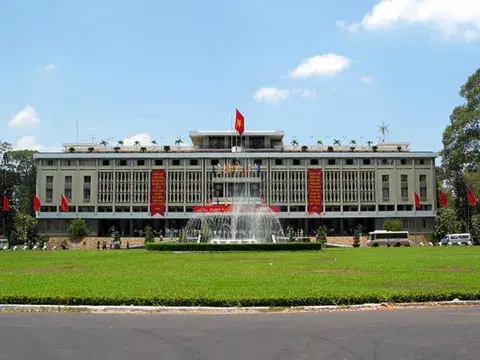
•The Unification Palace(Presidential Palace during vietnam war(1960-1975)
•Thien Hau temple built by Cantonese : It is dedicated to the Goddess of the Sea
• China Town : the busiest and biggest wholesale market in South Vietnam.
•Have lunch with Vietnamese food in local restaurant.
*After lunch, we visit some places:
The War museun: you learn about Vietnam War through the figures , weapons, photos
The French Quarter : There are many works such as the Post Office , Notre Dame Cathedral, Opera House, City Hall,etc…, with magnificient architectual style.
Ben Thanh market built by the French between 1912 and 1914 , a symbol of old and new saigon.
What's Included:
•English speaking Tour Guide
•Means of Transportation(Car or 16 seater minibus)
•Mineral water , Wet tissue.
•Lunch(set menu with Vietnamese food)at local restaurant
•Entrance fee
What's Extra:
_Personal Expenses.
_Shopping
_travel insurance