Vietnam Attractions
Ban Gioc Waterfall
Ban Gioc waterfall is invaluable gift granted to Cao Bang by the nature. It is regarded as the most beautiful waterfall of Vietnam. It is situated in Dam Thuy Commune, Trung Khanh District, 89 kilometers north of Cao Bang Town along Provincial Road 206 and 26 kilometers from the Chinese town of T...
Ban Gioc waterfall is invaluable gift granted to Cao Bang by the nature. It is regarded as the most beautiful waterfall of Vietnam. It is situated in Dam Thuy Commune, Trung Khanh District, 89 kilometers north of Cao Bang Town along Provincial Road 206 and 26 kilometers from the Chinese town of Trung Khanh). The waterfall originates from Quay Son River (China) and downstream flows back to China. On the Viet Nam side, the river has a picturesque scenery, fresh environment with grass cover, evergreen forest, bobbing white clouds mingling with the peaceful atmosphere of villages of mountainous ethnic minorities. On the other side is the neighboring nation of China.
With a height of 53 meters and a width of 300 meters, the waterfall is divided into 3 layers consisting of 12px and 15px upper flows. 15px water blocks fall into limestone steps, making a curtain of white sprays. Far from the waterfall, visitors can hear the roaring of waterfall resounding through a 15px area. Rising from middle of the waterfall is a 15px water mound covered with trees, splitting the river into three white silk strips. On hot summer days, it is still cool here. Every early morning, the sun shines through steam creating a sparkling rainbow.
With the splendid natural beauty, the waterfall of Ban Gioc is becoming Cao Bang’s biggest tourist attraction.


Vietnam Articles
Where to visit in Ho Chi Minh City
Hello Travelers;
...Hello Travelers;
If it’s your first time to Ho Chi Minh City then you should not limit yourself to just seeing the best, beauty places in Ho Chi Minh City: War Musium,Jade Emperor Pagoda ,The French Quarter: Notre Dame Cethedral, Central Post Office , China town, Ben Thanh Market…
I hope you enjoy your time here in Ho Chi Minh City.

Travel to Danang, Hoi An and Hue for 1 week
I and my wife spent a week in Central Vietnam for visiting UNESCO World Heritage such as Hoi An Ancient Town, Hue Forbidden Imperial city and Myson Holly-land. We stayed in Hue for 2 nights and the rest in Hoi An....
I and my wife spent a week in Central Vietnam for visiting UNESCO World Heritage such as Hoi An Ancient Town, Hue Forbidden Imperial city and Myson Holly-land. We stayed in Hue for 2 nights and the rest in Hoi An. We did schedule our plan as below for our trip in Central Coast Vietnam for a week:
Day 1 Danang international airport arrival – transferred by private car to Hoi An
Day 2 Hoi An free walking exploring the old town
Day 3 Hoi An to Hue by private car day tour over Hai Van Pass
Day 4 Hue Imperial City with sightseeing group tour
Day 5 Hue walking around center and take a train to Danang, Hoi An
Day 6 Hoi An Myson day trip
Day 7 Shopping, tailor made, transfer to Danang international airport flight home.
First thing we should arrange in advance is hotel accommodation. We had tried to book room on booking.com, agoda.com… but it’s very hard for us to find out the best hotel suitable to our budget because there hundreds of hotels in Hoi An is same same. We couldn’t compare which one was better. We had to post for help on Travel Advisor travel forum and waiting for other travelers experience sharing. But luckily we found on search google with hotel option from a local website feature out most useful hotel information and price so we easily decided which one quickly.
We stayed in Like Hotel (Former was Thanh Van 2 Hotel) for 2 nights. it’s a standard hotel not right in center of the town but 10’ walking to the town was ok for us. Room was $30.00 for us with daily buffet breakfast and free swimming pool, internet free.
The rest time in Hoi An we stayed at Phu Thinh Boutique Resort for relax. It’s nice boutique hotel, swimming pool, outdoor buffet restaurant for breakfast with a large room costed $45.00.
The second things we think of was transportation for our trip in Central Vietnam. We were recommended by a friend who had been in Hoi An before to use Hoi An Private Car transfer service. As my friend said, they were very promptly response our email request and offered us really competitive price for our transport service.
Our driver from Hoi An Private Car for our private car transfer during our trip in Central Vietnam
Our driver from Hoi An Private Car transfer during our trip in Central Vietnam
They quoted for Danang international airport transfer to our hotel in Hoi An is $18.00. Cost for transport by private car with English speaking driver to Hue was $56.00 (Of course included stop some highlights on the way such as China Beach, Marble Mountains, Hai Van pass, Lang Co beach and the lagoon. We were interested stopping at Elephant Spring but not enough time)
We decided to walk around the town not join for group or private tour. The entrance fee in Hoi An was 120,000vnd ~ $6.00 for adult. They will ask you for entrance ticket every time so should keep it during your time of walking inside the old town. If you stay couple days in Hoi An and could be visit the old town not only one time you can keep your entrance tickets for your staying in Hoi An. Because most of the shopping center, restaurants were in the old town, so we were sure that you would go to it not only one time during your stay in Hoi An.
Our third day staying in Central Vietnam, we transferred to Hue Imperial city by private car from Hoi An Private Car Company. The driver was welcome us at hotel lobby then transfer to Hue city. Our trip took around 6 hours driving included the time stopping at China Beach. It’s very nice beach in Danang city. We didn’t have time to swim here but we wish to do it if we were advised before. You could prepare towels and ask driver for swimming here.
Next, we stop for hiking at Marble Mountains for visiting the highlight of Danang city. Marble Mountain was worth a stop. Named after the ancient oriental philosophy including 5 elements creating universe: metal, wood, water, fire and earth, it is a series of caves and temples atop a large mountain. No need to see them all if you don’t have time — there are a number of access points depending on your interests. AND a lot of stairs if you don’t choose the elevator access point :) We spent about 1.5 hours here and visiting two caves, a temple and a pagoda.
Hai Van Pass is the real winner on this tour. An amazing drive and stop at the top of the pass were we were rewarded by fantastic views and also a visit to some war monuments.
Our last stop at Lang Co beach for short break and walk along the beach before transferring to our hotel in Hue city – New Star Hotel – $30 per night with daily buffet breakfast and free use swimming pool.
The fourth day we though of way exploring with our own but in the end joined in Hue deluxe group tour booked from hotel. Cost was $39.00 included English speaking tour guide, minivan (maximum 8 persons on van), Vietnamese lunch, all sightseeing entrance fees. We found Hue’s entrance fees were the most expensive in Vietnam: Imperial citadel: $7.5, Royal tomb $5 for each. Your day tour you could spend nearly $22.5 for entrance fees while other place in Vietnam on average was $5. But it’s ok for us. Pay one time in your life for learning Hue and Vietnam history was worth. And it’s true. The landscapes and Hue sightseeing were fabulous and worth our money. It’s very interesting trip.
Hue was also famous for food tour and Imperial cuisine but we just spent our time for Hue local food along the streets. Ask your hotel receptionist for it, they could be your trust local guide to show what to try local food during your stay at each places in Vietnam.
You can spent time for a walk at night market along Le Loi Street – opposite to Morin Hotel, it’s along Perfume River you could find it easily. We didn’t buy anything here because they were not attract us much so we thought should do it once back to Hoi An.
The last day staying in Hue, we didn’t want to take private car transfer back on the same way to Hoi An. So we decided go to Danang by train then connect to Hoi An by private taxi transfer company.
Train tickets costed around $4 for each – soft seat with air-conditioning on train (It’s so cheap right?). It took three hours from Hue to Danang train station. You can choose from time schedule at 8:30am, 10:30, 12:30 or 20:00. We took a day train for make sure got a stunning view from train over Hai Van Pass as many posts at travel forum.
Half of the way, choose the best location on train to make sure you got a great photo for your trip. To get these nice pictures below I had to stay in toilet for a hour waiting for the views. The train would go through at least 7 tunnels so be careful your camera during taking photo from train’s window.
Foods and drinks on train were available for you so do not worry for it when traveling on train. But for your convenience, you should prepare some snacks in your bag was better. Because most of them were double cost from outside.
After nearly 3 hours, we finally arrived at Danang train station. Our driver was welcoming us with welcome board at arrival gate then smoothly transfer to Hoi An for check in Phu Thinh Boutique hotel in in about 40 minutes.
We spent the rest time of the day at swimming pool after train journey transferring. Hoi An by night was lovely way to walk around and taste the foods.
The next day, we traveled to Myson ruined temples – World Heritage Site near Hoi An Old Town to learn about Champ Kingdom and its history in Central Vietnam. The trip was wonderful running by Hoi An Private Car. The tour guide Mr Bin was informative, knowledgeable and extremely helpful to answer all our questions during our trip. We did a 5 stars review on trip advisor for them after trip end.
We didn’t book private package tour. Just ask them to arrange private car suite your group and ask them arrange a good English speaking tour guide to save your cost. We paid entrance for our own for $7.5 for each (before was $5, it’s just increasing to $7.5 from 1st Jul 2015)
Our 1 week trip finally has gone smoothly, we spent the last day for shopping some souvenirs for our friends in Hoi An. We also made tailors at BeBe Shop and it was perfect. It’s $90 for a suites. The tour guide explained to us the quality was the same but big silk companies they would charge higher because they would pay more fees the company to manufacture the same product.
HUE TO HOIAN BY PRIVATE CAR NEW EXPERIENCE
After running Hoi An Private Car for couple years, our team has received many requests for travel from Hoi An to Hue and versa on new route....
After running Hoi An Private Car for couple years, our team has received many requests for travel from Hoi An to Hue and versa on new route. This need bases on some travelers who stay in Hoi An longer and would love traveling to Hue Imperial city for a glimpse then back to Hoi An after a day. So they don’t want to travel on the same road while they pay the same money but no new experience. Catch up this idea and travelers’ needs, Hoi An Private Car offers new Hoi An private tour to Hue on new itinerary.
Morning, our driver is ready at your hotel lobby, starting to Hue city on coastline road. First stop at Phu Dien town-let for a quick look and photo of Phu Dien Tower – A historical Cham Tower was built from 8th Century. It’s covered under the sand for a long time.
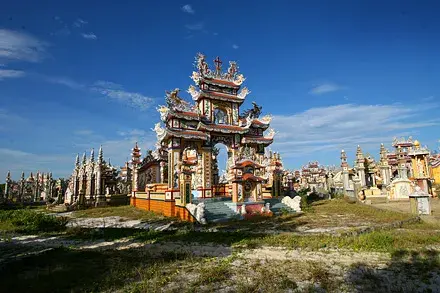
Continue driving on coastline road on No 49 road we will stop at An Bang Cemetery – The Death City – A special village in Hue city, Vietnam for spending thousands of thousands dollars just to build their grand parent’s tomb. Some looks very luxury and can compare with Royal Tombs of the Nguyen Emperors.
We stop at Loc Binh beach for swimming. It’s a new beach in Hue city and it’s nearly untouched places because no tourist at all there. You can ask our driver contact with some local family here to prepare fresh seafood lunch if you are interested in it.
Continue driving through Laguna Resort, Chan May seaport via countryside road, we connect to the highway 1 – the main transportation route of Vietnam. Stop at Lang Co Beach, Hai Van Tunnels, Fishing Village at Cau Hai lagoon, Marble Mountains. End trip at your hotel in Hoi An.
Top Vietnam Tours
$60 Per Day
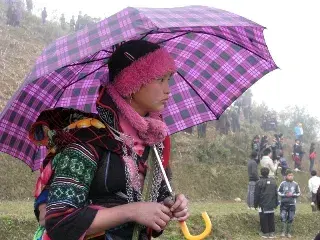
Sapa Tour, 2 Days 3 Nights
Sapa Trekking Tour (2 Days/ 3 Nights)
...Read moreSapa Trekking Tour (2 Days/ 3 Nights)
Sapa is imagined as a small paradise, unspoiled yet incredibly brilliant site nestling among greenery mountainous region of the Northwest Vietnam. Visitors traveling to Sapa are not only impressed by the fresh air, the beauty of natural scenery and the famous tourist spots here, but also by rich cultures of various ethnic minorities such as Hmong, Dao, Tay, Day and Xa Pho.
Visitor to Sapa in summer can feel the climate of four seasons in one day. In the morning and afternoon, it is cool like the weather of spring and autumn. At noon, it is as sunny and cloudless as the weather of summer. And it is cold in the evening. With no advance warning of a thunderstorm short and heavy rains may come at noon on any summer day. Subsequently, a rainbow appears, transforming Sapa into a magic land, which for years has been a constant source of poetic inspiration, lights up the whole region.
The first thing you notice when approaching the resort town are some detached wooden mansions and villas perched on a hill top or hillside, behind thick pine forests and almost invisible on this foggy morning. Old and new villas with red roofs now appear and now disappear in the green rows of pomu trees, bringing the town the beauty of European towns.
Sapa tour Vietnam
The best time to witness the scenic beauty of Sapa is in April and May. Before that period, the weather might be cold and foggy; after that period is the rainy season. In April and May, Sapa is blooming with flowers and green pastures. The clouds that settle in the valley in early morning quickly disappear into thin air.
Sapa has many natural sites such as Ham Rong Mountain, Silver Waterfall, Rattan Bridge, Bamboo Forest and Ta Phin Cave.Sapa is also the starting point for many climbers and scientists who want to reach the top of Fansipan Mountain, the highest mountain in Vietnam at 3,143m. Hoang Lien Mountain Range is also called the Alps of the North Sea area since Fansipan Mountain is not only the highest peak in Vietnam, but also in the Indochina Peninsula. The pyramid-shaped mountain is covered with clouds all year round and temperatures often drop below zero, especially at high elevations.
Sapa is home to various families of flowers of captivating colours, which can be found nowhere else in the country. When Tet, the Lunar New Year Festival, comes, the whole township of Sapa is filled with the pink colour of peach blossom brought from the vast forests of peach just outside the town. Sapa is regarded as the kingdom of orchids. Here, orchid lovers are even amazed by the choice, when trekking in the forest filled with several hundred kinds of orchids of brilliant colours and fantastic shapes, such as Orchid Princess, Orchid of My Fair Lady's Shoe. Some orchids are named after lovely singing birds such as the canary, salangane's nest, and more.
Sapa is most beautiful in spring. Apricot, plum and cherry flowers are splendidly beautiful. Markets are crowded and merry, and are especially attractive to visitors. Minority groups come here to exchange and trade goods and products. Market sessions are also a chance for locals to promenade and young men and women in colorful costumes to meet, date or seek sweethearts. Visitors to Sapa will have opportunities to discover the unique customs of the local residents.
Itinerary
Night 1: Hanoi – Night train to Sapa
VTC’s bus and staff pick you up at your hotel or VTC’s office at around 19:30-20:00 then transfer to Hanoi Railway Station for the night train to Sapa. Overnight on the train.
Day 1: Lao Cai – Cat Cat Village - Sapa (B/L/D)
05:30-06:00 Arrive at Lao Cai railway station early in the morning then transfer to Sapa hour), home to numerous colorful hill tribes (Black H'mong, Flower H'mong, Red Dao) and to Vietnam’s highest peak: Mount Fansipan.
After breakfast, relax at the hotel till 09:00 – 9:30. Our guide pick up you to the villages of the H’mong called Cat Cat. Cat Cat Village possesses many imposing waterfalls and also is home to the water hydropower construction built under French rule. Return to Sapa and have lunch in restaurant. Discover the charming Sapa Town, Sapa market and Ham Rong at your own program in the afternoon. Dinner in warmly atmosphere of your hotel. Stay overnight in three-star hotel.
Day 2: Sapa – Lao Chai Village - Ta Van Village - Night train to Hanoi (B/L/D)
09:00-09:30 We embark on a lovely walking tour to the hill tribe villages of Lao Chai and Ta Van, home of the H'Mong and Dzay hill tribe minority people. As we walk to the villages nestled in the valley below Sapa we will meet some of the local minority people on their way to and from Sapa. Here we have the opportunity to share cultural experiences with families that live in the area. Have lunch en route or at a local family
14:00 Travel back to Sapa Town. Free at your own program untill 16:00
16:30-17:00 Transfer to Lao Cai train station. Have dinner in Hai Nhi restaurant near the train station before getting on the night train back to Ha Noi. End of services!
Inclusion:
- Transportation upon itinerary.
- English speaking guide.
- Sightseeing fee.
- Meals as mentioned in itinerary.
- Homestay for 01 night.
Exclusion:
- Round-trip train ticket Hanoi - Laocai.
- Drinks during meals.
- Personal spendings.
- Insurance. Tip.
$1745 Per Day
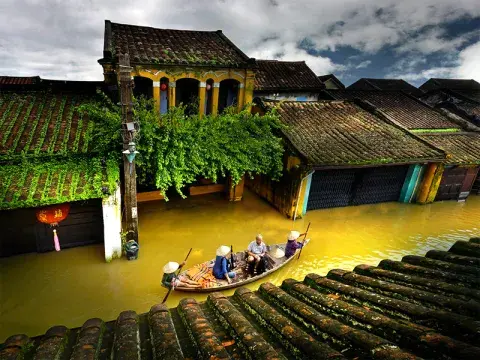
THE WONDERS OF VIETNAM
Day 1: Arrival – Ho Chi Minh...Read more
Day 1: Arrival – Ho Chi Minh
Arrive in Ho Chi Minh. Meet and transfer to the hotel. Afternoon city tour to visit the Reunification Palace (the former Presidential Palace) and War Remnants Museum, followed by the Central Post Office; then have a short walk along the shopping Dong Khoi Street (former Rue Catinat) from Notre Dame Cathedral to the Municipal Theater. Drive to bustling Cho Lon (Chinatown) and then stop by a hand embroidery workshop. Enjoy an water puppet show, a theatrical gene reflecting the agricultural civilization of thousand years ago. Overnight in Ho Chi Minh.
Day 2: Ho Chi Minh – Tay Ninh – Cu Chi – Ho Chi Minh (L, D)
Breakfast at the hotel. Transfer to Tay Ninh, 100km North of HCMC, center of the Cao Dai religion founded in 1926, a combination of Buddhism, Christianity, Taoism and Confucianism. Visit Cao Dai Holy See for the daily noontide ceremony with hundreds of worshippers attired in lively red, yellow, blue and white and chanting religious hymns. In the afternoon drive to Cu Chi Underground Tunnels. This must-see site is famous for its elaborate network of over 200km of three-story underground tunnels hand-dug by local people during the Vietnam War. Crawl down a tunnel to feel the underground life, and then test your marksmanship with an AK rifle at a local rifle range (optional with surcharge). Drive back to Ho Chi Minh for overnight.
Day 3: Ho Chi Minh – Cai Be – Vinh Long – Ho Chi Minh (B, L)
Breakfast at the hotel. Drive 100km to Cai Be, a riverside small town located in the Mekong Delta. Enjoy a boat cruise to the Cai Be floating market with sellers and buyers bargaining and exchanging goods from their boats. Visit local homes where the families produce the rice-paper kiln and coconut-candy kiln, and observe daily country life, and then to Binh Hoa Phuoc Islet where the maze of shady creeks will surely fascinate you. You will have a chance to mingle with local peasants, learn the secret of their bonsai gardening. A typical Vietnamese lunch at a local home will be arranged. Drive back to Ho Chi Minh for overnight.
Day 4: Ho Chi Minh – Cam Ranh – Nha Trang (B)
Breakfast at the hotel. Morning free at leisure and go shopping (ceramics, silver carvings, etc). Afternoon transfer to the airport for the afternoon flight to Cam Ranh. Arrive at Cam Ranh Airport. Pick up and overland to Nha Trang. Transfer to the hotel. Free at leisure. Overnight in Nha Trang.
Day 5: Nha Trang (B, L)
Breakfast at the hotel. Transfer to Cau Da jetty for a day cruise to Tam Islet and Mun Islet. The water is clear and the marine life is diverse for snorkeling and sunbathing. The calm sea provides an ideal location for water sports such as scuba diving, jet skiing, wind surfing and parasailing on Tam Islet (optional with surcharge). Lunch seafood is served on board. Overnight in Nha Trang.
Day 6: Nha Trang – Cam Ranh – Da Nang – Hoi An (B)
Breakfast at the hotel. Transfer to Cam Ranh Airport for the morning flight to Da Nang. Arrive at Da Nang Airport. Pick up and overland to Hoi An. Transfer to the hotel. Free at leisure. Overnight in Hoi An.
Day 7: Hoi An (B)
Breakfast at the hotel. In the morning, have a walking tour of the ancient town center. Stroll around downtown area to visit a number of temples, pagodas, communal houses, traditional shops, local markets and other places of interest and watch local daily activities, handicraftsmen at work and a lively show of traditional dancing and music. Afternoon relax on the beach or enjoy hotel facilities. Overnight in Hoi An.
Day 8: Hoi An – Da Nang – Hue (B)
Breakfast at the hotel. Depart to Hue via the Pass of Ocean Clouds and the scenic fishing village of Lang Co. Along the way stop to visit the Museum of Cham Sculpture (closed on Monday) with the World’s finest collection of some 300 Cham sculpture exhibits dating from the 7th to the 15th centuries and the stone-carving village of Non Nuoc in Da Nang City. Arrive in Hue. Transfer to the hotel. Free at leisure. Overnight in Hue.
Day 9: Hue (B)
Breakfast at the hotel. Enjoy a full day tour of Hue, a former imperial city of Vietnam ruled by 13 Nguyen dynasties. Explore the Royal Citadel, built in 1804 on a site chosen in accordance with geomancy. The tour of Imperial Citadel features Flag Tower, Noon Gate, Nine Dynastic Urns, Nine Holy Cannons, Thai Hoa Palace (Palace of Supreme Harmony), and Forbidden Purple City. Optional: royal music at Duyet Thi Duong Theater. Then, transfer to the lively Dong Ba Market by cyclo. In the afternoon, take a boat along Perfume River. Visit Thien Mu Pagoda and Hon Chen Temple. The last stop is Minh Mang’s Mausoleum. Overnight in Hue.
Day 10: Hue – Ha Noi – Bac Ninh – Ha Long (B)
Breakfast at the hotel. Transfer to the airport for the morning flight to Hanoi. Arrive in Hanoi. Transfer to Bac Ninh, a cradle of traditional culture in the Red River Delta. Visit Phu Lang ceramic village. This old pottery village is worth visiting not only because you can meet and make friends with the locals and make original gifts for friends and relatives, but its natural surroundings are also attractive. Continue driving to Dong Giao wood-carving village and the folk-painting village of Dong Ho, famous for the folk themes printed onto a special paper made from the Do tree. Then, have a short-distance drive to visit But Thap Pagoda, built in 13th century and known for its four-storey stone stupa. Arrive in Ha Long City. Transfer to the hotel. Free at leisure. Overnight on cruise.
Day 11: Ha Long – Hai Phong (B, L)
Breakfast at the hotel. Morning board a traditional-style wooden boat for a 5-hour cruise around the wondrous Ha Long Bay, a World Natural Heritage site listed by UNESCO in 1994. Enjoy the spectacular sight of magical grottoes, marvel at odd-shaped island and relax in the best scenic beauty of Vietnam. Lunch of fresh seafood is served while cruising. Afternoon overland to Hai Phong via the Du Hang Pagoda and the Hang Kenh Communal House. Arrive in Hai Phong. Transfer to the hotel. Free at leisure. Overnight in Hai Phong.
Day 12: Hai Phong – Ninh Binh – Ha Noi (B)
Breakfast at the hotel. Overland to Ninh Binh via the Bai Dinh Pagoda with the biggest bronze statue of Buddha in Vietnam, weighing 100 tons, three bronze statues featuring three tenses – Past, Present and Future – weighing 50 tons each, a largest bronze 36-ton beell and 500 white-stone Arahat statues. Continue driving to Ninh Binh. Take a sampan ride to Trang An, known as Vietnam’s “Inland Ha Long Bay”. Paddle through nine enormous caves. Then, visit the Dinh and Le dynasty temples in Hoa Lu, an ancient capital of Vietnam (968 – 1009). Arrive in Hanoi. Transfer to the hotel. Free at leisure. Overnight in Ha Noi.
Day 13: Ha Noi (B)
Breakfast at the hotel. Enjoy a morning sightseeing tour which features Hanoi’s cultural and historical highlights. Take a photo stop in front of Hochiminh Mausoleum, Ba Dinh Square, and Presidential Palace. Then, visit the Hochiminh President House and One-Pillared Pagoda. Continue to visit the Literature Temple, visit Quan Thanh Temple and Tran Quoc Pagoda. Return to Hanoi downtown through Ceramic Street. Stop at Dong Xuan Market for shopping. In the afternoon, visit to the Ethnology Museum (closed on Monday), Hanoi Opera House. Take a walk to Hoan Kiem Lake. Take photos at Hanoi Post Office, City Hall, Flower garden, Ly Thai To’ Statue. Visit St. Joseph Cathedral. Take one-hour pedicab ride around to the Old Quarters of Hanoi. Visit Bach Ma Temple and Ma May Ancient House. Last stop is at Hang Da Market. Overnight in Ha Noi.
Day 14: Ha Noi – Departure (B)
Breakfast at the hotel. Free at leisure for relax or go shopping until transfer to the airport for the departure flight. End of service.
Included:
- Accommodation 4 stars hotels with daily breakfast at specified hotels.
- Private air-conditioned transfer.
- Domestic airfares
- English or French-speaking guide service.
- All meals (without drinks) at local restaurants as specified.
- Sightseeing, admission fees, entrance and boat fees as specified
- Min quantity: 6 paxs
$65 Per Day
memories Farm Trip with Cu Chi Tunnels Tour
Amazing Farming with Cu Chi Tunnels Trip is amazing program for Person who Love the Countryside ,Love Agriculture ,Love History to discover and Understand clearly about Vietnamese Agriculture and History with Great Vietnamese Cuisine from Our Master Chef Explaining and Many recipes provide after Finish Trip
Starting in Hotel in Ho Chi Minh City at 8:00am to HCM Agricultural Villages - HCM Cooking School at 9: 00am
Visiting HCM Agricultural Villages 9:00am - 10:00am
- Visiting Buffallo ,Cows ,fish ,prawn areas...Read more
Amazing Farming with Cu Chi Tunnels Trip is amazing program for Person who Love the Countryside ,Love Agriculture ,Love History to discover and Understand clearly about Vietnamese Agriculture and History with Great Vietnamese Cuisine from Our Master Chef Explaining and Many recipes provide after Finish Trip
Starting in Hotel in Ho Chi Minh City at 8:00am to HCM Agricultural Villages - HCM Cooking School at 9: 00am
Visiting HCM Agricultural Villages 9:00am - 10:00am
- Visiting Buffallo ,Cows ,fish ,prawn areas
- Visiting Mushrooms Areas and Understanding how to make Mushrooms and Benefit of Mushrooms bring for economic and Health
- Visiting Herbs ,Spices and vegetables areas and Understanding what they use for cooking and Medicine
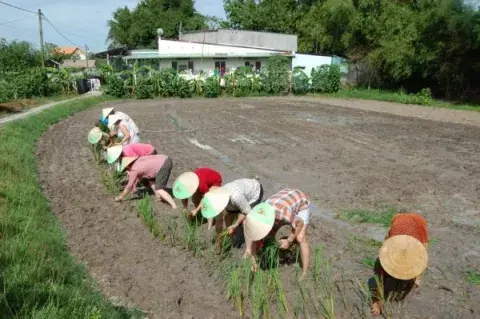
Being The Farmer on 10:00am -11:00am
Hands to Make Rice fields or growing up the garden ( give us the details which one you like and Which ingredients do you wnat to grow up if you have somne specific ? )
Lunch Time : 11:00am -1:00pm
Watching Our Master Chef doing cooking show on front of You and Enjoy what you see ( Special Menu offer if you have )
Cow Milks Time: 1:00pm -1:30pm
Visiting Cow Milks areas and Get hands to make milk from the Cow and make the cooffe Milk by Your labour
Rice Paper Villages - Rubber Tree forest 1:30pm -2:30pm
- Visiting Rice Papers Villages and Understanding how to make rice papers and what is main ingredients to make rice papers .You will be surprise to get the answer
- Visiting the Rubber Tree forest and understanding how to get the Latex and What benefit of rubber tree use for?
Exploring Cu Chi Tunnel 2:30pm -4:00pm
- Watching a presentation video
- Getting to see the tunnels and discover how these tunnels were constructed and how its habitants combat two forces: the invading troops and the tunnels itself.
- Visiting Hoang Cam's smoke-less store, secret hide-outs, fighting bunkers, and many dangerous booby traps.
- Trying gun shooting with real bullets (fees not included)
- Tasting boiled tapioca, drinking hot tea
The Trip will be The end about 5:00pm on your Hotel
Enjoy Amazing Uniques experience about Vietnamese Agriculture - Cusine - Culture - History