Fuzhou Lu
The streets running perpendicular to the Bund are named after cities such as Hankou, Suzhou, Beijing, Jinling and Nanjing. Those running parallel to the Bund are named after Provinces such as Sichuan, Henan and Shandong. These streets are thriving areas of activity each of which offers a sample...
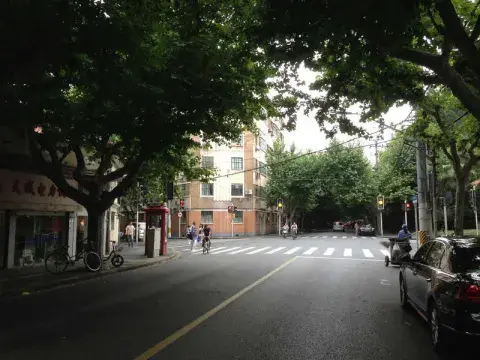
The streets running perpendicular to the Bund are named after cities such as Hankou, Suzhou, Beijing, Jinling and Nanjing. Those running parallel to the Bund are named after Provinces such as Sichuan, Henan and Shandong. These streets are thriving areas of activity each of which offers a sample of a slightly different aspect of Shanghai life. Often dwarfed by the fame of its neighboring sister street Nanjing Lu, Fuzhou Lu is an understated, underrated and often overlooked gem.
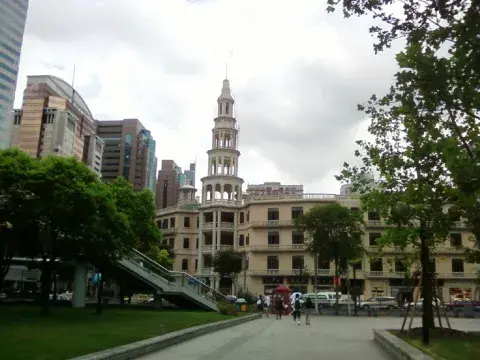
Starting from the Bund, the street runs down to Peoples Square, home of the Shanghai Museum, the Urban Exhibition Center as well as plethora of restaurants, shops and historical buildings.
At the end of the Bund, number 19 houses Ristorante Truffre, an exquisite Italian restaurant with a genuinely romantic atmosphere. With main meals at 180 RMB per plate, the restaurant is certainly at the pricier end of the pasta scale. However, Ristorante serves up authentic cuisine, and that’s the bottom line.
Further down at number 37 is the Captain Youth Hostel, a firm favorite and legend amongst budget travelers in Shanghai. The hostel’s bar, offering cut price beers and the opportunity to meet people from all walks of life, is wildly popular amongst both guests at the hostel and a loyal resident clientele. Book rooms or beds early to avoid disappointment.
At number 209 is the famous American Club. The club was host to American politicians and traders 200 years ago when Fuzhou Lu was renowned for its entertainment and hospitality.
Of course, Fuzhou Lu is now known as a cultural centre by most Shanghai residents, the reason being the street’s innumerable book stores. Travelers passing through who are itching for some new reading material should head for two large bookstores boasting a bountiful selection of English language books. At number 390 is the Foreign Language Bookstore, and at number 465 is City of Books, a gargantuan 7 floor building. Despite its size, City of Books only reserves the corner of one floor, the 7th, for English books. Therefore I much prefer the former with its three floors of foreign language titles. Go to the third floor to find modern novels and magazines such as Cosmopolitan and Hello. The first floor contains mostly souvenirs, books about China, and old classics. The City of Books, however, offers a vast collection of western music CDs that are not pirated, yet still rather affordable. Expect to pay around 25 RMB for an album.
Past the bookstores, on the left, is the Beijing Opera theater, which is well worth checking out for professional performances. Further down on the right at the end of Fuzhou Lu is the ever popular Raffles City shopping mall, and its impressive collection of retail outlets for all your shopping needs. The basement includes a Hotdog stand and a Watson’s pharmacy, the Chinese version of Boots, which stocks name brands of shampoo, toothpaste and the like. Across the road is the magnificent Peoples Square, the cultural and traffic hub of Shanghai. The square also marks the intersection of metro lines 1 and 2.
I am confident that as every person who wanders down Fuzhou Lu will find their own hidden treasures.