Capital Museum

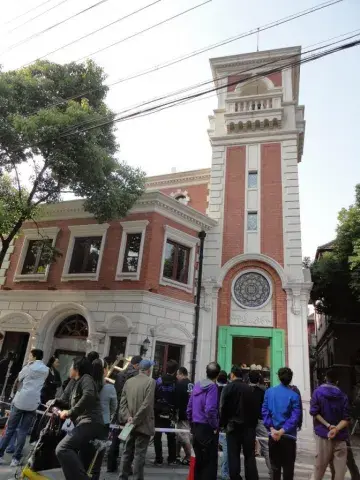
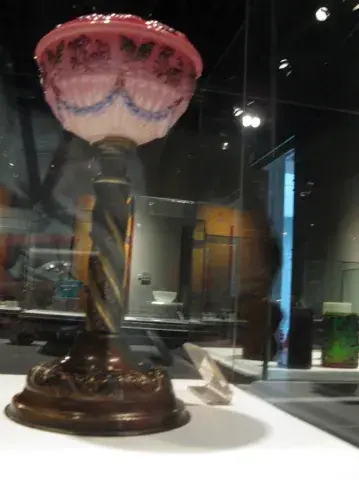
 The plan for the Capital Museum, located in the Confucius Temple, was prepared in 1953. The museum formally opened in 1981.
    As a major cultural construction project in Beijing in the “10th Five-Year Plan”, the new Capital Museum, approved by Beijin...

 The plan for the Capital Museum, located in the Confucius Temple, was prepared in 1953. The museum formally opened in 1981.
    As a major cultural construction project in Beijing in the “10th Five-Year Plan”, the new Capital Museum, approved by Beijing Municipal Government in 1999, further approved by the State Council after being submitted by the National Development and Reform Commission in 2001, finally commenced its construction in December 2001.
    Under the concern and guidance of Beijing Municipal Government, after four years of hard work, the museum finally makes its debut along the western extension of Chang’an Street, the First Street of China. With its magnificent architecture, abundant exhibitions, advanced technology and complete functions, the Capital Museum, large and modern, makes its contribution to the titles such as “famous historical and cultural city”, “cultural center” and “international metropolis” of Beijing and ranks among the first class museums both at home and abroad.

Subway: Muxidi Station, Line 1
Buses:
Bus No. 1, No. 4, No. 52 and No. 37 to the stop “Gonghuidalou” (Labor Union Building)
No. 937, No. 727, No. 717, No. 650, No. 708, No. 26, No. 319 to the stop Baiyun Rd.
Special Bus No. 1 to the stop “Muxidi”
 

Ditan Park

The Temple of the Earth, or Dìtán in Beijing, China, is located in the norther...

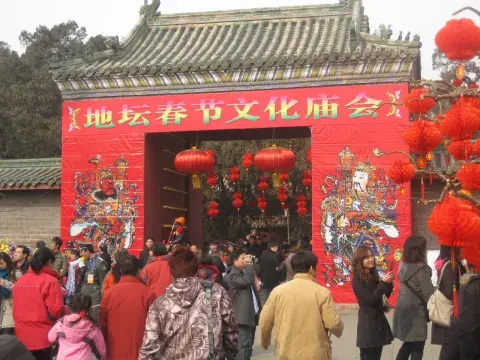
The Temple of the Earth, or Dìtán in Beijing, China, is located in the northern part of central Beijing, around the Andingmen area and just outside of Beijing's second ring road. It is also located just a few hundred yards north of Yonghe Temple. At 42.7 hectares, it is the second largest of the four Temples of Beijing behind only the Temple of Heaven.


It was built in 1530 during the Ming dynasty. Emperors of the Ming and Qing dynasty dynasties would attend the annual summer solstice ritual of offerings to the heaven.


Since the 1980s, traditional temple fairs have been held regularly during the Chinese lunar new year.
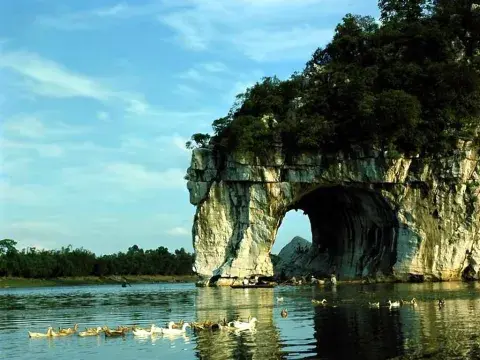
Elephant Trunk Hill

- Elephant Trunk Hill: stands majestically in the downtown area of Guilin city, at the junction of the Li River & the Peach Blossom River. The name was chosen because the hill looks like a ...

- Elephant Trunk Hill: stands majestically in the downtown area of Guilin city, at the junction of the Li River & the Peach Blossom River. The name was chosen because the hill looks like a giant elephant dipping its trunk into the river. The green water of Li River in front of it and the clear spring at the foot make Elephant Trunk Hill one of the most famous hills in Guilin City.

乘2路公交车至文昌桥站,或者57、58路免费公益车至象山公园

Bus No. 2 to WenchangQiao Stop, or No. 57 or 58 to Elephant Truck Park.