Sichuan Province Attractions


Sichuan Province Articles
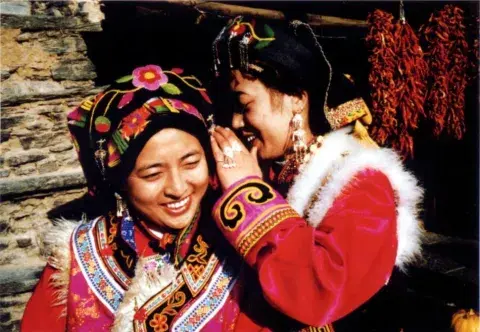
Qiang minority village explore
The Qiang Language is a branch of Tibetan, and has two different dialects. People who live near roads and areas of Han and Tibet have come to learn a little Mandarin....
The Qiang Language is a branch of Tibetan, and has two different dialects. People who live near roads and areas of Han and Tibet have come to learn a little Mandarin. Historically, the Qiang people adopted the use of Mandarin Chinese characters, because of their long-term communication with the Han people.
Qiang people still have their original religion. They believe that everything has anima; therefore, they worship over 30 deities. They respect four main kinds of deities: Nature, Ancestors, Deities, and Totems.

凤凰卫视中文台
一 九 九 六 年 三 月 三 十 一 日 , 凤 凰 卫 视 中 文 台 伴 随 着 凤 凰 卫 视 有 限 公 司 的 成 立 , 同 步 启 播 。
不 断 创 新 · 超 越 自 己 · 是 凤 凰 卫 视 中 文 台 节 目 制 作 的 目 标。
...一 九 九 六 年 三 月 三 十 一 日 , 凤 凰 卫 视 中 文 台 伴 随 着 凤 凰 卫 视 有 限 公 司 的 成 立 , 同 步 启 播 。
不 断 创 新 · 超 越 自 己 · 是 凤 凰 卫 视 中 文 台 节 目 制 作 的 目 标。
《 时 事 直 通 车 》 、 《 凤 凰 早 班 车 》 、 《 相 聚 凤 凰 台 》 、 《 锵 锵 三 人 行 》 、 《 时 事 开 讲 》 以 及 不 同 品 种 的 剧 集 , 不 单 成 为 观 众 喜 爱 的 名 牌 节 目 , 亦 使 凤 凰 卫 视 成 为 电 视 传 媒 潮 流 的 领 导 者 。 凤 凰 卫 视 透 过 亚 卫 三 号 S 卫 星 , 二 十 四 小 时 以 普 通 话 向 中 国 大 陆 、 香 港 、 台 湾 、 日 本 、 东 南 亚 地 区 、 澳 洲 、 新 西 兰 、 中 东 地 区 播 出 。 凤 凰 卫 视 中 文 台 节 目 包 括 中 外 电 视 的 代 表 作 , 并 集 新 闻 资 讯 、 体 育 、 音 乐 、 电 视 剧 于 一 身 。 凤 凰 卫 视 中 文 台 的 节 目 取 向 , 主 要 代 表 亚 洲 华 人 地 区 内 各 种 社 会 文 化 动 态 及 观 众 的 生 活 方 式 和 口 味 , 以 新 鲜 的 题 材 , 多 样 的 形 式 , 清 新 的 风 格 , 新 奇 的 内 容 , 引 领 观 众 走 向 一 个 崭 新 的 视 听 空 间 。
娱 乐 大 风 暴 、 鲁 豫 有 约 、 名 人 面 对 面 、 世 纪 大 讲 堂 、 有 报 天 天 读 、 天 天 运 动 会 、 完 全 时 尚 手 册 、 健 康 新 概 念 、 凤 凰 全 球 连 线 、 时 事 开 讲 、 开 卷 八 分 钟 、 锵 锵 三 人 行 、 文 化 大 观 园 、 凤 凰 气 象 站 、 美 女 私 房 菜 、 凤 凰 晨 早 播 报 、 财 智 全 攻 略 、 凤 凰 大 视 野 、 点 睛 today 、 凤 凰 正 午 播 报 、 世 界 论 中 国 、 名 言 启 示 录 、 凤 凰 精 选 、 问 答 神 州 、 我 猜 我 猜 我 猜 猜 猜 、 风 云 对 话 、 一 虎 一 席 谈 、 时 事 直 通 车 、 周 末 大 放 送 、 口 述 历 史 、 商 旅 冲 动 、 文 涛 拍 案 、 纵 横 中 国 、 凤 凰 早 班 车 、 凤 凰 午 间 特 快 、 凤 凰 太 空 站 、 财 经 正 前 方 、 小 莉 看 世 界 、 凤 凰 子 夜 快 车 、 凤 凰 子 夜 财 经 、 冷 暖 人 生 、 军 情 观 察 室 、 社 会 能 见 度 。
Top Sichuan Province Tours
$200 Per Day
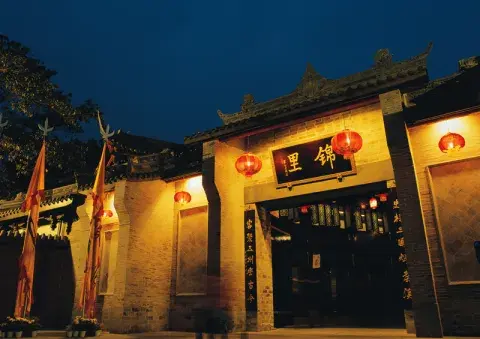
CHENGDU, A PANDA CITY, A GOURMET CITY, A TEA CITY, LOOKING FOWARD TO YOUR ARRIVAL
Chengdu, with an area of 12,400 square kilometers and a polulation of about 14,170,000 is not just the biggest provincial capital in west China, but also the only city in the history of China whose name has reminded the same for 3,000 years since its establishment. In Chinese, "Cheng" means "success or successful" and "Du" means "big city or capital". This "Successful City" boasts a long history. It is believed that everything about Chengdu has their origin from "Sanxingdui Ruins", from where you can deeply discover the history story of Chengdu.
...Read moreChengdu, with an area of 12,400 square kilometers and a polulation of about 14,170,000 is not just the biggest provincial capital in west China, but also the only city in the history of China whose name has reminded the same for 3,000 years since its establishment. In Chinese, "Cheng" means "success or successful" and "Du" means "big city or capital". This "Successful City" boasts a long history. It is believed that everything about Chengdu has their origin from "Sanxingdui Ruins", from where you can deeply discover the history story of Chengdu.
Giant pandas definitely are the best calling card and trademark of Chengdu. Every year, million of people are attracted by giant pandas to spend their holidays here, go sightseeing here, make investment here and even settle here permanently. The reason is that for people around the world, the charm of giant pandas cannot be replaced by anything else.
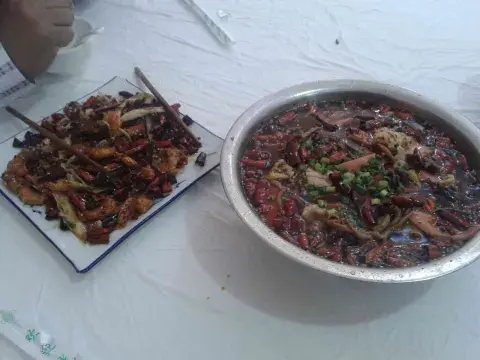
Various kinds of wonderful food shall be another reason attracting you to visit Chengdu. Of the four most famous schools of culinery art in China (Beijing cuisine, Sichuan cuisine, Jiangsu cuisine, Guangdong cuisine), Sichuan cuisine boasts tongue-numbing, hot, delicate and fresh taste and a variety of flavors, as "each dish has its unique taste and no two dishes have the same flavor." Such spcial flavors as fish-flavored, gongbao (with peanuts), and water-boiled are incomparable at home and abroad.
"The teahouses in Sichuan top the world, and those in Chengdu Top Sichuan." This widespread saying not only points out the status of Chengdu's teahouses but also the inseverable ties between Chengdu culture and tea. Like bars in Paris and cafes in Vienna, teahouse add a touch of refinement and leisureliness to Chengdu, an ancient yet modern metropolis. The practice of driking tea prevailed in Sichuan as earlt as prior to the Qin and Han Dynasties.
Wish you can have a nice trip in Chengdu. You will love it.

$300 Per Day
10 Days from Lijiang to Shangrila Daocheng Yading and Chengdu
Day1from lijiang to shangrila on the way see the first bend of Yangtze River and tiger leaping gorge then continue to Shangrila Day2 Shangri La – Xiang Cheng
Day3Xiang Cheng – Yading
Day4look around Yading
Day5 Yading – Daocheng – Litang
Day6 Litang – Yajiang – Xinduqiao
Day7 Xinduqiao – Tagong – Bamei – Danba
Day8look around Danba
Day9 Danba - Ya’an
Day10 Ya’an – Bifengxia – Chengdu
$1 Per Day
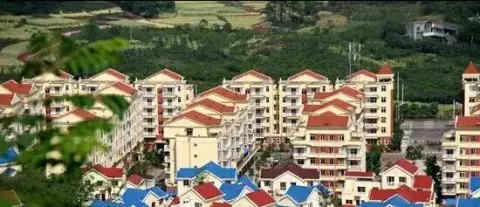
One town sleep under the mouantain
One biggest surprise on the high-speed way.
Pool , lake, grass, trees and more interesting things make this little town like one fairy tale.
The colors of these buildings are cute,green、 red、 blue, all the colors make this place looks like are the one line with the sky .
Some kind of farms here, wehn strawberry grown up , you can also pick the up , you get more closer here, more surprises for you.
Good place for pleasure.