Chengdu Attractions
Chengdu Tianfanglou Muslim Restaurant
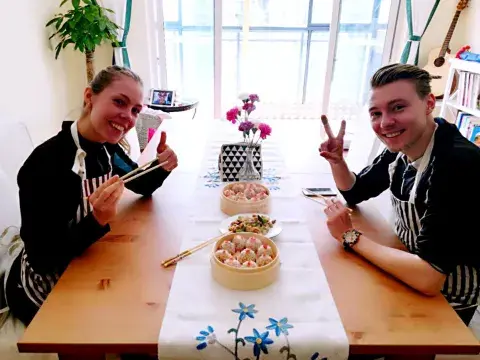
Chengdu Muslim restaurant -Tianfanglou restaurant is located near Tianfu Square , beside a mosque . they are main Sichuan dishes , as well as noodles , dumplings etc .
the restaurant is also near the Muslim corner , in the morning in this area you can find kinds of Halal food :&...
Chengdu Muslim restaurant -Tianfanglou restaurant is located near Tianfu Square , beside a mosque . they are main Sichuan dishes , as well as noodles , dumplings etc .
the restaurant is also near the Muslim corner , in the morning in this area you can find kinds of Halal food : Halal BBQ, beef , lamb. nang ( old crusty pancake) etc.
Chicony Plaza
Chicony Plaza is located at the central place of the city center -Chunxi road . the main body of the building was disigned by the world famous Goettsch Partners. it is a comprehensive shopping complex that integrates international boutiques, fashionable commodities, fresh food supermarket. entain...
Chicony Plaza is located at the central place of the city center -Chunxi road . the main body of the building was disigned by the world famous Goettsch Partners. it is a comprehensive shopping complex that integrates international boutiques, fashionable commodities, fresh food supermarket. entainment clubs and food and beverage. it is the land mark of Chengdu city, no matter in day or night it is the focus of top-level fashion
Chengdu Songxianqiao Art and Antique Market
Chengdu is a city with 2400 Years old history with lots of traditional arts and handicrafts.
The Songxianqiao Art and Antique Market is the place where local artists are doing their works, painters, stone and wood carvers, Chinese traditional funiture designers, silk embroider masters...
Chengdu is a city with 2400 Years old history with lots of traditional arts and handicrafts.
The Songxianqiao Art and Antique Market is the place where local artists are doing their works, painters, stone and wood carvers, Chinese traditional funiture designers, silk embroider masters,bamboo weavers are gethering together in this huge markets with more than 500 studioes to show their great technics.
It's not a tourist markets,most of the buyers are locals, one can always find something interesting in this markets.
By taxi or metro Line 3 or 2, get off at Sichuan Provincial Hospital, the market is behind the hospital.
Sichuan opera
Sichuan opera is traditionally enjoyed in a tea house atmosphere, where the audience can relax with tasty snacks and hot tea while enjoying the boisterous performance. Shufengyayun Tea House, one of Chengdu's best, is located in the Chengdu Culture Par...
Sichuan opera is traditionally enjoyed in a tea house atmosphere, where the audience can relax with tasty snacks and hot tea while enjoying the boisterous performance. Shufengyayun Tea House, one of Chengdu's best, is located in the Chengdu Culture Park near Qingyang Temple, a famous Taoist abbey, Wuhou Ancestral Temple and Dufu's Cottage.
The building is in the style of Sichuan's rustic Old West Shu Country and is the perfect backdrop for the ancient Chinese dramatic art of bian lian (face changing), a highlight of the show. Watch the performers in their brightly colored costumes as they move to the quick, dramatic music. Their faces are hidden by vividly colored masks which can change in a split second, turning from joy, to fear, to anger in a matter of moments. It is a dramatic combination of music, song and dance that transcends cultural barriers.
In addition to face changing, you'll also enjoy other performances ranging from euphonious folk music played on traditional Sichuanese instruments such as the Gao Hu, Jin Qian Ban and Suo Na, to other Sichuan Opera favorites such as Gong Fu opera "On the Way to the Wedding", comedy "Rolling Light", and stick-puppet show "The Beauty of the World".
All programs are designed to amaze and delight and despite the stifling Chengdu heat, expect an enthusiastic response from the audience with cheers and laughters throughout.
Jianfu Temple
It is located under Zhangren Peak of Mt.Qingcheng and was built primitively in the 12th year of Kaiyuan of Tang Dynasty ( A.D 724 ) As the legend goes, Xuanyuan Emperor ever learned Taosim from one supernatural named Ningfeng in Mt.Qingcheng . and he defeated Chiyou depending on the favor of...
It is located under Zhangren Peak of Mt.Qingcheng and was built primitively in the 12th year of Kaiyuan of Tang Dynasty ( A.D 724 ) As the legend goes, Xuanyuan Emperor ever learned Taosim from one supernatural named Ningfeng in Mt.Qingcheng . and he defeated Chiyou depending on the favor of Ningfeng. and then, he apotheosized Ningfeng as Wuyue Zhangren to lead the five mountains. Jianfu Palace is Zhangren Temple formerly famous for Ningfeng Zhangren. and the statues of Ningfeng and all great masters of Taoism are set in Jianfu Palace
Hongkou Nature Reserve
Introduction to Hongkou
Hongkou is a national nature reserve, national AAAA grade tourism area and the first floating town in China
the beautiful natural scenery such as towering mountain, valleys , clear steams, waterfalls, virgin forest and so on make you have so muc...
Introduction to Hongkou
Hongkou is a national nature reserve, national AAAA grade tourism area and the first floating town in China
the beautiful natural scenery such as towering mountain, valleys , clear steams, waterfalls, virgin forest and so on make you have so much enjoyment . With fresh air, it is a absolutely good natural oxygen bar. Not only you can climb the mountain , but also float to splash and enjoy the cool water.
Chengdu Articles
Sichuan,more than pandas!
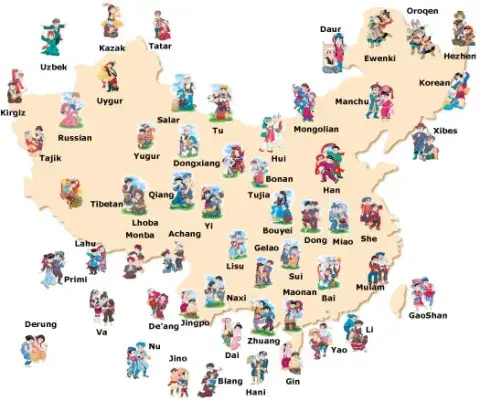
My hometown Sichuan, as a province, has a population of over 86 million, ranks the third among the provinces in China on population. There are 55 national minorities with 4.9 million people.
...My hometown Sichuan, as a province, has a population of over 86 million, ranks the third among the provinces in China on population. There are 55 national minorities with 4.9 million people.
Sichuan is the one and only Qiang Nationality Area in China, and the biggest Yi Nationality area and is also the second biggest Tibetan living area.
Because of this, Sichuan has always been famous for our open atmosphere and mixed culture.
Different diversities of foods are also easy to find here!
Bike Riding User Guide in China
Public bikes in China is very popular
how to ride a public bike in China ? here is the guiding tips :
1 Preparation
download the App and register by your phone number
...Public bikes in China is very popular
how to ride a public bike in China ? here is the guiding tips :
1 Preparation
download the App and register by your phone number
you can also follow Ofo's official wechat account to borrow one. or you can use mobike by wechat's mini program
Real name registrations :
passport registration is available for people without a Chinese ID card. you can input in your name ,certificate number, nationality and upload a photo of your passport ID page and a photo of your holding the passport.
2. Deposit and Prepay
Ofo :99 rmb for deposit, top up 20, 50. or 100 RMB to your account.
Blugogo: 99 RMB for deposit. p ay after using.
Mobike: 299 RMB for deposit
Top up 1-100 RMB to your account
( pay by wechat or Alipay )
3 Fare
Ofo: 0.5 RMB/h for teachers or students.
1RMB for 30m for other users
Bluegogo :0.5 RMB for 30 m
Mobike : 1 RMB for 30m

Best wishes for Thanksgiving Day!
Dear all,
Thank you for being my valued customers.
In this time of gratitude, I appreciate your trust in me. Counting you among my customers and friends is somthing for which we are especially grateful.
...Dear all,
Thank you for being my valued customers.
In this time of gratitude, I appreciate your trust in me. Counting you among my customers and friends is somthing for which we are especially grateful.
A special greeting of Thanksgiving time to express to you my sincere appreciation for your confidence and loyalty.
I am deeply thankful and extend to you my best wishes for a happy and healthy Thanksgiving Day.
May the good things of life be yours in abundance, not only at Thanksgiving but throughout the coming year.
Warm wishes,
Top Chengdu Tours
$200 Per Day
CHENGDU, A PANDA CITY, A GOURMET CITY, A TEA CITY, LOOKING FOWARD TO YOUR ARRIVAL
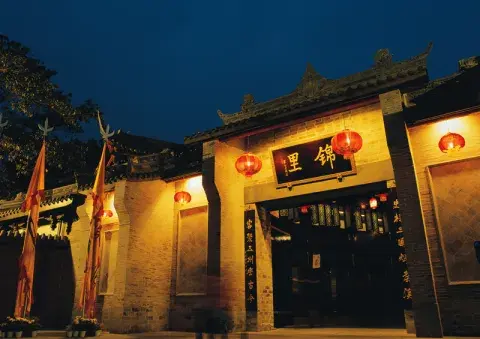
Chengdu, with an area of 12,400 square kilometers and a polulation of about 14,170,000 is not just the biggest provincial capital in west China, but also the only city in the history of China whose name has reminded the same for 3,000 years since its establishment. In Chinese, "Cheng" means "success or successful" and "Du" means "big city or capital". This "Successful City" boasts a long history. It is believed that everything about Chengdu has their origin from "Sanxingdui Ruins", from where you can deeply discover the history story of Chengdu.
...Read moreChengdu, with an area of 12,400 square kilometers and a polulation of about 14,170,000 is not just the biggest provincial capital in west China, but also the only city in the history of China whose name has reminded the same for 3,000 years since its establishment. In Chinese, "Cheng" means "success or successful" and "Du" means "big city or capital". This "Successful City" boasts a long history. It is believed that everything about Chengdu has their origin from "Sanxingdui Ruins", from where you can deeply discover the history story of Chengdu.
Giant pandas definitely are the best calling card and trademark of Chengdu. Every year, million of people are attracted by giant pandas to spend their holidays here, go sightseeing here, make investment here and even settle here permanently. The reason is that for people around the world, the charm of giant pandas cannot be replaced by anything else.
Various kinds of wonderful food shall be another reason attracting you to visit Chengdu. Of the four most famous schools of culinery art in China (Beijing cuisine, Sichuan cuisine, Jiangsu cuisine, Guangdong cuisine), Sichuan cuisine boasts tongue-numbing, hot, delicate and fresh taste and a variety of flavors, as "each dish has its unique taste and no two dishes have the same flavor." Such spcial flavors as fish-flavored, gongbao (with peanuts), and water-boiled are incomparable at home and abroad.
"The teahouses in Sichuan top the world, and those in Chengdu Top Sichuan." This widespread saying not only points out the status of Chengdu's teahouses but also the inseverable ties between Chengdu culture and tea. Like bars in Paris and cafes in Vienna, teahouse add a touch of refinement and leisureliness to Chengdu, an ancient yet modern metropolis. The practice of driking tea prevailed in Sichuan as earlt as prior to the Qin and Han Dynasties.
Wish you can have a nice trip in Chengdu. You will love it.
$1 Per Day
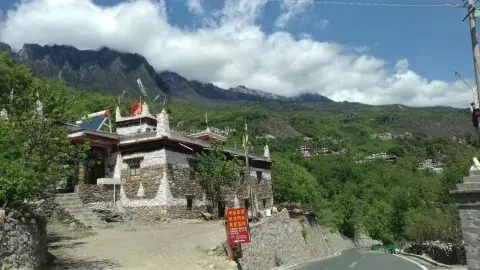
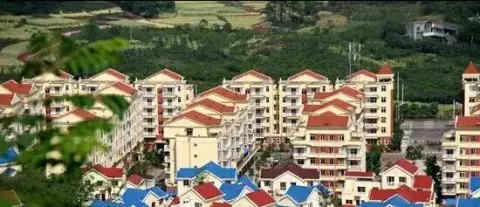
One town sleep under the mouantain
One biggest surprise on the high-speed way.
Pool , lake, grass, trees and more interesting things make this little town like one fairy tale.
The colors of these buildings are cute,green、 red、 blue, all the colors make this place looks like are the one line with the sky .
Some kind of farms here, wehn strawberry grown up , you can also pick the up , you get more closer here, more surprises for you.
Good place for pleasure.

$2000 Per Day
Western Sichuan Highland and Tibet Area Tour 2016
Western Sichuan Highland and Tibet Area Tour 2016 (Mid Oct is the best color)
Day 0: October 13
Day 12: October 25
Day 0: arrive in Chengdu
Western Sichuan Highland and Tibet Area Tour 2016 (Mid Oct is the best color)
Day 0: October 13
Day 12: October 25
Day 0: arrive in Chengdu
Day 1: Start workshop, drive from Chengdu to Hailuogou
(341km – 5 hours!)
Day 2: Hailuogou
Day 3: Hailuogou to Kangding
(70km – 2 hours!)
Where do we stay that night Kangding or Mugecuo?
we stay in Kangding
Day 4: Mugecuo to Yajiang
(100km – 2 hours!)
Day 5: Yajiang to Litang
134km -3.30 Hours
Day 6: Litang to Yading Daocheng to Riwa town(Yading)
this drive 434km- How long 8H,
We drive 12 hours, this area is beautiful, we stop many times for photography, we stay in Daocheng, Daocheng to Riwa town(Yading) 100 km, Riwa town is the entrance to the main scenic spot, (Litang is a county on the way, we can’t stay there over night, bed condition)
Day 7: Yading
Day 8: Yading
Day 9 : Yading to Litang this ride is the most beautitul area in the trip
(264km – 5-6 hours)
Day 10: Litang to Xinlong to Bai Gangzi
(260km – 8 hours!)
Day 11:Gangzi to Serta
(152km – 4 hours!)
Day 12: Serta
Day 13: Sera to Luhuo
(156km – 3 hours!)
Day 14: Luhuo to Danba
(234km – 6 hours)
Day 15: Danba to
Rilong Balang to Chengdu
(416km – 8 hours!)
Day16: Chengdu, conclusion of the tour.