Annapurna Region

Annapurna Region:
The name “Annapurna” came after the Mt. Annapurna, which is the 10th highest mountain in the world. Annapurna is a series of peaks in the Greater Himalaya, a 55-km-long Massif whose highest point, Annapurna I, stands at 8,091 m (26,538 ft). I...

Annapurna Region:
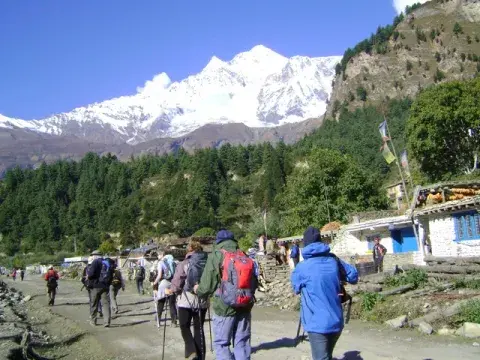
The name “Annapurna” came after the Mt. Annapurna, which is the 10th highest mountain in the world. Annapurna is a series of peaks in the Greater Himalaya, a 55-km-long Massif whose highest point, Annapurna I, stands at 8,091 m (26,538 ft). It is located east of a great gorge cut through the Himalaya by the most famous river, Kali Gandaki and which separates it from the Mt. Dhaulagiri (White Mountain). Annapurna is a Sanskrit name which is translated as Goddess of the Harvests. In Hinduism, Annapurna is a goddess of fertility and agriculture. The Region, Annapurna is surrounded by many Himalayan ranges which include the Annapurna range, Dhaulagiri and Machhapuchhre (Fishtail). Mt. Fishtail dominates the skyline above Pokhara. In addition these attractions, the area possess the Kali Gandaki, the world's deepest gorge which is in the middle of two high mountains Annapurna I and Dhaulagiri.

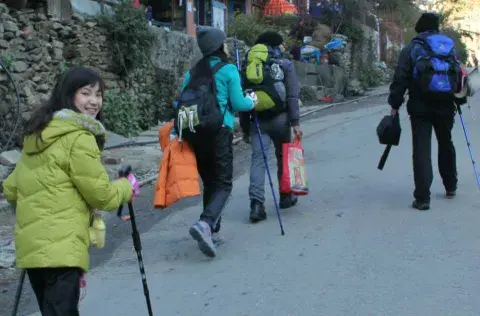
The Annapurna region is one of the famous for trekking. In this region there are three major trekking routes, Jomsom Muktinath, Annapurna Sanctuary which is also called Annapurna Base Camp and Annapurna Circuit but now-a-days, Annapurna Circuit is shortened due to the road way up to Chame and up to Muktinath in other side so Annapurna Circuit is rarely done by the trekkers, instead of that; trekkers use to go to Ghorepani – Pun Hill which is fantastic, short and easy trek where all of the trekkers (fit & unfit – whoever) can go for trekking . About two-thirds of the trekkers in Nepal visit the Annapurna region. The area is easily accessible, hotels in the hills are plentiful, and treks here offer good scenery of both high mountains and lowland villages. In this Region there is one project known as ACAP (Annapurna conservation Area Project) ACAP was established in 1986 under the guidance of the Late King Mahendra Trust for Nature Conservation. The project covers the whole Annapurna range, more than 7600 sq km. In an inventive advance to environmental protection, it was declared a "conservation area" instead of a national park. A large number of people live within the protected region.

Annapurna Conservation Area offers varieties of flora and fauna form sub tropical to pine and you will grace by the heart touching blossoming rhododendron on your way. This region is also the home to copious wildlife like blue sheep, snow leopards, tigers and Himalayan Tahr. Multiplicity of birds including multi –colored Impheyan, koklas and blood pheasants, offer you their natural beauty. In this region you will encounter with the Gurungs and Thakali people whose unique culture and religion makes you surprise. You will experience how friendly and open hearted these people are, and you can get a taste of their lifestyle by staying in their house and knowing their way of living and their culture and tradition.
In Annapurna Region, we can do the following treks.
• Annapurna Base Camp
• Annapurna Foot Hill (Ghorepani Trek)
• Jomsom – Muktinath
• Ghandruk – Dhampus Loop

We get there,

by air or by bus and then hiking

Nepal Everest Base Camp Trekking

Mount Everest (8,848m) is the utmost Mountain in the world, which is located in Nepal, named as "Sagarmatha". Everest is measured as the goddess mother of the whole world and has the greatest magnetism for those nature lovers and identical explorer. Solukhumbu is sacred with a fundament...

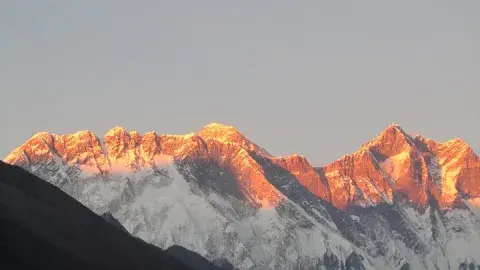
Mount Everest (8,848m) is the utmost Mountain in the world, which is located in Nepal, named as "Sagarmatha". Everest is measured as the goddess mother of the whole world and has the greatest magnetism for those nature lovers and identical explorer. Solukhumbu is sacred with a fundamental element of the Himalayan charm. It is an initial location that makes available a welcome destination for these explorers to the Everest Trekking put down in the heartland of the Everest Region. During the Everest Trekking, trekkers are inundated with of unbelievable views of peaks. From the high altitude you can view several paranormal views of the great Himalayas that are standing over there with dignity and meditating from a long time.
In the entire world there is no other amazing mountain except Mount Everest. The Everest Base Camp Trek is a magnificent hike in the land of the Himalayas. The trekking throughout this region recommends surprising mountain scenery plus an opportunity to view the glimpse of different panoramic views. In addition, it provides an opportunity to sight see in the region of Sagarmatha with Flora, Fauna, and Buddhist monasteries. Moreover, the main attraction of this trek is Everest Base Camp. Everest Base Camp Trek starts after exploring religious temples, holy places and other attractions of Kathmandu.
 

langtang valley Trekking Nepal

It is being said that a Lama following a footprints of Yak discovered the valley and hence the valley was named Langtang which means (Lang in Tibetan is 'yak' and Teng is 'to follow'). Langtang is a small but beautiful valley situated in the eastern part of Nepal connecting the southern border of...

It is being said that a Lama following a footprints of Yak discovered the valley and hence the valley was named Langtang which means (Lang in Tibetan is 'yak' and Teng is 'to follow'). Langtang is a small but beautiful valley situated in the eastern part of Nepal connecting the southern border of Tibet.

Langtang Valley Trekking. Langtang is easily accessible from Kathmandu; a few hours of bus ride will bring you to the most beautiful parts of Himalayas. Langtang holds the beauty of the main Himalayan range to the north and a slightly lower range of snowy peaks to the south. However, trekking with the varieties of rhododendron, bamboo forests, majestic waterfalls and snow-capped Himalayas make the trek one of the most diverse treks close to Kathmandu.

Langtang Lirung (7246m) dominates the valley to the north; Gang Chhenpo (6388m) and Naya Kangri (5864m) lie to the south; and Dorge Lakpa (69866m) protects the east end of the valley. This high and isolated region is inhabited by Tamangs.

Tamang are the local ethnic group whose religious practices, language and dress are much more similar to those of Tibet than to the traditions of their cousins in the Middle Hills. Langtang valley trekking offers an opportunity to explore villages, climb small peaks and visit glaciers at a comfortably. Come feel safe to trek with us!

itinerary 

Day 1: Arrive at the airport and transfer to the hotel

Day 2: Drive from Kathmandu to Syabru Besi (1600m)

Day 3: Trek to Lama Hotel (2470m)

Day 4: Trek to Langtang village (3430m.)

Day 5: Trek to Kyangjin (3870m), then climb to kyangin Ri and back to Kyangjin Gompa

Day 6: Trek to Lama Hotel (2470m)

Day 7: Trek to Syabru Besi.

Day 8: Drive to Kathmandu.

Day 9: Depart for your next destination

What's Included?
Airport / Hotel / Airport pick up & drop by private car / van / bus.
Standard accommodation at hotel in Kathmandu.
3 Meals a day Breakfast, Lunch, Dinner during the trek
Best available Lodges, Guesthouses accommodation during the trek.
Licensed English and other native language speaking Guide.
The required number of staff and Porters to carry your luggage during the trek.
Food, accommodation, salary, insurance, equipments, medicine for all trekking staffs.
Langtang National Park permits.
Down Jacket, sleeping bag and duffel
Surface transfer from and to Kathmandu.
All our government taxes.

Exclusions:
Lunch & Dinner during Kathmandu stay
Personal trekking warm clothes, sleeping bag
High risk medical insurance
International air ticket.
Alcohol , beverages & telephone calls
Emergency rescue evacuation if needed.
Tips (end of the trip) for your trekking staff and porters.

email [email protected]