Nepal Everest Base Camp Trekking
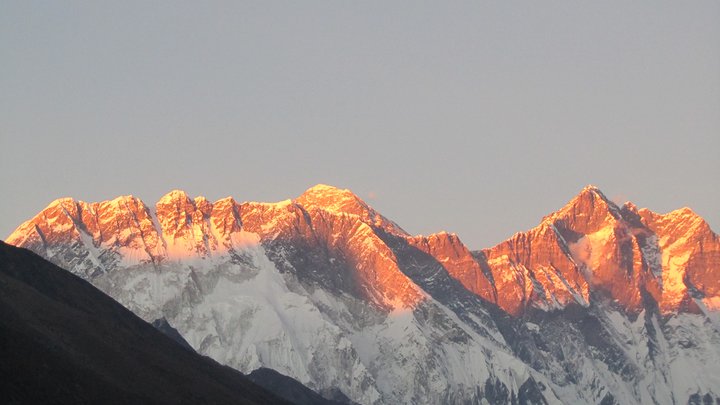
Mount Everest (8,848m) is the utmost Mountain in the world, which is located in Nepal, named as "Sagarmatha". Everest is measured as the goddess mother of the whole world and has the greatest magnetism for those nature lovers and identical explorer. Solukhumbu is sacred with a fundamental element of the Himalayan charm. It is an initial location that makes available a welcome destination for these explorers to the Everest Trekking put down in the heartland of the Everest Region. During the Everest Trekking, trekkers are inundated with of unbelievable views of peaks. From the high altitude you can view several paranormal views of the great Himalayas that are standing over there with dignity and meditating from a long time.
In the entire world there is no other amazing mountain except Mount Everest. The Everest Base Camp Trek is a magnificent hike in the land of the Himalayas. The trekking throughout this region recommends surprising mountain scenery plus an opportunity to view the glimpse of different panoramic views. In addition, it provides an opportunity to sight see in the region of Sagarmatha with Flora, Fauna, and Buddhist monasteries. Moreover, the main attraction of this trek is Everest Base Camp. Everest Base Camp Trek starts after exploring religious temples, holy places and other attractions of Kathmandu.
Tours That Go to Nepal Everest Base Camp Trekking
Mount Everest Sightseeing Flight
...Read more
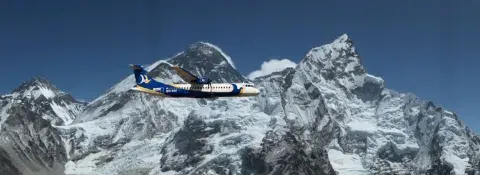
The flight promises breathtaking views of Mount Everest, the world's highest peak, along with other iconic summits such as Lhotse, Nuptse, and Makalu. The flight not only showcases the grandeur of Everest but also offers expansive views of the entire mountainous region, including glaciers and other prominent peaks that contribute to the breathtaking landscape. As the aircraft glides through the sky, travellers may also have the opportunity to glimpse traditional Sherpa villages and monasteries, providing cultural insights into the unique way of life in the Everest region. The sightseeing flight is designed to be a convenient and time-efficient alternative to traditional treks or climbing expeditions, making it accessible to a diverse range of individuals.

Everest base camp
Overview- Being the highest peak in the world with an altitude of 8,849m Mount Everest beautifully and proudly stands between the Nepal and Tibet border and in the Solukhumbu district of Nepal. The Sanskrit name for Mount Everest is Sagarmatha which means “peak of heaven” justifying the name it gives us the vibes of heaven itself. It is believed in history that, On July 20, 1919, Sir Edmund Percival Hillary who was with Sherpa mountaineer Tenzing Norgay, they were the first person to reach the summit of Mount Everest....Read more
Overview- Being the highest peak in the world with an altitude of 8,849m Mount Everest beautifully and proudly stands between the Nepal and Tibet border and in the Solukhumbu district of Nepal. The Sanskrit name for Mount Everest is Sagarmatha which means “peak of heaven” justifying the name it gives us the vibes of heaven itself. It is believed in history that, On July 20, 1919, Sir Edmund Percival Hillary who was with Sherpa mountaineer Tenzing Norgay, they were the first person to reach the summit of Mount Everest. Apart from being amazingly beautiful Mount Everest or base camp may have some disadvantages like suffering from altitude sickness. It is most likely to have breathing difficulties when you are at such heights. Many accidents have been reported on Everest base camps and Mount Everest peak itself. That is why you need to be more careful when you decide to trek to EBC.
Temperature and weather in Everest base camp
Mount Everest is certainly the highest peak on earth. You must expect the temperature likewise. The temperature in Everest base camp (EBC) can be extremely cold. Generally at the altitude of 5,200mwhich is definitely above sea level has characterized a climate called mountain plateau climate which is coldest throughout all the months. The coldest months in EBC are November-February when the temperature reaches -17 degrees Celsius. July and August are rainy seasons they are comparatively warmer. Spring in EBC i.e. (April – May) generally has the daytime temperature around 15 degrees celsius whereas at night it can fall to -1 degrees Celsius. With this bearable temperature, the spring season is definitely the best time to visit EBC providing clear and blue skies, and a view of the summit.
During the monsoon season (June to September) the temperature is good. In the day time reaches up to 22 degrees Celsius and at night falling around 4 degree Celsius this season seems to have a warmer climate. But due to heavy rainfall, the roads might be muddy and may cause some trouble to trekkers. During autumn the daytime temperature reaches 17 degrees Celsius and falls around -8 degree Celsius at night.
Well, winter is cold everywhere. In EBC, being the coldest season the temperature in winter (November to April) can be around -5 degrees Celsius in day time whereas, it greatly falls to -10 to -15 degree Celsius at night. However, if you really like the cold, you can still visit EBC in early winter. In fact, you will get an amazing view of clear blue skies and bright sunshine.
Best time to visit EBC
Even though EBC welcomes everyone almost all the months, still the best time to visit EBC is April to May and September to October. At this time the temperature is moderate with slight rainfall. You get the chance to see the dazzling view of mountains, clear blues skies, and snow. However, if you are on a limited budget the best time for you is early winter. You can actually get cheaper accommodation and food in early winter.
Note: it is almost impossible to trek in mid and late winter due to extreme cold and snowfall and higher chances of avalanches.
Duration to reach Everest Base camp
- There are several routes to go to Everest base camp.
1. Route from Jiri to Everest base camp- this route basically takes around 19- 21 days. Since most people these days like slow travel. This route is best for them and offers a beautiful view with less crowd of hikers. You can witness wonderful insights into Solu Sherpa culture. This trip may cost around 1300-1500 per day.
2. Route from Tumlingtar- this route takes good 21-23 days and starts in Tumlingtar itself. You can drive or catch a flight to Tumlingtar. Like from Jiri, this route is also not really crowded with hikers and you can enjoy the quieter journey.
3. The classic route- you can take a flight to Lukla this is the most direct and fastest route to Everest base camp. It basically starts from Lukla valley through small villages, and beautiful farmlands before you reach Namche. After that, you will follow the course of the Imja Khola River up to the Sherpa village of Dingboche. After walking for a few more days you will reach toKalapattar Mountain which looks down over EBC. This way you can reach EBC easily and in a very short time. This standard route journey to EBC may cost a total of 35000- 40000 including all the accommodations and food.
Transportation-
Bus- the bus is the suitable and moderately easier way to reach EBC, especially for those who have acrophobia. They can always travel by bus or jeep to Phaplu and then trek to Lukla. It usually takes 10- 12 hours of bus/jeep journey to reach Phaplu from Kathmandu. During dry seasons the bus reaches Khari Khola whereas in summer seasons the bus only reaches Phaplu because of rainy effects.
Trains- since there are no trains available in Nepal this option is for people coming through the northern side of Tibet. There is a training facility up to Lhasa. From Lhasa, there is the easiest roadway to the north. This makes the journey easier and more comfortable.
Airplane- the two airports here are Kathmandu and Lukla so you cannot directly fly fromKathmandutoEBC. But you can reach Lukla airport. From Lukla, you need to start a tour trek to EBC.
Helicopter- Helicopter allows you to visit and return to Kathmandu in a very short time. It takes 4 hours to fly from Kathmandu to Lukla. From Lukla, it takes 40-45 minutes to reach the base camp or Kalapathar. You can reach 17,700 feet (5,400m) by helicopter and enjoy views from your window seat. However, the price is very expensive around 150$ for one way. But this may differ depending on the size of the group.
Cost of accommodation and food
Accommodations- accommodations are not so bad in EBC. In fact, you can get a friendly environment staying on the teahouses, made and run by Sherpa. They are basically small lodges with small rooms.
Teahouses- here, Rooms are usually provided with two single beds and a small table. They also provide a clean mattress, bed sheet, and pillow with a warm blanket. You can also use your sleeping bag for additional warmth. They have one common dining room to eat in and also socialize with other trekkers. Staying in teahouses or lodges may cost up to 5- 10$ (500 -1000 NRS) per night. Teahouses have proper facilities for bathrooms, hot showers,s and internet access.
Food – food in EBC can be a little expensive as the altitude rises.
- Meal (dal, Bhat, curry)- 400-700 NRS (4-7$)
- Hot soups- 300-500 NRS (3-5$)
- Snacks- pasta, noodles, potatoes= 400-600 NRS (4-6$)
- Pizzas – 700-900 (7-9$)
- Veg momos are around -400- 500 NRS (4-5$)
- Teas- 100 NRS per cup (1$)
- Permits and fees
- Khumbu Pasang Lhamu rural municipality entrance permit- these permits cost you around 2000. This disappointed on 1st October 2018 replacing the old TIMS cards,
Sagarmatha national park entry permit- it’s around 3000 NPR for every foreigner besides Indians which is 1500 NPR. Here, are two passport-size photographs and a copy of the Khumbu Pasang Lhamu rural entrance is mandatory for further processing. They can be available at the Nepal tourism board office. This is one of the important permits you need to save for further way.
Additional permit for Jiri to base camp- if you are traveling through this route of Jiri you need to get an extra permit for the Gaurishankar conservation area. The permit is either available on the Nepal tourism board with a cost of 2000 or at the Shivalaya checkpoint which will cost you 4000. However, there is always a discount for Indian citizens.
Clothing and equipment
You need to be sure about the climatic condition of the place and pack your bag depending on the number of days for your journey. These are the important things you want to see before you start packing.
- Duffel bag sunglasses
- Backpack
- Camera daypack
- Charger/adapter rain cover
- Thermals sleeping bags
- Fleece jackets trek pole
- Headlight/torch light sports bras for girls
- Camera summer/winter hats
- Charger/adapter beanie
- Thermals raincoats
- Fleece jackets neck gaiter
- Down jacket travel towel
- Trekking trousers and shorts gloves (inner, outer insulated gloves) Trekking shirts/ T-shirts (full/half) hiking boots
- Waterproof jackets and trousers trekking shoes
- Underwear thermal shocks
- Passports
- Hiking boots
- Money (cash)
- Cosmetics (sun scream, moisturizer)
- Hand sanitizer
- Tissue papers and trash bag
- Reusable water bottles
- Safety kits
- Guide/sherpas/porters
- When you are on your way to EBC you can meet plenty of people to ask for directions and help, for which a guide doesn’t seem much of a necessity. However, it will help you a lot with other things so you can always take one for safety. A guide will cost you 22-30$ per day. As for porters they carry all your belongings unless they do not exceed 25 kilos. They may charge 16-20$ per day.
Communications and electronic
Nepal has been improving these days in terms of the internet. Yes, there is internet or Wi-Fi in EBC too. Although it’s available only in a few areas it works pretty nicely. However, radios are still the primary means of communication there. Fortunately, there is good network coverage in EBC and we can communicate and use data as we wish.
Safety security fitness-
Honestly, Trekking to EBC is quite challenging and adventurous. You need to prepare yourself for a hike of 5-6 hours per day. You can start your exercise 8-12 weeks prior to the journey. You have to strengthen your muscles, knees, and legs for trekking. It’s not mandatory for you to be 100%fit and healthy. If you are mild to moderately sick you can still travel with your physician’s permission. But if you are severely sick it’s better to take a rest and postpone your plan. Throughout the journey, you need to stay hydrated and continuously check your oxygen level.
It’s likely to suffer altitude sickness when you start climbing higher. The primary cause of altitude sickness is a decrease in the amount of oxygen in the atmosphere. It’s important to carry handheld oximetry. Oxygen saturation below 75% may be a risk. The most common medication for altitude sickness is Diamox(Acetazolamide).
Other requirements
Insurance- travel insurance is more of a mandatory thing to do before traveling anywhere. Do not forget to mention the maximum altitude you will be reaching because insurance varies and depends upon the height or elevation. You can always get more ideas about travel insurance from travel agencies or insurance companies themselves. You can also get one from any travel agency.
Visa and passports- for all foreigners besides Indians, you will be needing a valid visa and valid passport to visit anywhere in Nepal. You can have your Nepalese visa at Tribhuwan international airport in Kathmandu. You will also need two passport-sized photographs for trekking permits.
A Lifetime of Trekking Experience for you
Established a decade ago, we here at Nepal High Trek are a team of expert guides who will ensure that we offer safe guidance and friendly hospitality to the hundreds of visitors that we receive from all across the world.
Over the years, we have always provided reasonable and affordable prices for all our trips. Backed by the excellent service of our expert guides, we can guarantee that we will give you a trekking experience that you will remember for the rest of your life.Some of the treks which we arrange in Nepal are:-
...Read moreEstablished a decade ago, we here at Nepal High Trek are a team of expert guides who will ensure that we offer safe guidance and friendly hospitality to the hundreds of visitors that we receive from all across the world.
Over the years, we have always provided reasonable and affordable prices for all our trips. Backed by the excellent service of our expert guides, we can guarantee that we will give you a trekking experience that you will remember for the rest of your life.Some of the treks which we arrange in Nepal are:-
Everest Base
Camp Trek
Annapurna Base
Annapurna Circuit Trek
Manaslu Trek
Langtang Valley Trek
Rara Lake Trek
Helambu Circuit Trek
Classic Everest Trek via Jiri
Tsum Valley Trek
Kanchenjunga Base Camp Trek
Camp Trek
Dolpo Trek
Ghorepani Poon Hill Trek
Upper Mustang Trek
Annapurna Sikles Trek
Annapurna Skyline Trek
Langtang Gosainkunda Lake Trek
ISLAND PEAK CLIMBING 17 DAYS
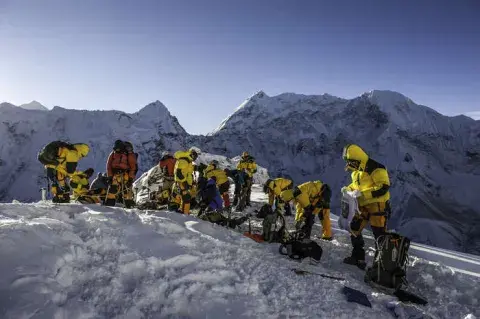
Imje Tse, called Island Peak, takes its name from its appearance as an island from afar, one set adrift in the sea of ice that is the surrounding Himalayas. It is nestled in the heart of the Khumbu region and, at 6,189m/20,300ft, is considered a moderate challenge for climbers. While Island Peak is used by many to gear up for higher and more precipitous peaks to come after, the climb is, by itself, extraordinarily scenic and endlessly exhilarating!...Read more
Imje Tse, called Island Peak, takes its name from its appearance as an island from afar, one set adrift in the sea of ice that is the surrounding Himalayas. It is nestled in the heart of the Khumbu region and, at 6,189m/20,300ft, is considered a moderate challenge for climbers. While Island Peak is used by many to gear up for higher and more precipitous peaks to come after, the climb is, by itself, extraordinarily scenic and endlessly exhilarating! Our professionally-developed climbing itinerary maximizes the sightseeing possibilities (which include Everest Base Camp and the hike to Kala Pathar) while factoring in ample time for acclimatization and a reasonable pace. Your guides will be the ultra-experienced Sherpas, many of whom have scaled Everest more than once. In these capable hands, your Island Peak climb is sure to be one filled with thrills, adventure, and unforgettable memories.
Everest Base Camp Trek
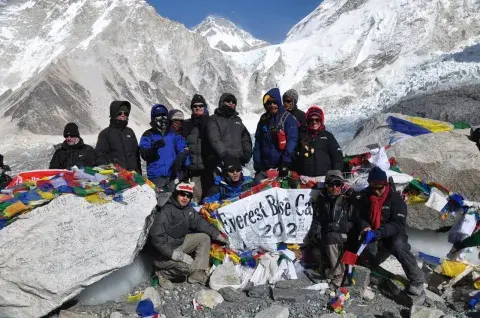
On this Everest Base Camp Trekking will give us massive pleasure to introduce you to an amazing Mt. Everest view of the world's highest peak. Perhaps in viewing Everest in this way, you will be satisfying a long detained wish. Without hesitation you will never be quite the same again. Forever since the days of early climbing Everest expeditions, this 8,848m mountain has had a lure of its own, drawing climbers to scale it and trekkers to look on its icy faces. It easy to see why the trek to the base camp of Mount Everest has become one of the most well-liked trekking routes in Nepal.
...Read moreOn this Everest Base Camp Trekking will give us massive pleasure to introduce you to an amazing Mt. Everest view of the world's highest peak. Perhaps in viewing Everest in this way, you will be satisfying a long detained wish. Without hesitation you will never be quite the same again. Forever since the days of early climbing Everest expeditions, this 8,848m mountain has had a lure of its own, drawing climbers to scale it and trekkers to look on its icy faces. It easy to see why the trek to the base camp of Mount Everest has become one of the most well-liked trekking routes in Nepal.
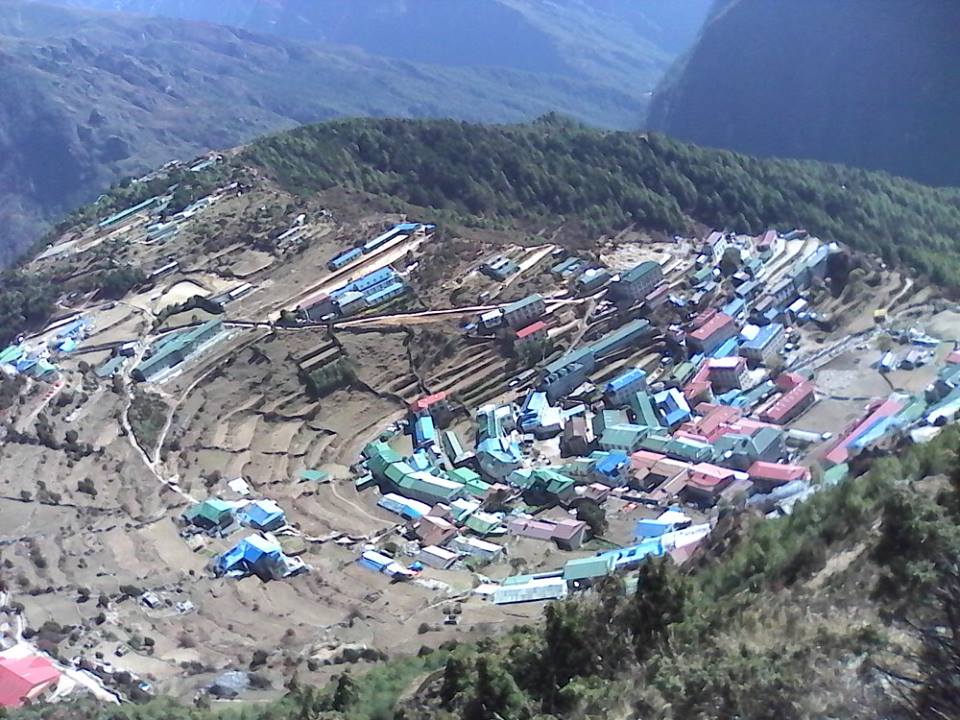
We begin our trek from Lukla after a 30 minute flight from Kathmandu. When we land at that miniature airstrip of Lukla, the adventure really begins. During trekking, we spend several days moving through the homelands of the Sherpa people, and will see Buddhist monasteries in Tengboche, Panboche and close up views of Mt. Everest and adjoining Ama Dablam, measured by many to be among the most attractive mountains in Nepal. We spend two nights at Namche Bazaar, the bustling market town in the heart of Sherpa country, and at Pheriche see a cluster of houses set among the high summer grazing pastures of the region. We spend the time in Namche Bazaar exploring and acclimatizing, which is an important factor in your enjoyment of the trekking.
People who have fully acclimatized may trek to the Everest Base Camp but without doubt, for many people the main highlight will be the brilliant views of the Mt Everest, Pumari which clarify from the summit of Kalapathar - the extradinary ice sculptures of the Khumbu Glacier, Nuptse and the south-west face of Everest.
ITINERARY IN DETAILS
Day 01: Arrive at Tribhuwan International Airport (TIA) Kathmandu
You will be welcomed by our staff and transferred to your hotel. Our airport representative will explain the program upon arrival. Overnight at hotel
Day 02: Trek preparation and Kathmandu Valley Sightseeing Tour
Sightseeing of World Heritage Sites in Kathmandu Valley including: Kathmandu Darbar Square, Swayambhunath Temple, Boudhanath Stupa and Pasupatinath Temple. Overnight at hotel, inclusive of breakfast
Day 03: Fly to Lukla and trek to Phakding (2652m/8699ft) 3 hrs
Early morning transfer to airport for Lukla flight. The flight into Lukla is a lifetime experience in itself. The airfield is at high evaluation and the difference between the two ends of the runway is about 60 meters! Trek to Phakding with green landscape & view of Kusum Kangraru. Overnight at guesthouse, inclusive of full board meals
Day 04: Trek to Namche Bazaar (3440m/11283ft) 6 hrs
We follow the Dudh Kosi, ascending through Himalayan pine and Doedar cedar forests, to the celebrated village of Namche Bazaar. The village of Namche is a historic trading post where Nepalese and Tibetan traders exchange salt, dried meat and textiles. Besides being a superb place to shop for traditional crafts, Namche remains the central trading post in the Khumbu, attracting Himalayan and lowland merchants. You will spend two days in Namche for acclimatization, visit local markets and spend time with your team. On the hike we capture our first glimpses of Everest and neighboring peaks. Overnight at guesthouse, inclusive of full board meals
Day 05: Namche Bazar - Everest View Hotel - Return
This is a day for acclimatization; we will hike to Syangboche Airport (3700m), the supposed to the highest airport in the world. Then continue climbing to Everest View Hotel for great panoramic views of Everest, Lhotse, Amadablam, Tawache etc. On the way back visit Sherpa Culture Museum and Everest Photo Gallery. Overnight at guesthouse, inclusive of full board meals
Day 06: Trek to Tengboche (3860m/12660ft) 5 hrs
The flat and easy trail leads towards the view of Mt. Everest, then descends deep into the Dudh Kosi Valley at Pungki Thanka; from here it ascends the right flank of the Dudh Kosi valley to Tengboche Monastery (3860m). It is the spiritual center of the Khumbu; the climb is long, but more than adequately compensated by views of Mt. Amadablam and on a clear day, views of Mt. Everest and its surrounding peaks. Overnight at guesthouse, inclusive of full board meals
Day 07: Trek to Dingboche (4410m/14464ft) 5 hrs
Descend through a beautiful forest then cross the Imja Khola and trek through the village of Pangboche (3900m); perhaps today is the most interesting trekking because you will not lose altitude like on other days and you will enjoy views of Mt. Amadablam, Mt. Lhotse & other peaks; the route continues through pastures to Dingboche, known as the 'summer valley'. Overnight at guesthouse, inclusive of full board meals
Day 08: Dingboche to Nagerjun (5100m/16728ft) and return
This would be your second acclimatization day that requires about 6 hours of trekking to an altitude of 5100m. After breakfast you ascend Nagerjun (5100m), a hill located on the flanks of the Chhukung valley directly above Dingboche. The main aim is to climb high and sleep low. The foot path becomes steep at times, resulting in a physically challenging day : ascending the hill could take up to 5 hours at altitude. From this altitude there are good views of Lobuche East (6119m), Lobuche West (6145m), Taboche Peak (6367m), Thamserku (6608m), Kangtega (6685m) and Ama Dablam (6856m). On a clear day you could even see Makalu, the world’s fifth highest mountain, including great views of the Pheriche Valley. After a short rest, you start the descent back to Dingboche : the walk at altitude takes about 2 hours. After lunch you should take a well deserved rest, afternoon temperatures could drop rapidly as the sun sets over the mountain tops. You will spend a second night in Dingboche. Overnight at guesthouse, inclusive of full board meals
Day 09: Trek to Lobuche (4910m/16105ft) 5 hrs
Trek along a broad valley floor to Dughla, passing the Trekkers Aid Post at Pheriche (4240 m), staffed by western volunteer doctors and supported by the Himalayan Rescue Association which offers treatment and consultation to trekkers. Continue up the valley, gaining altitude. Come out of the valley to descend to the yak pastures of Lobuche (4910m). Overnight at guesthouse, inclusive of full board meals
Day 10: Trek to Everest Base Camp (5364m/17594ft) then back to Gorekshep (5181m/16994ft) 8 hrs
After a short climb through meadows, look down on the Khumbu Glacier. Straight ahead is Kalapattar - the best vantage point to view the entire south face of Mt. Everest and the surrounding peaks. After couple of hours we will get at Gorekshep, and continue our journey to Everest Base camp. There is not much elevation gain, but there are a lot of ups and downs and, combined with altitude, this can be a tiring portion- but the journey is worth it. After approximately 3 hrs of hiking you will arrive at Base Camp and enjoy views of the Khumbu Glacier and icefall, where Everest expeditions begin. Overnight at guesthouse, inclusive of full board meals
Day 11: Hiking to Kalapattar (5545m/18188ft) - Gorekshep - Pheriche (4210m/13809ft) 7 hrs
The day starts with a hike up to Kalapattar (5545m), the best viewpoint to witness Mt. Everest and the spectacular Himalayan range. Then trek back to Gorekshep for hot breakfast and then descend to Pheriche (4210m). Overnight at guesthouse, inclusive of full board meals
Day 12: Trek to Namche (3440m/11283ft) 7 hrs
Easy walk along the Imja Khola, short climb to Tengboche, descend Pungki Thanka and complete steep to Kyangjuma, and easier trail to Namche. Overnight at guesthouse, inclusive of full board meals
Day 13: Trek to Lukla (2800m/9184ft) 7 hrs
The trek continues along the Dudh Kosi River to the small mountain airstrip at Lukla where you will catch your return flight to Kathmandu. Overnight at guesthouse, inclusive of full board meals
Day 14: Fly back to Kathmandu
30-minutes amazing scenic fly back to Kathmandu. Overnight at hotel, inclusive of breakfast
Day 15: Leisure day in Kathmandu, in case of bad weather in the mountain. Overnight at hotel, inclusive of breakfast
Day 16: Approximately 3 hours before the scheduled flight a representative from Nepal Hiking Team will take you to the airport. If you have more time you can do some shopping or sightseeing. “Farewell”
Whats Included
- All ground transports in private vehicle including airport transfers
- Four nights accommodation with breakfast at a 3-star category hotel in Kathmandu
- Kathmandu city tours including all entry fees, tour guide and private vehicle
- Full board meals (breakfast, lunch and dinner) during the trek
- Best available twin sharing lodge to lodge accommodation during the trek; we provide private bathrooms with hot shower at Phakding, Namche and Lukla
- Seasonal fruits during the trek
- One highly experienced, helpful and friendly guide, porters (1 porter for 2 people) and their food, accommodation, salary, equipment, and accidental insurance for all staff
- Round trip flight Kathmandu – Lukla and Lukla – Kathmandu including departure taxes
- Duffle bag for the trekking
- Down jacket and sleeping bag during the trek
- Nepal Hiking Team T - shirt, trekking map and trip achievement certificate
- First aid medical kit
- Sagarmatha National Park Permits fee
- TIMS Fee- Trekkers' Information Management System (Please bring 2 passport size photos for permit)
Whats Extra
- Meals not specified in the 'Meal Inclusions' in the itinerary'
- Travel insurance
- International airfare
- Optional tours and activities during free time
- Nepal entry visa: you can obtain a visa easily upon your arrival at Tribhuwan International Airport in Kathmandu. (a multiple-entry tourist visa good for 30 days can be obtained by paying US $ 40 or equivalent foreign currency. Similarly, multiple-entry tourist visas for 90 days can be obtained by paying US $ 100. Please bring 2 copies of passport-size photos.)
- Drinks (hot and cold), snacks and other personal expenses
- Hot shower during the trek
- Personal trekking equipments
- Tips and gratuities for trekking staff and drivers
User reviews
Re: Nepal Everest Base Camp Trekking

WOW!
Re: Nepal Everest Base Camp Trekking

Wahoo,what s beautiful golden summit...
Leave a review
Add Review
Photos of Nepal Everest Base Camp Trekking

