Kathmandu Attractions
Kathmandu Articles
Monsoon Season in Nepal
The monsoon season in Nepal typically spans from June to September, bringing with it a distinct change in weather patterns and landscapes....
The monsoon season in Nepal typically spans from June to September, bringing with it a distinct change in weather patterns and landscapes. While the monsoon brings much-needed rain to the region, it also has both positive and challenging aspects that shape life and activities across the country.
Weather and Rainfall: The onset of the monsoon season in Nepal is characterized by heavy rainfall, especially in the southern plains (Terai) and the lower regions of the hills. The rain is crucial for agriculture, replenishing rivers and reservoirs, and supporting the lush greenery that blankets the landscape during this time.
Agriculture and Plant Life: Monsoon rains are vital for Nepal's agriculture, which largely depends on seasonal rainfall for irrigation. The terraced fields that characterize Nepal's hills and valleys turn vibrant green, as farmers prepare for the planting of rice, maize, and other crops. The monsoon is a time of sowing and nurturing crops, with farmers working diligently in the fields.
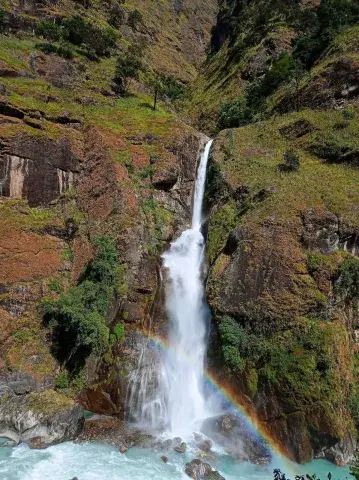
Landscape and Scenery: Despite the challenges, the monsoon season transforms Nepal into a lush, verdant paradise. Hills and valleys are covered in a blanket of greenery, and waterfalls cascade down cliffs and hillsides. The rivers and streams swell with rainwater, creating picturesque scenes that contrast with the snowy peaks of the Himalayas in the background.
Challenges and Impact: The monsoon season also brings challenges such as landslides and flooding, particularly in areas with steep terrain or poor infrastructure. Roads may become impassable, disrupting travel and transport in some regions. In urban areas like Kathmandu, drainage systems can become overwhelmed, leading to waterlogging and sanitation issues.
Tourism and Travel: Monsoon season sees a decrease in tourist arrivals compared to peak seasons like autumn and spring. However, adventurous travelers can still explore certain regions like the rain-shadow areas of Mustang and Upper Dolpo, which receive significantly less rainfall and remain accessible during this time.
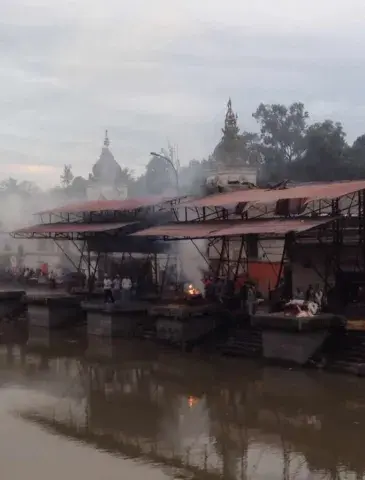
Culture and Festivals: Despite the rain, monsoon season in Nepal is not without its cultural significance. The festival of Teej, celebrated by Hindu women with fasting and prayers for marital bliss and prosperity, occurs during this time. Additionally, the month of Shrawan (July-August) sees many Hindu devotees visiting temples, especially Pashupatinath in Kathmandu, to offer prayers and seek blessings.
Wildlife and Conservation: Monsoon season is a critical time for Nepal's diverse wildlife and conservation efforts. National parks and wildlife reserves like Chitwan and Bardia come alive with lush vegetation, providing ample food and shelter for animals. It's a great time for wildlife enthusiasts to observe animals in their natural habitat, although conditions can be wet and muddy.
In conclusion, the monsoon season in Nepal is a time of contrasts – from the beauty of verdant landscapes to the challenges posed by heavy rainfall. It plays a crucial role in Nepal's ecosystem, agriculture, and culture, shaping life in the country in myriad ways. Understanding and embracing the nuances of Nepal's monsoon season enriches one's experience of this dynamic and diverse country.
Weather in Nepal
Nepal, a country nestled in the Himalayas, experiences a diverse range of weather patterns and distinct seasons due to its varied topography and altitude....
Nepal, a country nestled in the Himalayas, experiences a diverse range of weather patterns and distinct seasons due to its varied topography and altitude. The climate in Nepal is broadly categorized into four main seasons: spring, summer (monsoon), autumn, and winter, each bringing unique characteristics to the country's environment.
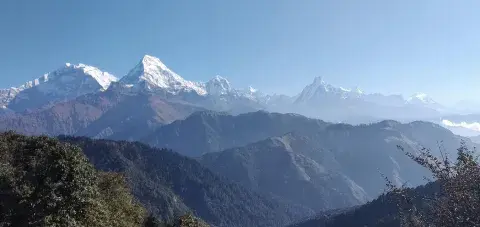
Spring (March to May)Spring in Nepal is a season of renewal and growth. Temperatures begin to warm up after the chilly winter months, ranging from 16°C to 23°C (61°F to 73°F) in the Kathmandu Valley, though it can be cooler at higher altitudes. The countryside bursts into life with blooming rhododendrons, magnolias, and other flowers, particularly in the hilly regions. This season is also ideal for trekking, as the skies are generally clear, offering spectacular views of the snow-capped Himalayas. Wildlife is more active, and birdwatching becomes a popular activity.
Summer/Monsoon (June to September)The summer season coincides with the monsoon, which significantly influences Nepal’s climate. During this period, the country receives heavy rainfall, particularly from July to August. The monsoon rains are vital for agriculture, replenishing water supplies and supporting the growth of crops such as rice, maize, and millet. However, the heavy rains can also lead to challenges such as landslides, especially in mountainous areas, and flooding in the Terai plains. Temperatures in the lowland Terai region can soar above 30°C (86°F), while the hills and mountains remain cooler.
Autumn (October to November)Autumn is perhaps the most celebrated season in Nepal, known for its stable weather and clear skies. Following the monsoon, the air is clean and visibility is at its best, making it the peak trekking season. Temperatures are moderate, ranging from 15°C to 24°C (59°F to 75°F) in the Kathmandu Valley. This season is marked by major festivals such as Dashain and Tihar, which are celebrated with much enthusiasm and cultural richness. The countryside is lush and green, having been rejuvenated by the monsoon rains.
Winter (December to February)Winter in Nepal brings cold weather, especially in the higher altitudes. In the Kathmandu Valley, temperatures can drop to around 2°C to 12°C (36°F to 54°F), while the mountainous regions experience much harsher conditions, with heavy snowfall at higher elevations. The Terai region remains milder but can experience cold waves. Despite the chill, winter skies are often clear and blue, offering stunning mountain vistas. This season is less popular with tourists, but those who visit can enjoy a quieter, more serene experience.
Regional VariationsNepal's diverse geography means that weather conditions can vary significantly across the country. The Terai plains in the south have a subtropical climate, with hot summers and mild winters. The hilly regions experience a temperate climate, with distinct seasonal changes. In contrast, the high Himalayan region has an alpine climate, with cold temperatures year-round and heavy snowfall in winter. These variations create a rich tapestry of microclimates, each supporting different forms of flora and fauna.
Climate Change ImpactIn recent years, Nepal has been increasingly affected by climate change. Glacial melting in the Himalayas poses a threat to downstream water supplies and increases the risk of glacial lake outburst floods. Changes in precipitation patterns can affect agriculture and water resources, posing challenges for rural communities dependent on farming.
In conclusion, Nepal's weather and seasons are characterized by a remarkable diversity, influenced by its varied geography and altitude. From the lush plains of the Terai to the towering peaks of the Himalayas, each season brings its own beauty and challenges, shaping the lives and livelihoods of its people.
4o
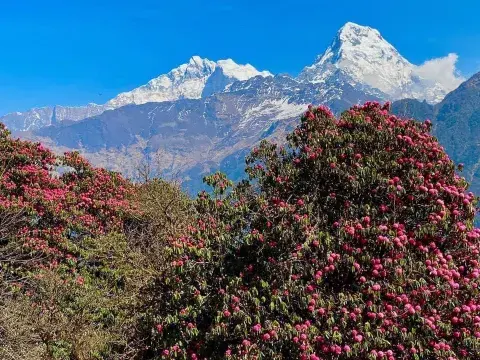
Nepal Tour Guide
Namaste! Welcome to Nepal, a land of breathtaking landscapes, rich cultural heritage, and warm hospitality. I'd be delighted to be your tour guide and show you the wonders of this beautiful country....
Namaste! Welcome to Nepal, a land of breathtaking landscapes, rich cultural heritage, and warm hospitality. I'd be delighted to be your tour guide and show you the wonders of this beautiful country. Whether you are interested in exploring historical sites, going on thrilling adventures, or simply immersing yourself in the local culture, Nepal has something for everyone.
Here's an overview of some of the must-visit places and activities during your Nepal tour:
Kathmandu Valley:
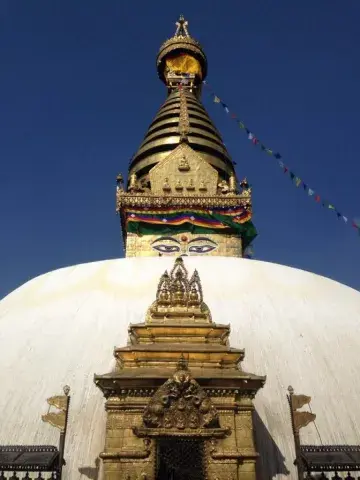
- Kathmandu: The capital city, where you can visit UNESCO World Heritage Sites like Kathmandu Durbar Square, Swayambhunath Stupa (Monkey Temple), Boudhanath Stupa, and Pashupatinath Temple.
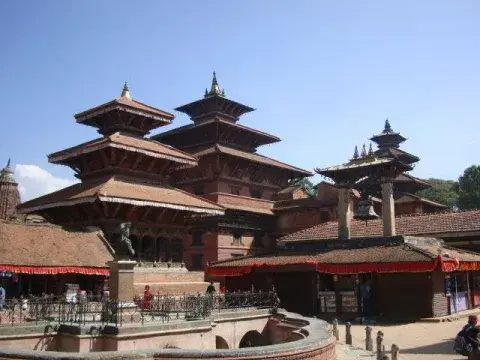
- Patan: Another ancient city with its own Durbar Square and numerous artistic wonders.
- Bhaktapur: Renowned for its well-preserved medieval architecture, pottery, and woodwork.
Pokhara:
- A scenic city nestled beside the serene Phewa Lake and surrounded by the Annapurna mountain range.
- Enjoy boating on the lake, visit the World Peace Pagoda, and hike to viewpoints like Sarangkot for sunrise or the famous Australian Base Camp trek.
Trekking in the Himalayas:
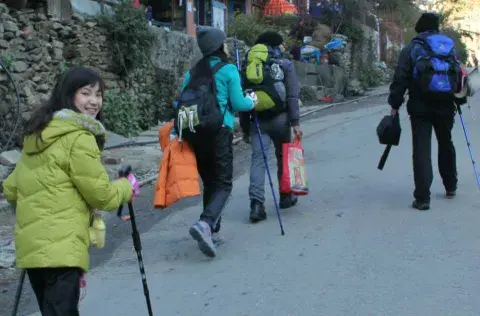
- Nepal is a trekker's paradise with famous routes like the Everest Base Camp Trek, Annapurna Circuit Trek, Langtang Valley Trek, and more.
- Experience the unique culture of mountain villages, breathtaking landscapes, and majestic peaks.
Chitwan National Park:
- A UNESCO-listed national park famous for its wildlife, including endangered species like the one-horned rhinoceros and Bengal tiger.
- Enjoy jungle safaris, birdwatching, canoeing, and a chance to experience the local Tharu culture.
Lumbini:
- The birthplace of Lord Buddha, a significant pilgrimage site for Buddhists.
- Explore the Maya Devi Temple and various monasteries built by different countries.
Adventure sports:
- Nepal offers a wide range of thrilling activities like white-water rafting, paragliding, bungee jumping, and mountain biking.
Cultural Experiences:
- Participate in local festivals, try traditional Nepali cuisine, and interact with friendly locals.
Remember, Nepal's beauty lies not only in its landscapes but also in its people and their warm hospitality. Respect the local customs and traditions, and you'll have an unforgettable experience.
Please let me know your interests and preferences, and I'll be more than happy to tailor the tour according to your needs. Let's make your Nepal adventure an incredible journey!
Top Kathmandu Tours
$2000 Per Day
Kathmandu, Chitwan, Lumbini & Bardiya Tour -10 Days
Kathmandu, Chitwan, Lumbini & Bardiya Tour -10 Days
This Kathmandu Chitwan, Lumbini and Bardiya tour package is popular tour package in Nepal. Exploring the historical places and culturally rich sites of Kathmandu city, enjoying the beauty of Pokhara city by visiting the lakes, mountains, ethnic peoples and wonderful nature and doing the jungle safari activities in Chitwan National park, your Nepal tour will be an unforgettable memory....Read more
Kathmandu, Chitwan, Lumbini & Bardiya Tour -10 Days
This Kathmandu Chitwan, Lumbini and Bardiya tour package is popular tour package in Nepal. Exploring the historical places and culturally rich sites of Kathmandu city, enjoying the beauty of Pokhara city by visiting the lakes, mountains, ethnic peoples and wonderful nature and doing the jungle safari activities in Chitwan National park, your Nepal tour will be an unforgettable memory.
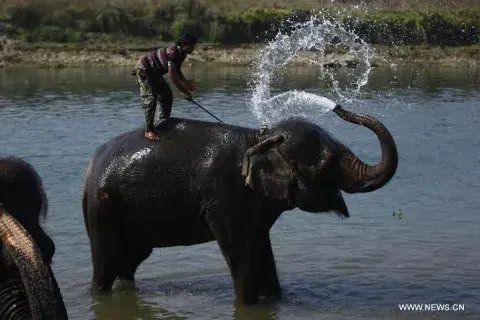
Kathmandu offers world heritage sites visit, temples and monasteries, museum and enjoy with the local Newari cultural in the first two days. Driving across the mid hill region let you to know the Nepal's midhill settlements and geographical variations. Pokhara offers the beautiful lakes and breathtaking mountain scenery to make holiday memorable. Boating in the fewa lake, visiting world peace stupa, mountain museum, age old caves and falls amaze you more. Chitwan, the first and renowned national park offers elephant riding, jungle walking, and jeep drive to see birds, canoeo ride in Rapti River, Tharu cultural show and much more. You will see one horn Rhinos, Crocodiles, different types of birds, leopards and Bengal tiger.
Fact of the tour
Destination: Kathmandu, Chitwan and Bardiya
Tour Starts: Kathmandu
Tour End: Kathmandu
Activities: Sightseeing, jungle safari, Hindu temples
Transportation: Private/public vehicle and flight
Best season: All Around year
Group size: 1+
Accommodation: Hotel / Resort
Trip cost US$2000
Single supplement charge: 20 % extra in total trip cost.
Single traveler charge: 40 % extra in total trip cost.
(USD 100 extra per room per night is required, if you wish to upgrade the accommodation to a five-star hotel in Kathmandu)
Itinerary
Kathmandu Chitwan Lumbini Bardiya Tour Itinerary
Day 01: Arrival in Kathmandu, transfer to hotel. Overnight at hotel in Kathmandu
Day 02: Full day sightseeing of Kathmandu city by English speaking tour guide. We visit kathmandu Durbar Square, Pashupatinath, Bouddhanath and Swoyambhunath stupa.
Day 03: Drive from Kathmandu to Chitwan national park. Overnight at a lodge by the side of the Park. In the evening enjoy Tharu cultural show.
Day 04: After having breakfast, Jungle activities like canoeing, elephant back safari, visiting elephant breeding centre and bird watching. Sunset view from Rapti river bank.
Day 05: Drive from Chitwan to Lumbini and sightseeing of Lumbini. Overnight at hotel in Lumbini
Day 06: Drive to Bardiya, Overnight at resort in Bardiaya national park
Day 07/08: Full day jungle activities, overnight at resort
Day 09: Drive to Nepaljung and fly back to Kathmandu
Day 10: Departure
Cost Include
•Airports pick and drop by our private vehicle
•Three star hotel in Kathmandu with BB plan
•All road transportation by Private vehicle and single way flight to Kathmandu from Napaljung
•City sightseeing by Government license holder English speaking Tour guide
•Entrance fee in temple area and Durbar Squares
•Welcome and Farewell dinner
• Full package of Chitwan and Bardiya
Cost Exclude
• international airfare
•Nepal Visa fees & travel insurance
•Any kinds of personal expenses
•Any drinks like alcohol, mineral water, juice
•Tips to guide and driver
•Any meal in Kathmandu and Lumbini
•Emergency rescue not expected expensive due to cause of out of our control.
(Note: Everest Mountain flight, Bungee jumping in Bhotekhosi, white water rafting etc are additional things to do with this trip. If you are interested please request us for organize.)
$1500 Per Day
NEPAL ROUND TOUR 16 DAYS
Nepal Round tour 16 Days
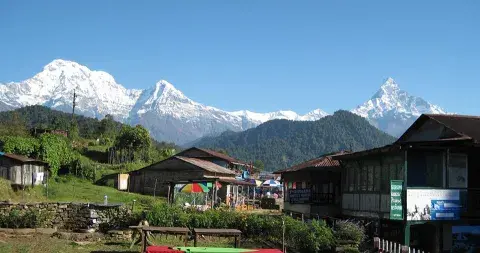
This tour beging with sight-seeing tour to medieval towns of Kathmandu Valley and on to a beautiful city of Pokhara. A gentle walk in the low-laying hills fringing the near of Pokhara,designed for the first time trekkers, culturelly rich in the villages one passes through and an ever increasing magic in the build-up of mountain views till a climax from the Poon Hill and down to lowland Lumbini, birth place of Lord Buddha and onto Chitwan National Park for the wildlife activities and drive back to Kathmandu is an experience of Nepal with in a 16 days.
Day 01: Arrive Kathmandu.Reception and transfer to Hotel.
Day 02: Sight-seeing tours to Swyambhunath,Old Kathmandu,Pashupatinath Temple and Boddhanath Stupa.
Day 03: Drive to Pokhara. Drive on to Nayapul and commance trek to Hille at 1495m, which is located on a hill and offers excellent view of the mountains. Overnight at lodge.
Day 04: Trek to Ghorepani 2834m.Overnight at lodge.
Day 05: Make predawn excursion to Poon Hill 3191m for marvellous views of Dhaulagiri and Annapurna Himals,return to Ghorepani for breakfast. Continue discent through rhododendron forest past Deurali and lunch place-Banthanti. Again take the trail left of the fork ascending gently to Tadapani for overnight.
Day 06: Ghandrung - a descent to a stream than another climb again through forest to the flagstone-lined up streets of the Gurung settlement in the area, reacheed to Ghandrung for overnight.
Day 07: Descend to the river and cross the bridge and walk through fields past beautiful waterfall keeping to the river for 2,1/2 hour then climb to Landrung. 45 minutes out of the Landrung, reach Tolkha in magnificent oak forest. Potana 1870m is reached in about 3 hours from Tolkha.
Day 08: In an hour reach Dhampus 1580m,sprawled out at the end of the ridge then descend steeply to the valley floor. Drive back to Pokhara.Overnight at hotel.
Day 09: Sight-seeing tours to Pokhara and boating in Phewa lake.
Day 10: Drive 123km. to Tansen,a 17 century city and offers the best view of the western Himalayas of Nepal from Srinagar.Overnight at hotel.
Day 11: Drive to Lumbini- the birth place of Lord Buddha. Sight-seeing of the area and overnight at hotel.
Day 12: Drive to Chitwan National Park. Overnight at jungle lodge.
Day 13: In the Park,Jungle activities – elephant riding etc.
Day 14: Drive back to Kathmandu, overnight at hotel.
Day 15: Half day sight-seeing tour to Bhaktpur Durbar Square.
Day 16: Departure transfer.
Cost included services
1. All airport transfer
2. Sightseeing with all entrance
3. Hotel in Kathmandu and Pokhara with Breakfast
4. 6 days trek with all meals
5. Porters and Sherpa Guide during trekking
6. Trekking Permit and Conservation Fees
7. Hotel Tansen and Lumbini with Breakfast and Dinner
8. Chitwan National Park with all meals and Jungle activities
9. Overland drive by Private Car/Bus
Not Included Services
1. Personal Bill
2.Tips
$1400 Per Day
Discover Nepal Tour Package -10 Days
Discover Nepal Tour Package -10 Days
Destination: Kathmandu, Chitwan, Lumbini, Tansen and Pokhara
Tour Starts: Kathmandu
Tour End: Kathmandu
Activities: Sightseeing, jungle safari, birthplace of Buddha, Hindu temples
Transportation: Private vehicle
Best season: All Around year
Group size: 1+
Accommodation: Hotel / Resort
Trip cost: USD 1400
Single supplement charge: 20 % extra in total trip cost.
Single traveler charge: 35 % extra in total trip cost.
Itinerary ...Read more
Discover Nepal Tour Package -10 Days
Destination: Kathmandu, Chitwan, Lumbini, Tansen and Pokhara
Tour Starts: Kathmandu
Tour End: Kathmandu
Activities: Sightseeing, jungle safari, birthplace of Buddha, Hindu temples
Transportation: Private vehicle
Best season: All Around year
Group size: 1+
Accommodation: Hotel / Resort
Trip cost: USD 1400
Single supplement charge: 20 % extra in total trip cost.
Single traveler charge: 35 % extra in total trip cost.
Itinerary
Day 01: Kathmandu Arrival
Arrive in Kathmandu airport where you will be welcomed by our representative who will drive you to the Hotel. Welcome dinner at Nepalese restaurant with cultural show.
Day 02: Kathmandu Valley City Tour
Day 03: Drive to Chitwan National Park
Day 04: Safari Excursion in Chitwan National Park
Day 05: Chitwan to Lumbini
Day 06: Lumbini to Tansen
Day 07: Tansen to Pokhara
Day 08: Sightseeing in Pokhara Valley
Day 09: Drive/Fly from Pokhara to Kathmandu
Day 10: Final Departure
Cost Include(s)
• All mentioned accommodation in a Hotel with breakfast
• Full Package including meals, accommodation, national park fees and fees for all activities in Chitwan National Park.
• All transportation
•Major monument entrance fees
• All sightseeing tours accompanied by local guide
• Welcome and Farewell dinner
Cost Exclude
•Nepal entry visa fee
• Lunch and Dinner except for Chitwan National Park
•Beverages and alcoholic drinks
• Tips for tour staff and driver. (Tipping is expected)