Beijing Miyun Bailongtan
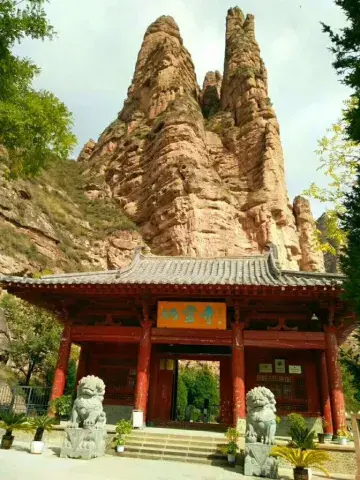
Bailongtan scenic spot is located at the foot of Yanshan Great Wall, in Longtan mountain, Taishitun Town, 30 kilometers northeast of Miyun city. It is 100 kilometers away from Beijing. Since the Han Dynasty, according to the saying that Yinglong can make clouds and rain, a white dragon has lived ...
Bailongtan scenic spot is located at the foot of Yanshan Great Wall, in Longtan mountain, Taishitun Town, 30 kilometers northeast of Miyun city. It is 100 kilometers away from Beijing. Since the Han Dynasty, according to the saying that Yinglong can make clouds and rain, a white dragon has lived in the deep pool for a long time, spreading drizzle widely and benefiting the common people. Su Zhe in the Northern Song Dynasty wrote a poem that "the white dragon drinks the pool in the daytime, repairs the tail and hangs the back wall".

Yunmeng Mountain Beijing
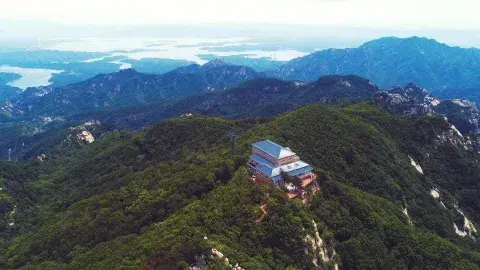
Yunmeng Mountain National Forest Park is located in the west of Miyun city. Yunmeng Mountain, known as Yunmeng Mountain in ancient times, is a famous natural scenic spot in the suburbs of Beijing. The park covers a total area of 2208 hectares and the main peak is 1414 meters above sea level. The ...
Yunmeng Mountain National Forest Park is located in the west of Miyun city. Yunmeng Mountain, known as Yunmeng Mountain in ancient times, is a famous natural scenic spot in the suburbs of Beijing. The park covers a total area of 2208 hectares and the main peak is 1414 meters above sea level. The park is rich in landscape resources. It is a scenic spot in the suburbs of Beijing with the characteristics of mountain scenery. It is known as "xiaohuangshan" in the north.

Beijing Nanshan Ski Resort
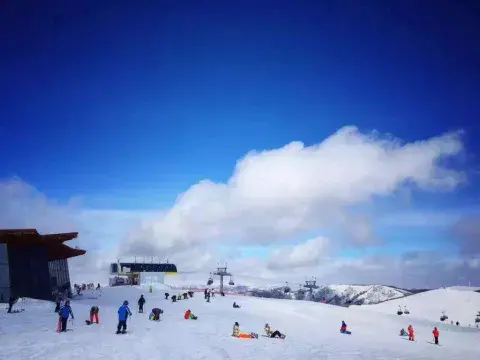
Beijing Nanshan Ski Resort is located in Miyun District, northeast of the capital suburb. It is about 3km south of the urban area and 62km away from wangheqiao, Beijing. It is a large and medium-sized ski resort in the suburbs of Beijing, which can be reached within 60 minutes by car. Covering an...
Beijing Nanshan Ski Resort is located in Miyun District, northeast of the capital suburb. It is about 3km south of the urban area and 62km away from wangheqiao, Beijing. It is a large and medium-sized ski resort in the suburbs of Beijing, which can be reached within 60 minutes by car. Covering an area of more than 4000 mu, the ski resort is the only winter resort integrating skiing, skiing, ice climbing and other sports in Beijing and North China.

Lijiang Baoshan stone village
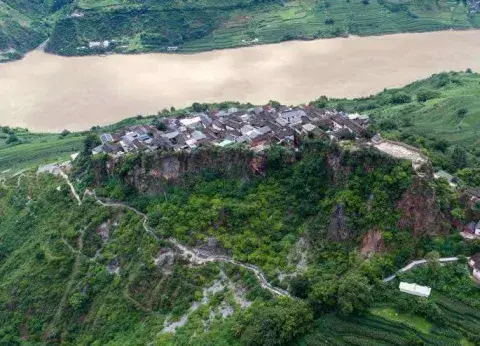
Baoshan stone village is 110km north-west of Lijiang city, behind of Jade dragon mountain scenic area.
Located on a huge rock near Yangtze river, with 3 direction on the steep cliff , only had 2 entry stone gate in westside and east side.
The Naxi ancestors migrated ...
Baoshan stone village is 110km north-west of Lijiang city, behind of Jade dragon mountain scenic area.
Located on a huge rock near Yangtze river, with 3 direction on the steep cliff , only had 2 entry stone gate in westside and east side.
The Naxi ancestors migrated to here in the 5th and 6th century and settled down on the huge rock, they worked very hard to make terraced land near stone village, the farm production here are mainly crops, beans and wheat and rice.
In 1253th, Mogolian military under the leadership of Kublaikhan crossed the Yangtze river nearby and had their military base in the stone village.
Naxi people make good use of the landfrom and building the village like a slop on the rock, when you walk into the family, you can still see many old stone oven, stone beds and stone water container. Autumn is a good season to visit stone village as you can see golden coloer crops and blue Color Yangtze river in the far distance .

Lijiang Wenchang palace
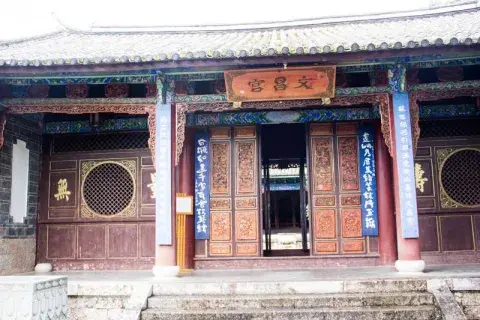
WenChang palace in Lijiang was built in 1723AD in Qing dynasty, it is a Daoism temple but also a mixture of Buddhism, Taoism and Confucianism .
It is the largest Temple park in Lijiang old town. Important ceremonies are hosted by local officials i...
WenChang palace in Lijiang was built in 1723AD in Qing dynasty, it is a Daoism temple but also a mixture of Buddhism, Taoism and Confucianism .
It is the largest Temple park in Lijiang old town. Important ceremonies are hosted by local officials in ancient time on the 3rd of February in the lunar calendar. celebrities, scholars, students will take part in the ceremonies to worship the god of Wisdom, Sacrifices are offered in the temple, praying for rain and good harvest, Good fortunes for Students in the exams and good fortune for wealth.
You can see some old photo of Joseph Rock's advantures around Yunnan and Tibet in 1930th in the exbition room. there is a old town viewing point outside of the Temple, you can enjoy a bird eye view of Lijiang old town and roofs from there.

Bingling Temple Grottoes
Lying in about 100 kilometers southeast of Lanzhou, Bingling Temple is a series of grottoes filled with Buddhist sculpture carved into natural caves and caverns in a canyon along the Yellow River. It is regarded as one of the Three Grottoes in Gansu Province, and one of the Five Grottoes in China...
Lying in about 100 kilometers southeast of Lanzhou, Bingling Temple is a series of grottoes filled with Buddhist sculpture carved into natural caves and caverns in a canyon along the Yellow River. It is regarded as one of the Three Grottoes in Gansu Province, and one of the Five Grottoes in China, which is very grand and splendid above the ground.
Bingling Temple Grottoes boasts its vivid sculptures and paintings with a simple and brand new style, inheriting the folk arts as well as integrating the exotic Buddhism arts. The grottoes of Bingling Temple were made in Wei, Sui, Tang, Song, Yuan, Ming, and Qing dynasties, illustrating the typical artwork from the corresponding dynasty. However, because of earthquakes, erosion and looters over the centuries, there are only 183 caves, 694 stone statues, and 82 clay sculptures that remain in Bingling Temple. The relief sculpture and caves filled with buddhas and frescoes line the northern side of the canyon for about 200 meters. Each cave is like a miniature temple filled with Buddhist imagery.

Jiaju Tibetan village
Located in Danba county in the west part of Sichuan province on the Henduan mountain range, near the slope near Dadu river valley. Jiaju village is just like a " hidden paradise" .
Jiaju in Tibetan language means"a villages with one handred families", the...
Located in Danba county in the west part of Sichuan province on the Henduan mountain range, near the slope near Dadu river valley. Jiaju village is just like a " hidden paradise" .
Jiaju in Tibetan language means"a villages with one handred families", the village is located on the slope on the foot of snow mountain. with its unique architectures (Tibetan building and fotress towers ) and Tibetan ethnic culture, Jiaju village was chosen to be "One of the 6 most beautiful villages in China in 2005.
The village is on the travel route of West Sichaun trip, if you start the trip from Chengdu, you will pass by Dujianyan irregation, Wolong giant panda base, then siguniangshan(Four gilrs mountain), Xiaojin county, then arrive Danba. Continue the trip, you will pass by Bamei, Tagong grassland, Xinduqiao, Litang county then reach Daocheng county.
It a nice road trip if you travel with private car with driver.
China Science and Technology Museum
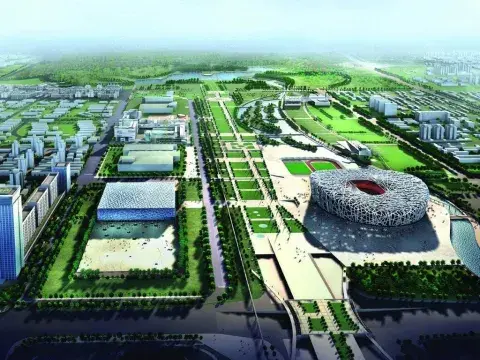
The new hall of China Science and Technology Museum has five theme exhibition halls of "Science Park", "light of China", "exploration and discovery", "science and technology and life", "challenge and future", public space exhibition area and four special effects cinemas, including ball screen cin...
The new hall of China Science and Technology Museum has five theme exhibition halls of "Science Park", "light of China", "exploration and discovery", "science and technology and life", "challenge and future", public space exhibition area and four special effects cinemas, including ball screen cinema, giant screen cinema, dynamic cinema and 4D cinema. Among them, the ball screen cinema has two functions of dome film projection and sky display.