Shanxi Province Attractions
Shanxi Province Articles
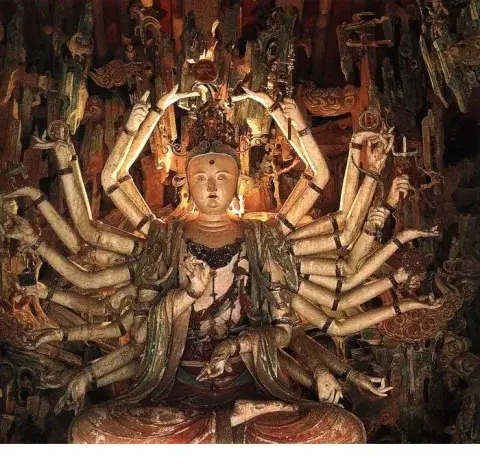
Who is Guanyin(观音)?
According to the Buddhist classics, Guanyin was the first son of the Holy King in charge of reincarnation. He has many followers and is considered the most well-known Bodhisattva in China....
According to the Buddhist classics, Guanyin was the first son of the Holy King in charge of reincarnation. He has many followers and is considered the most well-known Bodhisattva in China. Guanyin has 33 various names and images , including an image with 1.000 hands , an image with 11 faces and an image with 48 arms.
Guanyin is extremely popular among the Chinese women . Since the Tang Dynasty , Guanyin became a female Bodhisattva, the only female figure among numerous manifestations of Buddha. This is unique in Chinese Buddhism and reflects Chinese characteristics.
Meanings in a Chinese Name
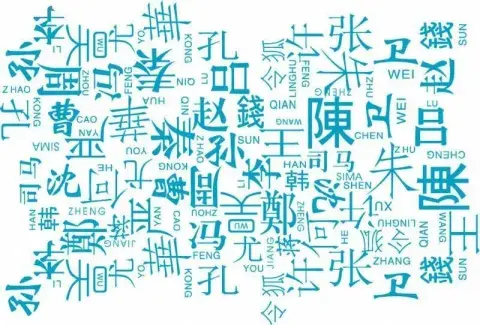
The meanings in a Chines name are reflected in the combination of the characters , which are influenced either by elements of culture or era. Unlike in a western name , the family name in a Chinese name comes before the first name....
The meanings in a Chines name are reflected in the combination of the characters , which are influenced either by elements of culture or era. Unlike in a western name , the family name in a Chinese name comes before the first name. There are also meanings in a Chinese name.Usually the cultural influence is stronger in the characters for family names , Any character that has the particle that means woman suggests its traces back to the matriarchal society. Some family names originated either in official titles or occupation or in animals of worship. A few others come from numbers.
Peking Opera Costume
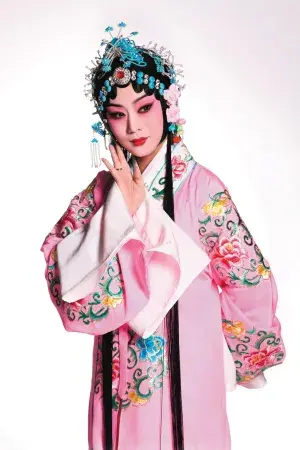
Peking Opera is the cream of Chinese culture. The costumes and facial masks are more attractive, There is a very distince Ming Dynasty influence on Peking Opera costumes , They are very colorful and majestic....
Peking Opera is the cream of Chinese culture. The costumes and facial masks are more attractive, There is a very distince Ming Dynasty influence on Peking Opera costumes , They are very colorful and majestic. Two long pieces of white silk at the end of the sleeves create a graceful feeling during dancing. Different styles of the costumes are used to reflect the status of different characters. There are more decorations in the costumes of the nobles , while those for the poor tend to be simple and less ornamental . But the same materials are used for all costumes to ensure the desired theatrical presentation. Present day designers are also borrowing from the Peking Opera for their work.
Top Shanxi Province Tours
$53 Per Day
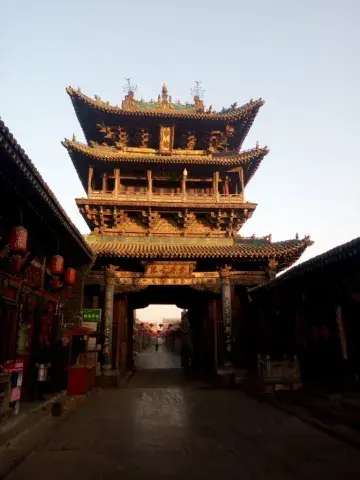
Pingyao Highlights Walking Tour
Pingyao Highlights Walking Day Tour
With our guide to know the Ancient Pingyao better!
Our guide will meet you at your hotel lobby at 08:00 or 08:30, then show you the ticket office to get the ticket for the museums we will visit later.
...Read morePingyao Highlights Walking Day Tour
With our guide to know the Ancient Pingyao better!
Our guide will meet you at your hotel lobby at 08:00 or 08:30, then show you the ticket office to get the ticket for the museums we will visit later.
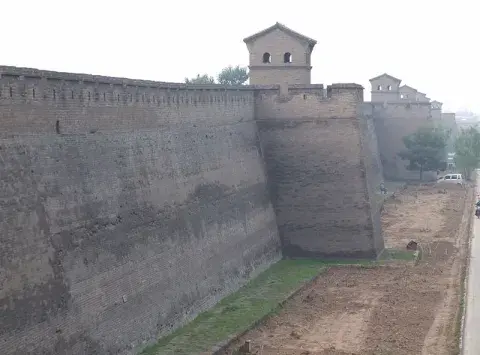
First we will visit the 700 years old City wall, We will climb up from south gate and have a walk on the wall. We are not sure how many km we can walk, because of the renovating of the wall. Normally we will walk from south gate to the Yunlu Exit.
Then visit the Confucius temple, there is a old building named Dacheng Hall which is over 840 years old. From outside, we can see the big wood joints to lift the big roof around the building which is named Dougong. Due to this design, there are less columns inside the hall for giving the big space for the statues and the prayer. We have chance to see the Confucius statue and learn the philosophy of Confucius. If you like, you can pray for you and your children to get better study.
There is the Paper Cutting master named Wentao nearby the exit of Confucius temple. She is very smart and create the new style paper cutting with much more details and good wishes on it. Her products are made by hanks. It is worth to visit and buy as a souvenir from Pingyao. From the table standing and wall hangings. Please remember, take the red one because of red is the traditional and happy color. But the white one is the best. It is really difficult to choose, because of all of them are really nice.
Then you can have coffee break or tea break if you need at Chummy coffee, after this, visit the City god temple (ChenghuangMiao) which is most beautiful temple inside the wall. Because of the roof is covered by the colorful glazed tiles. There is not only city god and also the three money gods, Now you know why pingyao was the financial center.
Next we will visit the Ancient government building, to see the pingyao politics center in the ancient time. It is the complete building with officials bed room, kitchen and private garden. Follow the guide to look the official’s life from the 250km far away from the hometown.
Have a stroll in the alley to the Rishengchang exchange bank, which is the first bank all of china.You can not miss it.
After lunch, walk to the Ming and Qing street, this is the shopping street full of the stores on the both side of street. You can find alot things here , from post card to lacquered boxes, and wall panels. One more place to see, it is the Armed escort agency also named security and transport service for the business man before the bank founded.
Inlcusions
1.private english speaking tour guide servcie
2.bottle water for the tour
$588 Per Day
3 Days Pingyao Elite Tour
Day 1
Arrive Pingyao
Arrive in Pingyao, you will be met at the train/bus station and then transferred to your hotel. Free at leisure for the rest of the day.
Meals: No meal
Accommodation: In Pingyao
Day 1
Arrive Pingyao
Arrive in Pingyao, you will be met at the train/bus station and then transferred to your hotel. Free at leisure for the rest of the day.
Meals: No meal
Accommodation: In Pingyao
The ancient town of Pingyao had been emerged gradually along with the city wall during the Zhou Dynasty 11th century -256 BC. It is the only ancient city in China completely reserved as it was hundreds of years ago without any modern architecture, but only the narrow street flanking with Chinese shops in old style and the road plated with the original stone. Pingyao is not only famous for its antiquity, but also for being the merchant center with the nation's earliest bank established in the 19th century, and furthermore it was once served as the financial center of the Qing government.
Day 2
Pingyao
Enjoy your one day relaxing visit around this ancient town covering Wang's Courtyard, Shuanglin Temple. After the tour, be transferred back to your hotel.
Meals: Breakfast, Lunch
Accommodation: In Pingyao
The Wang's Courtyard is 35 km from the Ancient City of Pingyao. Acclaimed as the "First Folk Residence in Cathay", it is the largest-existing folk residence cluster in China and a model of the merchant family's residence in North China's Shanxi Province, demonstrating the quintessence of Chinese architectural art and cultural values. This luxurious residence covers about 45,000 square meters with 123 compounds and 1,118 rooms and took about half a century (1762-1811) to build.
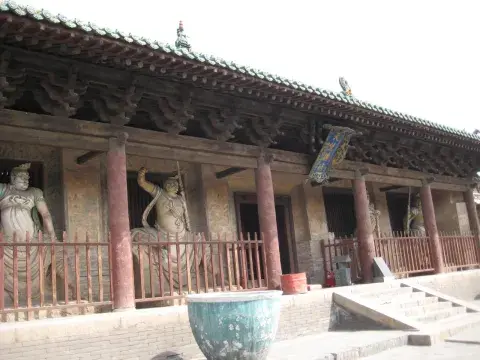
The Shuanglin Temple is a large Buddhist temple, part of the World Heritage Site of Pingyao, stands in the countryside about 7 kilometers southwest of the ancient city. It was originally founded in the 6th century during the Northern Wei period, although the present buildings date to the Ming and Qing dynasties. It is notable for its collection of over two thousand decorated clay statues dating from the 12th-19th centuries.
Day 3
Departure Pingyao
Say goodbye to Pingyao and continue your tour to next city.
Meals: Breakfast
Service Ends
$999 Per Day
7 Days Shanxi Highlights tour
Day 01 Arrival in Datong (no meal)
Arrival in Datong by train or bus in the evening, be picked up and transferred to the hotel.
Day 02 Datong (B, L)
Visit the UNESCO World Cultural Heritage site – Yungang Grottoes. Then proceed to ancient Huayan Temple of Liao and Jin Dynasty and Nine Dragon Screen.
Day 03 Datong – Mount Wutai (B, L)
Drive to visit Hanging Temple, Wooden Pagoda at Ying County, which is the oldest existent fully wooden pagoda still standing in China, first built in 1056. Overnight at Wutaishan city....Read more
Day 01 Arrival in Datong (no meal)
Arrival in Datong by train or bus in the evening, be picked up and transferred to the hotel.
Day 02 Datong (B, L)
Visit the UNESCO World Cultural Heritage site – Yungang Grottoes. Then proceed to ancient Huayan Temple of Liao and Jin Dynasty and Nine Dragon Screen.
Day 03 Datong – Mount Wutai (B, L)
Drive to visit Hanging Temple, Wooden Pagoda at Ying County, which is the oldest existent fully wooden pagoda still standing in China, first built in 1056. Overnight at Wutaishan city.
Day 04 Mount Wutai – Taiyuan (B, L)
Half day tour to Mount Wutai, one of the four holy mountains for Buddhists in China, you will tour the Xiantong Temple, Pusading Temple and Tayuan Temple. After lunch, drive 4 hours to Taiyuan, the capital city of Shanxi Province.
Day 05 Taiyuan - Pingyao (B, L)
After breakfast, transfer to visit Jinci Temple, which was founded about 1,400 years ago, boasting a diverse collection of more than 100 sculptures, buildings, terraces, and bridges. Then proceed to Pingyao, you will visit Qiao Family Compound and Double Forest Temple before checking into the hotel.
Day 06 Pingyao (B, L)
Explore the old town of Pingyao escorted by your guide, including the visits to the city wall, Rishengchang Draft Bank and Ming and Qing Street. Free time at the rest of the day.
Day 07 Pingyao – Taiyuan departure (B)
Drive to Taiyuan, and board the flight or train to your next destination.
End of service.