Nuo Deng Village
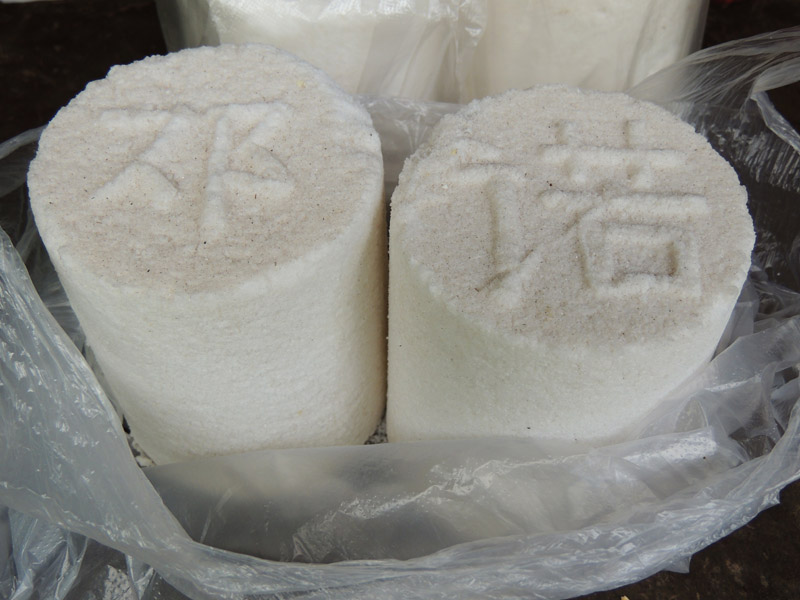
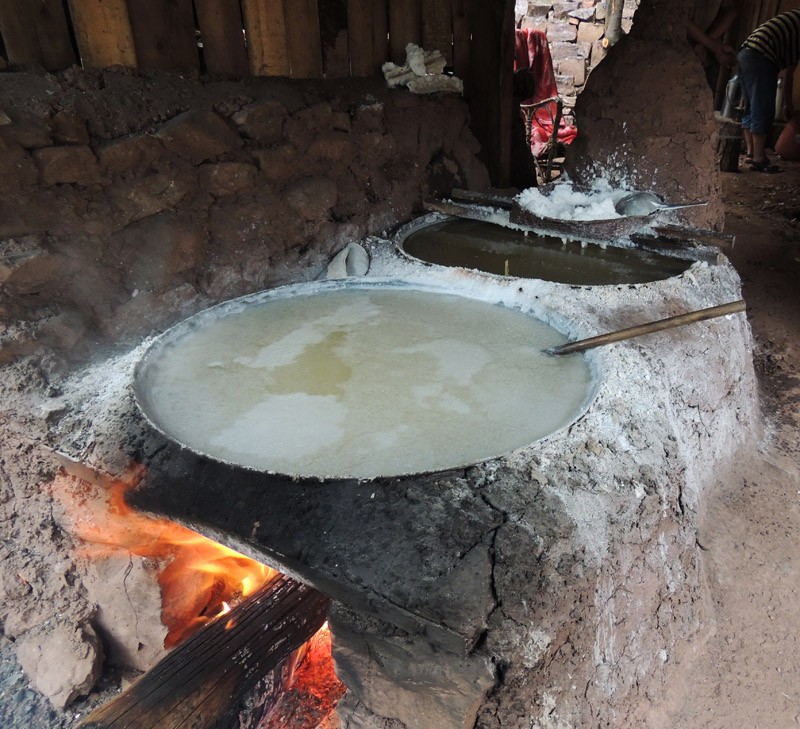
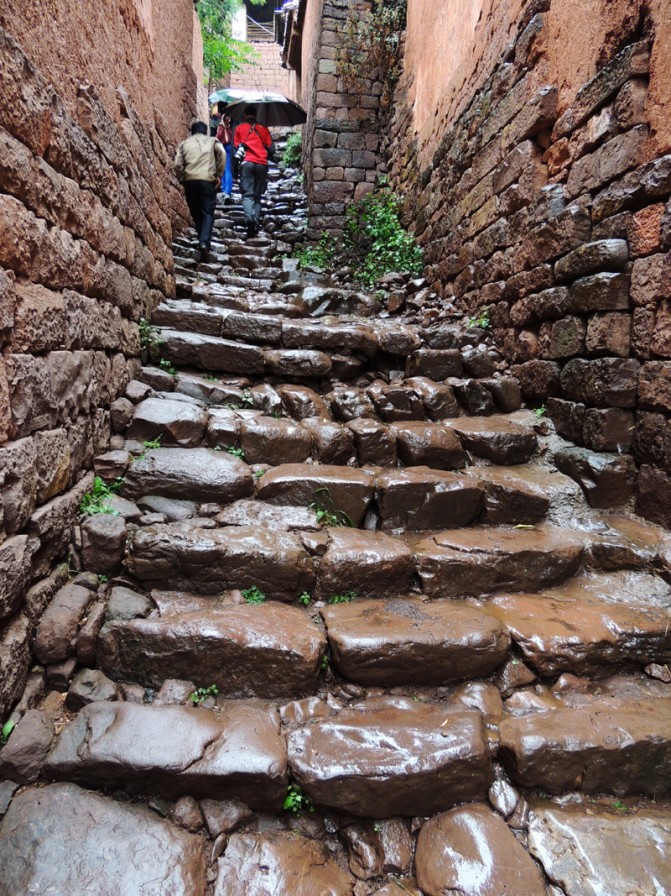
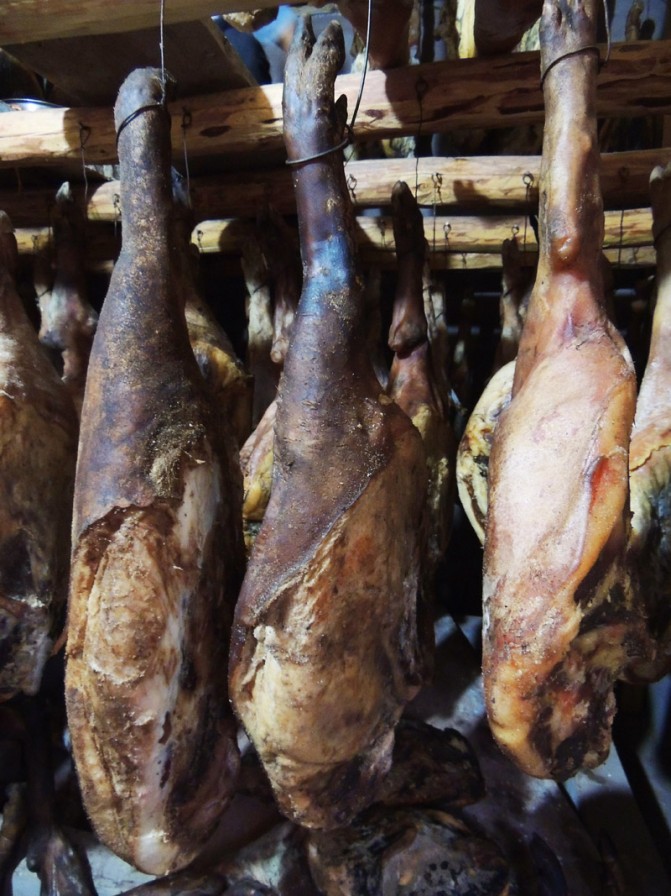
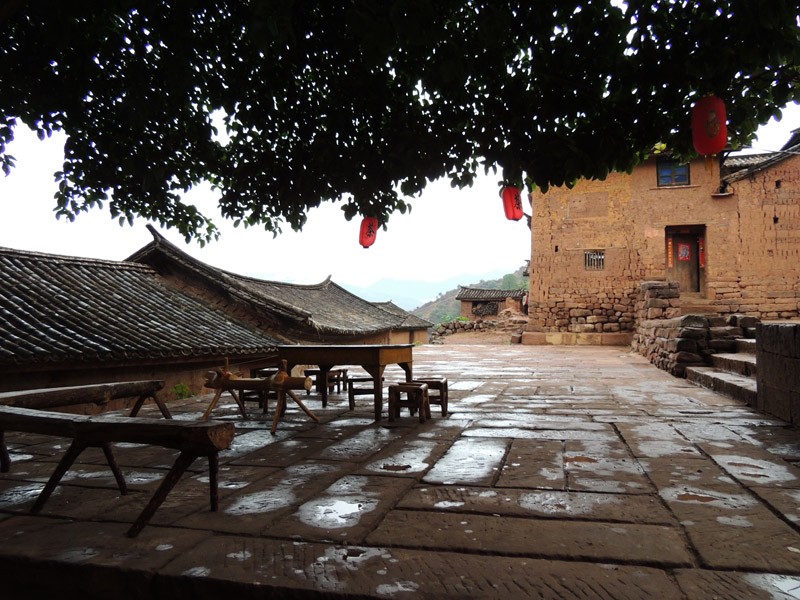
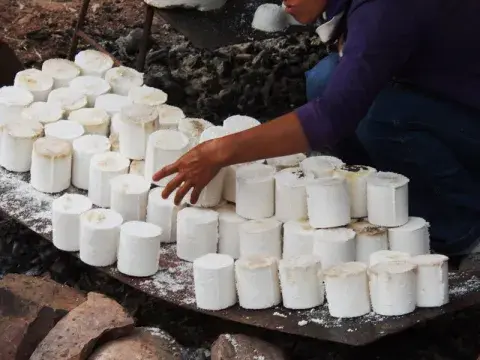
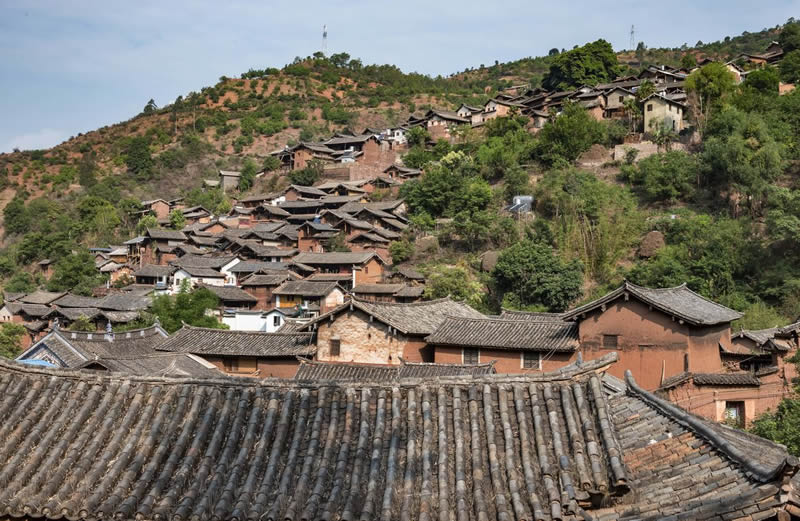
Nuo Deng Village can be traced back to 2000 years ago. The village was a very important salt mining spot in that time. It remains its traditional extraction method by burning wood to get salt. Today, it lives Bai minority there. In Qing dynasty, there were over 100 students got excellent result in official examination set by the government. 6 of them became officer in the central government. Today, the village remains the old tradition of Bai. Lot of old stone steps, collection of remains from Qing dynasty. The ham preserved with Nuo Deng salt is delicious. Nuo Deng Village is 165KM from Dali city.
Tours That Go to Nuo Deng Village
Nuo Deng Bai Village 诺邓 - 白族千年古村
Nuo Deng Bai village locates 165KM west of Dali City. It's history can be traced back to 2000 years ago as an important salt mining spot in the old days. Today it lives Bai minority there. The old village remains the traditional Bai structure with polishing stone steps. Private home museum collection display the Qing Dynasty remian. Local home made ham is delicious. Tour starts from Dali. Stay over night in the village. Enjoy local food and experience people's life. Minimum 2 person.
User reviews
Nuodeng Village

Leave a review
Add Review

Photos of Nuo Deng Village

