Hong Kong Attractions
Temple of Jinhua, Peng Chau
This is a small temple right next to big banyan tree on Peng Chau island.
Goddess Jinhua or Madame Jinhua was a righteous lady born to the family ...
This is a small temple right next to big banyan tree on Peng Chau island.
Goddess Jinhua or Madame Jinhua was a righteous lady born to the family of a marital official. She was honoured as a goddess after her death.
This building is from 1762, replacing a crudely built Jinhua shring. The building fell in disrepair later, and was fully restored in 1978. Every year at the 17th day of the 4th lunar month her festival is celebrated.
Great China Match Works, Peng Chau
Founded in 1939, the Great China Match Works was one of the largest match factories in the region. At its peak it employed 2,000 people. Cheaper imports and the advent of the gas lighter caused the demise of the factory, it closed in 1976. Only boundary stones remain nowadays.

Hong Kong Convention and Exhibition Centre
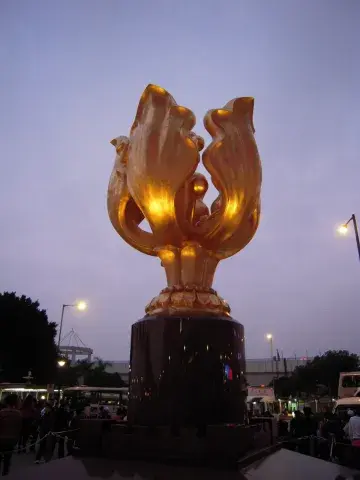
Hong Kong Convention and Exhibition Centre (HKCEC) is one of Hong Kong land mark, the first phase was started on 25th, Nov, 1988, the glass wall which facing the sea is the world biggest glass wall. The second phase was started at 1994 and finished at 1997.
Hong Kong Convention and Exhibi...
Hong Kong Convention and Exhibition Centre (HKCEC) is one of Hong Kong land mark, the first phase was started on 25th, Nov, 1988, the glass wall which facing the sea is the world biggest glass wall. The second phase was started at 1994 and finished at 1997.
Hong Kong Convention and Exhibition Centre is a very important center to holding all the exhibitions and all kinds of ceremonies.
Peak Lookout
 An old gem still standing and running smoothly to this day. The Peak Lookout doesn’t have the best views on
An old gem still standing and running smoothly to this day. The Peak Lookout doesn’t have the best views on the Peak, but it still has a lot of welcoming warm charm. The restaurant specializes in Southeast Asian cuisine with gardens and a nice barbecue corner. Offering both indoor and outdoor seating, the restaurant is actually a converted workshop submerged in heritage dating back to 1947. A view of the Lamma Channel and plenty of tropical flora produces a comforting old-school ambience contrasting many of the other newer outlets around the Peak.
Dim Sum Restaurants
Dim Sum Restaurants (Cha Lau) 茶楼
In Hong Kong, many people have breakfast or lunch at Dim Sum Restaurants (cha lau – ’cha’ means tea, ’lau’ means building). We call it ’yum cha’ (drink tea) in Cantonese. To some fami...
Dim Sum Restaurants (Cha Lau) 茶楼
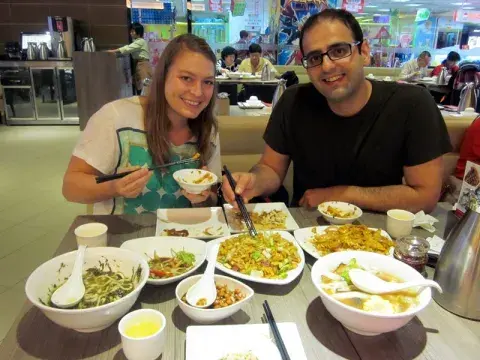
In Hong Kong, many people have breakfast or lunch at Dim Sum Restaurants (cha lau – ’cha’ means tea, ’lau’ means building). We call it ’yum cha’ (drink tea) in Cantonese. To some families, this is a once weekly event. It can even be a daily activity for retired people or housewives.
How to dress:
In Chinese restaurants, especially those located in residential areas, it is not a surprise to see some male customers simply wearing their slippers and taking the horseracing newspaper and a radio with them for entertainment. However, if you go to a higher-class restaurant, then dressing in smart casual is more appropriate.
What to eat:
Aside from dim sum, these Hong Kong Dim Sum Restaurants also serve Chinese cuisine in their own style depending on the theme of the restaurant. However, in the daytime, people mainly order dim sum as main dish, coupled with fried rice and noodles instead of dishes on the menu. I think many Westerners are familiar with the word ’dim sum’ and have likely tried it before in their own country. It is a general term for the small steamed or deep fried dish usually served at 3 or 4 pieces.
What to drink:
In ’cha lau’, customers will be served with their preferred type of ’cha’ (tea). Commonly ordered types are:
Po Lay: Pu-erh – the most common type of black tea. It leaves a taste of herbs that lingers in the mouth.
Sau Mei – peony, white tea with a slightly sweet flavour.
Lung Cheng – ’lung’ means dragon, ’cheng’ is a well, it is a kind of green tea which is light, tastes fresh and has a bit of ’grassy’ undertone.
Wu lung – oolong tea, the finest one has a ’peach’ like aroma and gives a long lingering effect.
Heung Pin: jasmine, floral tea
When to go:
As dim sum is part of the Hong Kong culture, you may wish to spend a morning visiting one of these Dim Sum Restaurants to enjoy the food. As competition among the restaurants is keener than before, many have extended their dim sum serving hours and added more choices so people can also enjoy it at tea-time. If you want to have a greater variety of choices of specialized Chinese cuisine, it is better to visit at dinnertime. Set dinner is also available at some restaurants.
How to order dim sum:
Nowadays most Hong Kong Dim Sum Restaurants use a dim sum order form for placing orders. You just need to check the boxes next to your choices and pass the form to the staff. They will then serve what you ordered within 10 minutes. In some restaurants, there are still ladies that serve dim sum on a cart with heater. They will yell out what they have loudly and customers can pick what they want as the cart passes by. The lady will mark the relevant price category on the record card. However, both the dim sum form and the signage on the dim sum cart are presented in Chinese. Also do not count on the menu on the table, as it just shows pictures of dishes instead of dim sum. You had better learn how to order the basic and common ones direct from the waiter.
What to order:
Cha siu bao (叉烧包): barbecued pork bun
Har gou: steamed prawn dumplings with a translucent wrap
Siu my: steamed pork dumplings
Ngau yuk: steamed beef balls
Chun kuen: spring rolls
Cheong fun: steamed rice rolls (with different fillings such as prawn, scallop, beef, barbecued pork or vegetarian and more)
Cha siu so: baked barbecued pork pastry
Gin cheong fun: fried rice rolls
Gin law pak go: fried carrot cake
Har kok: deep fried prawn dumplings
Yau yu so: deep fried octopus
Law mei gai: sticky rice wrapped in lotus leaf
Dan tart: baked egg tarts
Nine wong bau: sweet egg and cream bun
Yeung chow chau fan: fried rice with shrimp, ham and green pea
Gone chau ngau hor: fried rice noodle with beef
Gone siu yi min: vegetarian noodle stewed in soy sauce
Ha kou wor min: noodle with prawn, mushroom and vegetable served with soup
Where to go:
Maxim’s Chinese Restaurant
Luk Yu Tea House
Kung Tak Lam
Did you know:
There are several categories of dim sum, viz. small, medium, large, special, and top. Price is ranging from about HK$10 to HK$30 each.
Tip:
Many Chinese restaurants give discounts if you check your bill before noon or if you visit after 2:00pm. Some even have special offers like ’unit-price’ for all categories of dim sum. Try checking with the restaurant staff when you arrive at the restaurant.
Hong Kong Articles
Enjoy the amazing view at the Central Plaza and Hopewell Centre 在中環中心和合和中心欣賞香港美景
Hong Kong is the city of skyscrapers!
It is easy to go to the tall buildings to appreciate the architectural style, interior design and even the beautiful view of Hong Kong.
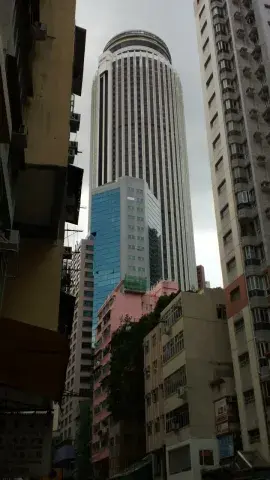
Central Plaza is the third tallest in Hong Kong.
...Hong Kong is the city of skyscrapers!
It is easy to go to the tall buildings to appreciate the architectural style, interior design and even the beautiful view of Hong Kong.
Central Plaza is the third tallest in Hong Kong.
You can go to its 46th floor to enjoy the view and get a little souvenir from its concierge.
Hopewell Centre was once the tallest building in Asia and Hong Kong in the 1980s.
On the way to 56th floor, you can enjoy the spectacular view of Hong Kong inside the observation lift.
At last you can even enjoy a romantic candle light dinner at the revolving restaurant on the top floor.
Want to visit the tall buildings in Hong Kong? Just find Frank the tour guide
香港有很多的世界知名的高樓大廈。
你可以到其中一些高樓大廈欣賞其建築設計、內部裝修和香港的美麗景色,古語有話,站得高看得遠呀!
中環廣場是香港第三高建築物。
你可以到中環廣場46樓,看看香港的美景,然後到詢問處拿一個小小紀念品。
合和中心曾經是1980年代香港,甚至是全亞洲最高的建築物。
只要搭乘合和中心的觀光電梯,就可從下到上,再由上到下飽覽香港景色。
你還可以在大廈頂層的旋轉餐廳吃一頓豐富晚餐。
想到香港的高樓大廈參觀嗎?可和導遊阿亮聯絡呀!
<<Rope Drawn Ferry to draw bridge, Tai O>>《從橫水渡到橫水橋–大澳》
Tai O is called the Venice of the East because of its fishing village culture.
...
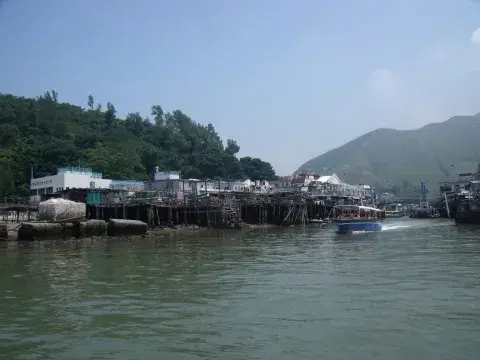
Tai O is called the Venice of the East because of its fishing village culture.
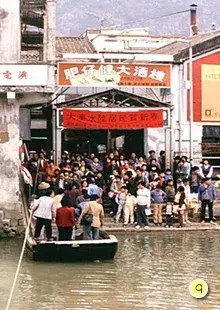
In 1940s, there were 500-600 fishing boats anchored at Tai O. So it was one of the four biggest fishing villages in Hong Kong. Different from others, Most Tai O fishermen lived on the stilt-houses on the banks of the river.
Apart from using sampans to commute, they used a rope-drawn ferry, which was powered by the hardworking ladies’ pulling actions, to cross the river. That interesting transportation was Tai O’s icon.
In 1996, a new bridge offered a happy retirement life to the ladies. The free bridge also offered convenience to the public, although it caused the loss of an attractive tradition.
Today, tourists can still take the boat ride to enjoy the disappearing fishing village culture.
Want to visit Tai O? You may find Frank the tour guide!
大澳被喻為「東方威尼斯」,因為它有獨特的漁村文化。
過去,大澳是香港四大漁港之一,約有五至六百艘漁船停泊。不過和筲箕灣、香港仔及長洲不同,大澳漁民在河上搭了許多棚屋居住。
漁民們除了用舢舨作為交通工具,還有一艘以人力拉動的「橫水渡」,讓人們可以橫過把大澳分成兩半的河流,「橫水渡」及賣力拉渡的漁村婦女曾是大澳的標誌。
1996年,政府興建了新的橫水橋,取代了令人懷念的人力「橫水渡」,上了年紀的婦女可以退休,市民和遊客多了一分方便。
現在遊客仍可以乘坐小艇一遊大澳水鄉。
想去大澳嗎?可和導遊阿亮聯絡。
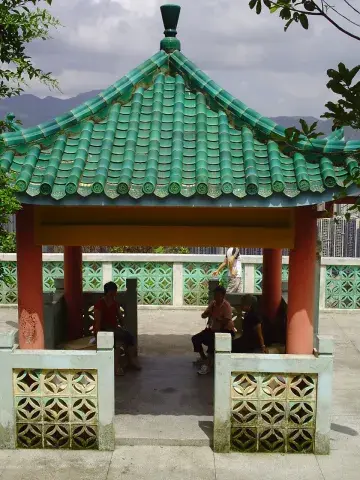
Sha Tin’s Lion Pavilion 沙田獅子亭
There are several Lion Pavilions in Hong Kong. The most famous one should be the one at the Victoria Peak, where tourists can enjoy the stunning view of the Victoria Harbour and skyscrapers.
...There are several Lion Pavilions in Hong Kong. The most famous one should be the one at the Victoria Peak, where tourists can enjoy the stunning view of the Victoria Harbour and skyscrapers.
In Sha Tin new town, people can also find another Lion Pavilion, which is unknown to the public. It is at the quiet Fo Tan Peak, at the end of Shui Wo Road. It was built in 1981 and witnessed the development of the most successful new town, Sha Tin.
At the lookout point, you can see the view of the huge public housing estates the tall private apartment buildings. You can also see the natural landscape, Lion Rock, Amah Rock, Saddle Hill etc. near the straight Shing Mun River.
Sha Tin is close to Sai Kung, the backyard garden of Hong Kong. You can go to enjoy the view of the Geo-park very easily.
If you want to visit the Lion Pavilion in Sha Tin and the Geo-park, please contact Frank the tour guide.
香港有許多獅子亭,最有名當數在太平山頂的一個,遊人可在這個古色古香的亭子欣賞到維多利亞港和高樓大廈的壯麗景色。
而在新界的新市鎮沙田,都有一個鮮為人知的獅子亭,它位於火炭山,建於1981年,見證了沙田新市鎮的成功發展。
遊人高高在上,可飽覽城門河兩岸的區各個大型公共屋村和高崇的私人住宅,而獅子山、望夫石和馬鞍山等的自然景觀,也可盡收眼底。
距離沙田不遠,就是西貢區,此區有世界級地質公園。
如想到沙田和西貢,可和導遊阿亮聯絡呀!
Top Hong Kong Tours
$295 Per Day
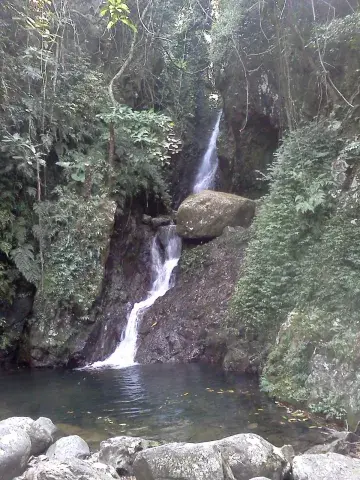
Tai Mo Shan and Ng Tung Chai waterfalls
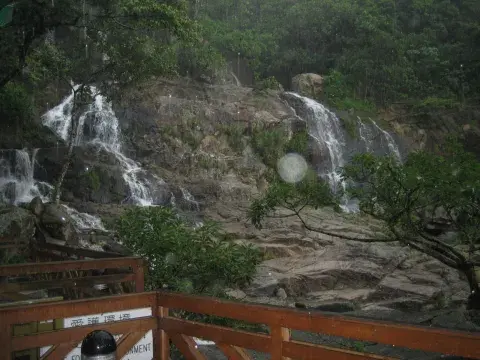
Climb Hong Kong's tallest mountain, and marvel at it's tallest and most beautiful waterfalls.
From Tsuen Wan MTR station we take taxi to our starting point, the highest point of Route Twisk, about halfway up the mountain. From there a scenic route takes us up Tai Mo Shan, Hong Kong's tallest mountain at 957 m. The summit can not be reached as a wireless station has been built up there.
...Read moreClimb Hong Kong's tallest mountain, and marvel at it's tallest and most beautiful waterfalls.
From Tsuen Wan MTR station we take taxi to our starting point, the highest point of Route Twisk, about halfway up the mountain. From there a scenic route takes us up Tai Mo Shan, Hong Kong's tallest mountain at 957 m. The summit can not be reached as a wireless station has been built up there.
From there we continue slowly down, and later turn left on the path steep down to the Ng Tung Chai waterfalls, the Main Fall of which is the tallest waterfall of Hong Kong. These waterfalls are most spectacular during the wet season.
This hike takes four to five hours, and includes some steep ascends and descends running over mostly well maintained trails. Proper footware is a must. The total ascend is about 500m as the starting point of the hike is halfway up the mountain.
Price includes guide fee.
Add approx HKD 300-400 for taxi fares.
$120 Per Day
Hong Kong Island Birdview Tour
$300.USD for 4 people
...Read more$300.USD for 4 people
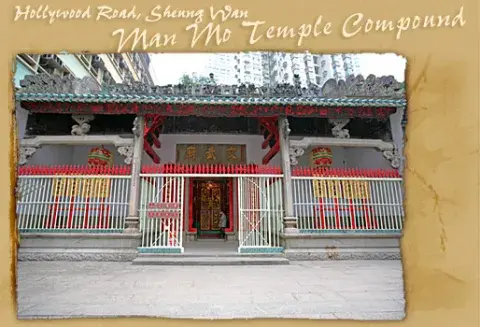
-At the Man Mo Temple, you can learn more about the life of local Chinese in the early colonial era and the worship of God of Man (examination) and God of Mo (Warrior) and Soho.
-Take the Peak Tram. At the commanding height of Victoria Peak, you can enjoy the breathtaking view of the Victoria Barbour.
-Go to Repulse Bay by private car, you can see the beautiful beach of Hong Kong. You can also visit a Museum of Chinese Gods and Goddess to know more about Chinese religions.
-At Stanley, you can see the British colonial style buildings and enjoy a shopping spree at the well-known Stanley market.
Estimated Local Cash Needed:
600 Hong Kong Dollar - Cash expenses will cover basic transport, food and shopping. Most shops and restaurants accept credit cards but many local markets and smaller local restaurants are cash only. Taxi fares are affordable. The first 2 km are charged at 20 HKG (2 US $). The restaurant bills include 10% service charge. So you are not expected to pay tips. Of course, depending on your personal preferences your cash need may vary. There are ATM machines in many places where you can get cash via your ATM or credit card (yes, it is safe using your credit card here).
What's Extra:
IF YOU GATHER A GROUP WITH MORE THAN 4 PEOPLE, I SHALL CHARGE EXTRA US$50 PER PERSON, I CAN TAKE A GROUP OF UP TO 8 PEOPLE
However, tour fee does not cover:
Cost of any transportation, meals, drinks, snacks, meals, souvenirs,entrance fees, rides.
If you are in Hong Kong for 3 days or more, I would recommend you to get a local "Octopus card " from any MTR Station which is a top up card with credit inside to pay for most transports, vending machines, convenient stores, Starbucks, and many more chain stores. It cost HK$150 and it has got HK$100 credit and $50 as deposit which you can get back once you return the card. This card will save you a lot of time and hassle with carrying a lot of coins. We can got get one together if you are not sure.
What's Included:
A "once in your lifetime" experience of visiting and get to know Hong Kong. All my knowledge and passion about this wonderful city, its people and places.
Traveling is a very personal matter and everybody has different expectations and preferences. Your holidays are supposed to be the most precious time of the year. Time out, relax, new places, new horizons, new perspectives. Meet new people and make new friends and share this time with your family, friends and loved ones.
I am very happy to customize your tour in advance, based on your interests and timetable. Please let me know what are you interested in, what you like and what not and I prepare your tour. You can select parts of all my suggested tours and I will design your personal Hong Kong tour.
And if your change your mind during the tour…or the weather is not suitable for the original plan (it maybe not so much fun to be on the Victoria Peak when we have heavy rainfall ..) I am flexible to amend the program at any time.
$100 Per Day
Street Market Evening Tour
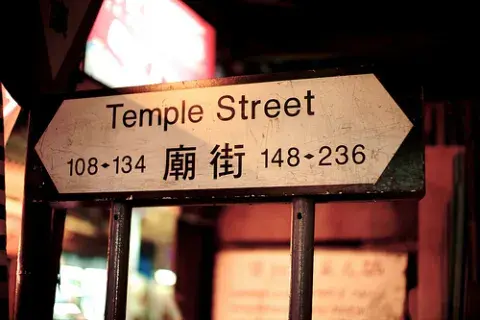
You can’t leave Hong Kong without taking a trip to the night markets! In this tour, you will be exploring the most vibrant night market in town – the Temple Street Market, and experience the most local dinning culture – dinner in Dai Pai Dong! Fill up yourself, and get ready for some bargain hunting with local traders or even fortune tellers! Follow us to the best secret spot to enjoy the breathtaking night view of the world-famous Victoria Harbour. You may then end (or start) your night with a relaxing drink overlooking the stunning harbour view....Read more
You can’t leave Hong Kong without taking a trip to the night markets! In this tour, you will be exploring the most vibrant night market in town – the Temple Street Market, and experience the most local dinning culture – dinner in Dai Pai Dong! Fill up yourself, and get ready for some bargain hunting with local traders or even fortune tellers! Follow us to the best secret spot to enjoy the breathtaking night view of the world-famous Victoria Harbour. You may then end (or start) your night with a relaxing drink overlooking the stunning harbour view. Enjoy falling in love with Hong Kong with us!