China Attractions

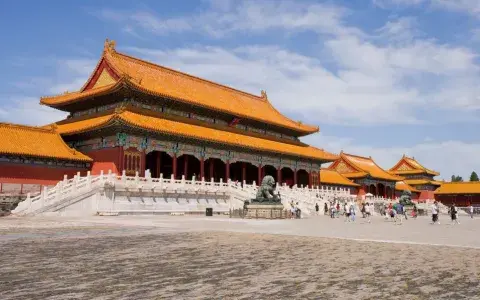
The Thirteen Ming Tombs
13 of the 16 Ming emperors are buried in a valley next to Tianshou Mountain (天寿山), just northwest of Beijing. The first emperor is buried in Nanjing, the burial site of the second empe...
13 of the 16 Ming emperors are buried in a valley next to Tianshou Mountain (天寿山), just northwest of Beijing. The first emperor is buried in Nanjing, the burial site of the second emperor remains unknown, and the seventh emperor was buried at the Summer Palace in an ordinary tomb. The Thirteen Ming Tombs are the largest single dynastic collection of tombs. There are 3 tombs that are available for viewing.
Spirit Way (Shendao, 神道)
Apr 1 – Oct 31: 30 yuan, Nov 1 – Mar 31: 20 yuan
The seven kilometer long Spirit Way leads up to the tomb site. It was built in the same fashion as the "Sacred Path" in Nanjing with pairs of stone animals on either side of the path. Even past emperors would have to dismount from their horses when passing through Spirit Way and visiting the tomb grounds. Many tours do not go here, skipping ahead to the tombs instead.
|
Changling (长陵)
(010) 60761334
Apr 1 – Oct 31: 45 yuan. Nov 1 – Mar 31: 30 yuan
The tomb of Emperor Yongle (1360-1424) and his empress, Xushi, is the largest of the three tombs. It is the first tomb visitors will reach in the valley if entering from the Spirit Way. It was also the first Ming tomb to be built at this site.
The tomb layout is identical to that of the first Ming Tomb in Nanjing although on a grander scale and with the bottom of the burial mound at the top of the wall rather than the bottom. The imperial architecture resembles that of the Forbidden City in Beijing which was also built during the reign of Yongle.
|
 |
Dingling (定陵)
(010) 60761156
Apr 1 – Oct 31: 60 yuan, Nov 1 – Mar 31: 40yuan.
The highlight of Dingling is the underground palace that was excavated in 1956. Dingling is the only tomb to be completely excavated. It is the burial place of the Emperor Wanli (1563-1620), his wife, and one of his concubines. There are also some displays about the Ming Tombs located inside the Dingling tomb area.
|
Zhaoling (昭陵)
(010) 60761435
Apr 1 – Oct 31: 30 yuan, Nov 1 – Mar 31: 20 yuan
Zhaoling, the tomb of the twelfth emperor Muzong, (1537-1572) and his three empresses, is the smallest of the three tombs as well as the least visited.
|
 |
13 Tombs Waxworks Palace of Ming Dynasty (十三陵明皇宫)
(010) 69748706
40 yuan per person
40 yuan per person
The "Waxworks Palace" is surely not a must-see destination on it’s own, but if you are heading to the Ming Tombs this museum makes for an entertaining introduction on the history of the Ming Dynasty. It is located 27 kilometers from the Badaling (八达岭) section of the Great Wall and only 2 kilometers from the Thirteen Ming Tombs.
Getting To, From and Around the Tombs
Tours
The easiest method of seeing the tombs is to get on a tour with your hostel or hotel. 100 to 150 yuan for transportation there and back is a reasonable price. Many tours combine a trip to the 13 tombs with a trip to the Great Wall at Badaling.
Beijing Tourist Buses
There are Beijing tourist bus routes that include a visit to Dingling (定陵) along with a visit to The Great Wall. This would be a cheap and reliable way to see the one tomb.
Taxis
Private taxis run from Deshengmen (德胜门) bus station and should cost around 100 yuan. A taxi from the Juyongguan (居庸关) section of the Great wall should cost about 50 yuan. Each tomb is located a couple kilometers away from the other tombs so it should cost about 10 yuan to get a taxi from one tomb to another. All the prices just listed are estimates. Supply and demand of taxis, as well as a tourist’s bargaining skills, language skills, and appearance are all factors that may affect these prices.
Public Transportation (last updated May 2006)
Public Transportation is cheap, yet it can be quite a hassle for those that don’t speak Chinese. The first step to get to any of these location is to get to Changping. From Desehengmen (德胜门) bus station take Bus #345 支(zhi) to Changping Dongguan (昌平东关). From Changping:
- take bus #314 which stops at Dingling and Changling.
- take bus #22 which stops 200 meters away from Zhaoling.
- take bus #947 to the “Waxworks Palace."
Unfortunately these buses do not run very frequently. It may take a half hour before it is possible to hop on a bus back into the city. There are other possible bus routes, some of which only run during special occasions.
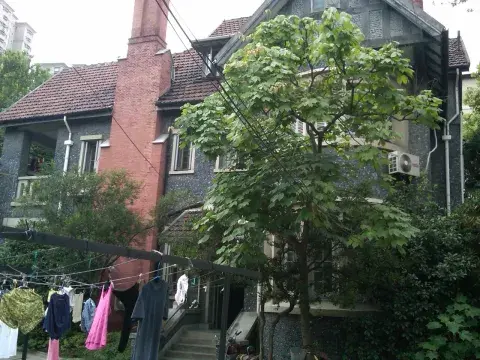
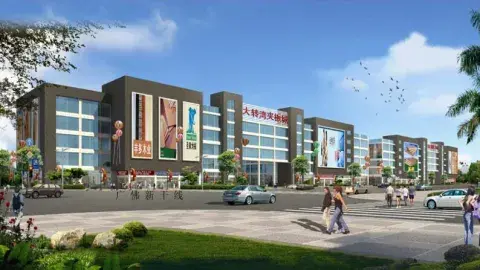
China Foshan Building Material wholesale market shopping
No.2 Building decoration material wholesale market
Sort out by market:
B1. Zhiye ceramic wholesale market / 置业陶瓷批发市场
Add.: Shi wan Zhiye ceramic wholesale market,shagang, zhenzhong ...
No.2 Building decoration material wholesale market
Sort out by market:
B1. Zhiye ceramic wholesale market / 置业陶瓷批发市场
Add.: Shi wan Zhiye ceramic wholesale market,shagang, zhenzhong road, shiwan, foshan city/ 佛山市石湾镇中路沙岗段石湾置业陶瓷批发市场
Comment: This is a huge wholesale market with 470,000 square meter for ceramic tile, sanitary ware, Plumbing Fittings. The price belongs to middle and low level, 80% of it’s products are for export.
B2. Huayi building decoration material city / 华艺装饰材料城
Add.: 325 national road, jihua No.4 road, foshan city / 佛山市季华四路325国道交汇处(季华美食城对面)
Comments.: Huayi is a very big complex building decoration material city for Flooring, Door, Window, Ceiling, Hardware, locks, hinge, MDF board, Ply board, Wall paper. The old huayi used to be a very often visited wholesale market for building decoration material for export, with middle price, but it has removal already. The new huayi is usually feedback by foreign customer with high price level.
B3. Da zhuan wan building decoration material market / 大转弯建材装饰市场
Add.: Da zhuan wan road, guang fo road, west huan Guangzhou, Foshan city /地址:广州西环广佛路大转湾段
Comments.: Dazhuanwan is a very big complex building decoration material market for Flooring, Door, Window, Ceiling, Hardware, locks, hinge, MDF board, Ply board, Wall paper. It’s more professional than Huayi, most of the suppliers there are factories, the products are divided into much smaller filed with lower price than huayi market.
B4. China Ceramics City / 中国陶瓷城
Add.: Jiangwan 3rd road, chanchen district, foshan city, Guangdong province / 广东省佛山市禅城区江湾三路
Comment.: China ceramics city is 53,000 square meter for ceramic tile, sanitary ware, Plumbing Fittings. Price level betweens to middle to high.
B5. China mosaic City / 马赛克城
Add.: China mosaic city, No.9, baota road, shiwan , chanchen district, foshan city / 佛山市禅城区石湾街道办宝塔路9号中国马赛克城
Comments: It’s specialized in mosaic, the biggest center for mosaic, just near China ceramic city
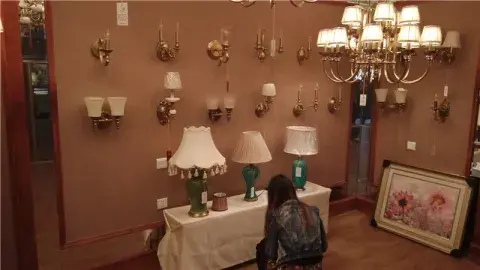
B6. Guzhen lighting in zhongshan city / 中山古镇灯饰
Comments: Guzhen is the manufacture basement of lighting in China, it’s around 1.5 hours from Guangzhou, the whole town is specialized in lighting. The biggest lighting building is Lighting era center
时代灯饰广场 / Lighting era center
Add.: No.12, dongxin middle road, guzhen, zhongshan city, Guangdong province, China / 中国·广东省中山市古镇镇东兴中路12号
B7. Yi mei jia ceramic city / 意美家陶瓷城
Add.: ji hua No.4 road, chanchen district, foshan city, Guangdong province,China / 中国广东省佛山市禅城区季华四路
Comment: This is a big wholesale market for ceramic tile, sanitary ware, Plumbing Fittings. The price belongs to middle level.
B8. Sunlink lighting & kitchen cabinet city / 顺联橱柜灯饰城
Add.: next to 325 national road, lecong town, shunde district, Guangdong province / 广东省佛山市顺德区乐从镇325国道旁
Comments: It’s in shunde furniture city, specialized in kitchen cabinet and lighting.
B9. Shunde lecong furniture city / 乐从家具城
For Furniture pls check following link for professional detail information.
Sort out by products:
1. Tile
Recommended market:
B1. Zhiye ceramic wholesale market / 置业陶瓷批发市场
B4. China Ceramics City / 中国陶瓷城
B7. Yi mei jia ceramic city / 意美家陶瓷城
2. Wooden / PVC Flooring
Recommended market:
B2. Huayi building decoration material city / 华艺装饰材料城
B3. Da zhuan wan building decoration material market / 大转弯建材装饰市场
3. Sanitary ware
Recommended market:
B1. Zhiye ceramic wholesale market / 置业陶瓷批发市场
B4. China Ceramics City / 中国陶瓷城
B7. Yi mei jia ceramic city / 意美家陶瓷城
4. Lighting
Recommended market:
B6. Guzhen lighting in zhongshan city / 中山古镇灯饰
B8. Sunlink lighting & kitchen cabinet city / 顺联橱柜灯饰城
by renting car, charge 600rmb per day including all cost
China Articles
Northeast Younger
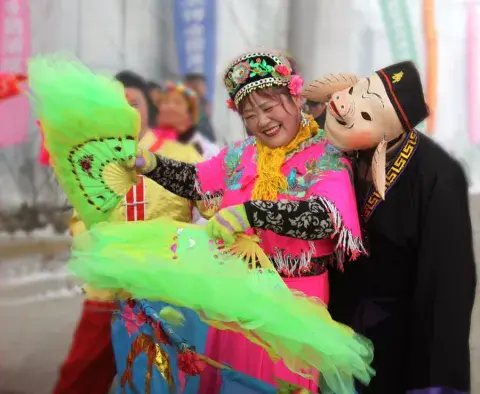
Younger working people in the north -east is the art of the long-term accumulation of wealth creation , which originated in planting plow working life , and the ancient god of agriculture , and pray for a good harvest , when praying limitless disaster singing carols , asserting song about , and...
Younger working people in the north -east is the art of the long-term accumulation of wealth creation , which originated in planting plow working life , and the ancient god of agriculture , and pray for a good harvest , when praying limitless disaster singing carols , asserting song about , and in the development process farmers will continue to assimilate the song , Ling songs, folk martial arts, acrobatics and drama techniques and forms , and thus the development of the general masses today Younger loved singing a folk song and dance .
Northeast Younger form of humor , unique style , the vast black soil gives it simple and bold spirituality and customs, financial pungent , humor , quiet, athletic one, the people of the Northeast enthusiasm rustic character traits of firmness and flexibility sway of the head. Steady waves, waves Terrier , Terrier in Alice , step on board , twist at the waist , is the most important feature of the Northeast Younger . Meanwhile, the great variety of " hands flowers" , fast-paced flexible drums, the main speaker , pretty , quiet , steady, rhythmic beauty , are characteristic of the Northeast Younger .
Northeast Younger Son and jumping stilts subdivision categories. Younger son , also known to be jumped , spread wider surface ; stilts prevalent in southern Liaoning , especially Yingkou ( large stone ) , Haicheng and cover County area . Say that there is a certain place when transplanting paddy farmers singing Tian Ge , called the Younger .
Younger beat seedling plow originated in working life , the ancient god of agriculture and also to pray for a good harvest , throw into confusion when analyzing Fu Yan Song sung by the disaster , inlaid song about , and continue to absorb in the development process of agricultural songs , English songs, folk martial arts , skills and forms of acrobatics and drama , so from the usual singing folk songs and dances developed into Younger . To the Qing Dynasty , Younger has been widely circulated throughout the country .
Does Hong Kong have other interesting ferry ride, apart from the Star Ferry?
YES, OF COURSE!
1) Kwun Tong <> Sai Wan Ho...
YES, OF COURSE!
1) Kwun Tong <> Sai Wan Ho
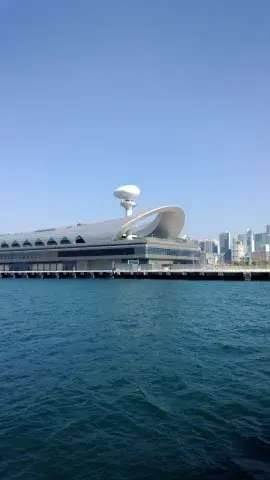
You can take the ferry at the Kwun Tong Public Pier. The selling point of this route is the huge and grand Kai Tak Cruise Terminal. After arriving at Sai Wan Ho, you can enjoy the drinks at the relaxing SoHo East.
2) Sai Wan Ho <> Sam Ka Tsuen
After enjoying the happy hour, that is the time for a delicious seafood dinner. You can return to the Sai Wan Ho Public Pier to take the boat to Sam Ka Tsuen. You may not know Sam Ka Tsuen. But you should know the Lei Yue Mun Fishing Village. The seafood restaurants, which are built on stilt and near the pier, are waiting for you.
3) North Point <> Hung Hom
You may take the DING DING, double-decker tram, to go to North Point Ferry Pier. The ferry pier is also a seafood market. You can see lots of strange but tasty creatures there. After enjoying the breathtaking sea view for about 10 minutes, you can reach Hung Hom Area. You can have a shopping spree at the cool and funny ship-like department store, AEON.
For further questions about touring Hong Kong, please contact Frank the tour guide.
Harbin local snacks Nov 17, 2013
Harbin boasts a wide variety of scrumptious, regional Chinese cuisines and a few down-home specialties, all of which stem from the Harbin history....
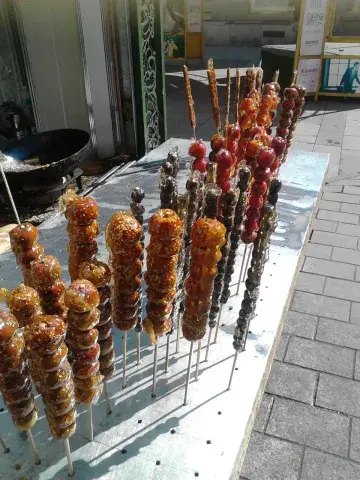
Harbin boasts a wide variety of scrumptious, regional Chinese cuisines and a few down-home specialties, all of which stem from the Harbin history. Take folk snacks as the core in Harbin, for example: candied hawthorns, chestnut roasted with sugar, rice cake, roasted sausage, jujube, dried persimmon, sunflower seeds, etc. These traditional diet is well received by the tourists all around the world, coz the local snacks of Harbin taste wonderfully good.
In fact, the candied hawthorns represent the common people's wish, wish for better life and for harmony of family and the whole country.
As winter comes, the air is always filled with the aroma of roasted chestnuts at streets and lanes in Harbin, thus the chestnut roasted with sugar is a delicacy right for the seasons.
There are all kinds of local snacks in Harbin, I like eating all of them, coz they are really delicious. Ok, what are you waiting for? Come on, let us try it now!
To taste Harbin local snacks, please write to [email protected] or WeChat me at harbintourism, or WhatsApp me at 0086-13204503885.
Top China Tours
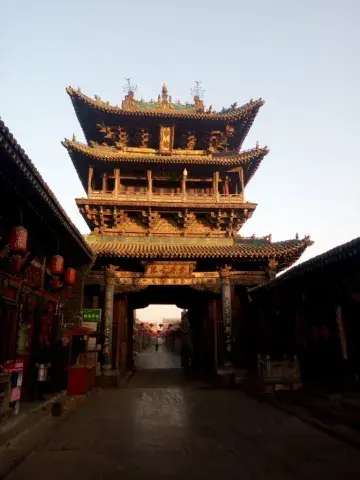
$53 Per Day
Pingyao Highlights Walking Tour
Pingyao Highlights Walking Day Tour
With our guide to know the Ancient Pingyao better!
Our guide will meet you at your hotel lobby at 08:00 or 08:30, then show you the ticket office to get the ticket for the museums we will visit later.
...Read morePingyao Highlights Walking Day Tour
With our guide to know the Ancient Pingyao better!
Our guide will meet you at your hotel lobby at 08:00 or 08:30, then show you the ticket office to get the ticket for the museums we will visit later.
First we will visit the 700 years old City wall, We will climb up from south gate and have a walk on the wall. We are not sure how many km we can walk, because of the renovating of the wall. Normally we will walk from south gate to the Yunlu Exit.
Then visit the Confucius temple, there is a old building named Dacheng Hall which is over 840 years old. From outside, we can see the big wood joints to lift the big roof around the building which is named Dougong. Due to this design, there are less columns inside the hall for giving the big space for the statues and the prayer. We have chance to see the Confucius statue and learn the philosophy of Confucius. If you like, you can pray for you and your children to get better study.
There is the Paper Cutting master named Wentao nearby the exit of Confucius temple. She is very smart and create the new style paper cutting with much more details and good wishes on it. Her products are made by hanks. It is worth to visit and buy as a souvenir from Pingyao. From the table standing and wall hangings. Please remember, take the red one because of red is the traditional and happy color. But the white one is the best. It is really difficult to choose, because of all of them are really nice.
Then you can have coffee break or tea break if you need at Chummy coffee, after this, visit the City god temple (ChenghuangMiao) which is most beautiful temple inside the wall. Because of the roof is covered by the colorful glazed tiles. There is not only city god and also the three money gods, Now you know why pingyao was the financial center.
Next we will visit the Ancient government building, to see the pingyao politics center in the ancient time. It is the complete building with officials bed room, kitchen and private garden. Follow the guide to look the official’s life from the 250km far away from the hometown.
Have a stroll in the alley to the Rishengchang exchange bank, which is the first bank all of china.You can not miss it.
After lunch, walk to the Ming and Qing street, this is the shopping street full of the stores on the both side of street. You can find alot things here , from post card to lacquered boxes, and wall panels. One more place to see, it is the Armed escort agency also named security and transport service for the business man before the bank founded.
Inlcusions
1.private english speaking tour guide servcie
2.bottle water for the tour
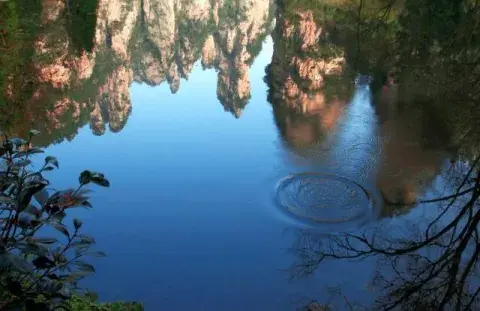
$310 Per Day
3- Day Popular Tour In Zhangjiajie
Day 1 Zhangjiajie National Forest Park
Full day trip to Zhangjiajie National Forest Park,take Bailong Elevator up Yuanjiajie,Bailong Elevator is the said to be the worlds tallest full-exposure outdoor lift,double-deck sightseeing elevator.Yuanjiajie is the inspiration for Hallelujah Mountain in AVATAR , Where you will also find the aptly named First Bridge under Heaven, Lover Peaks and so on.
...Read more
Day 1 Zhangjiajie National Forest Park
Full day trip to Zhangjiajie National Forest Park,take Bailong Elevator up Yuanjiajie,Bailong Elevator is the said to be the worlds tallest full-exposure outdoor lift,double-deck sightseeing elevator.Yuanjiajie is the inspiration for Hallelujah Mountain in AVATAR , Where you will also find the aptly named First Bridge under Heaven, Lover Peaks and so on.
Continuing to Tianzi Mountain, it takes you 40 minuts from Yuanjiajie to Tianzi Mountain by public bus, after arriving in Tianzi Mountain, you will have a bird’s-eye view of all the mountains and valleys of the Wuling Mountains. Visit Western Sea, Helong Park, Viewing Terrace etc.Take Tianzi cablecar down and check in hotel for a rest.
Accommodation: Wulingyuan Downtown
Day 2 Baofeng Lake & Glass Bridge
After breaking in the hotel, we head to Baofeng Lake where is the masterpiece of nature and human beings’wisdom. Baofeng Lake is pure just like a big crystal among Bao feng mountain Range.When you cruise, you can hear authentic song from Tujia minority people,you can fully understand the harmony and peace between human beings and nature.
Transfer to Zhangjiajie Grand Canyon, have a walking on the Glass Bridge, Glass Bridge is the highlight of Zhangjiajie Grand Canyon, located in Zhangjiajie Grand Canyon, Zhangjiajie Grand Canyon Glass Bridge is the highest and longest transparent glass bridge with a length 430 meters and a width 6 meters. It is 300 meters above the ground level and it can bear 800 persons standing on it at the same time. (need to book the tickets in advance)
Accommodation: Wulingyuan Downtown
Day 3 Tianmen Mountain
Full day to explore Tianmen Mountain,take the longest cablecar in the world up Tianmen Mountain,have a walk on the mountain plank road built along the face of cliffs. You will feel like walking in a fairy land when the mist is still heavy.The must-visit scenic spots are: Tianmen Cave, Glass Road, Tianme Temple.
See you off in the airport and looking forward to seeing you again in Zhangjiajie.
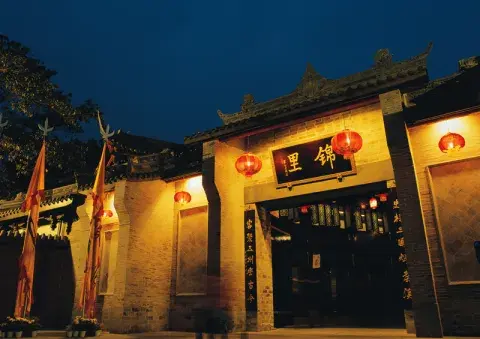
$200 Per Day
CHENGDU, A PANDA CITY, A GOURMET CITY, A TEA CITY, LOOKING FOWARD TO YOUR ARRIVAL
Chengdu, with an area of 12,400 square kilometers and a polulation of about 14,170,000 is not just the biggest provincial capital in west China, but also the only city in the history of China whose name has reminded the same for 3,000 years since its establishment. In Chinese, "Cheng" means "success or successful" and "Du" means "big city or capital". This "Successful City" boasts a long history. It is believed that everything about Chengdu has their origin from "Sanxingdui Ruins", from where you can deeply discover the history story of Chengdu.
...Read moreChengdu, with an area of 12,400 square kilometers and a polulation of about 14,170,000 is not just the biggest provincial capital in west China, but also the only city in the history of China whose name has reminded the same for 3,000 years since its establishment. In Chinese, "Cheng" means "success or successful" and "Du" means "big city or capital". This "Successful City" boasts a long history. It is believed that everything about Chengdu has their origin from "Sanxingdui Ruins", from where you can deeply discover the history story of Chengdu.
Giant pandas definitely are the best calling card and trademark of Chengdu. Every year, million of people are attracted by giant pandas to spend their holidays here, go sightseeing here, make investment here and even settle here permanently. The reason is that for people around the world, the charm of giant pandas cannot be replaced by anything else.
Various kinds of wonderful food shall be another reason attracting you to visit Chengdu. Of the four most famous schools of culinery art in China (Beijing cuisine, Sichuan cuisine, Jiangsu cuisine, Guangdong cuisine), Sichuan cuisine boasts tongue-numbing, hot, delicate and fresh taste and a variety of flavors, as "each dish has its unique taste and no two dishes have the same flavor." Such spcial flavors as fish-flavored, gongbao (with peanuts), and water-boiled are incomparable at home and abroad.
"The teahouses in Sichuan top the world, and those in Chengdu Top Sichuan." This widespread saying not only points out the status of Chengdu's teahouses but also the inseverable ties between Chengdu culture and tea. Like bars in Paris and cafes in Vienna, teahouse add a touch of refinement and leisureliness to Chengdu, an ancient yet modern metropolis. The practice of driking tea prevailed in Sichuan as earlt as prior to the Qin and Han Dynasties.
Wish you can have a nice trip in Chengdu. You will love it.