Beijing Attractions

Ditan Park
The Temple of the Earth, or Dìtán in Beijing, China, is located in the norther...
The Temple of the Earth, or Dìtán in Beijing, China, is located in the northern part of central Beijing, around the Andingmen area and just outside of Beijing's second ring road. It is also located just a few hundred yards north of Yonghe Temple. At 42.7 hectares, it is the second largest of the four Temples of Beijing behind only the Temple of Heaven.
It was built in 1530 during the Ming dynasty. Emperors of the Ming and Qing dynasty dynasties would attend the annual summer solstice ritual of offerings to the heaven.
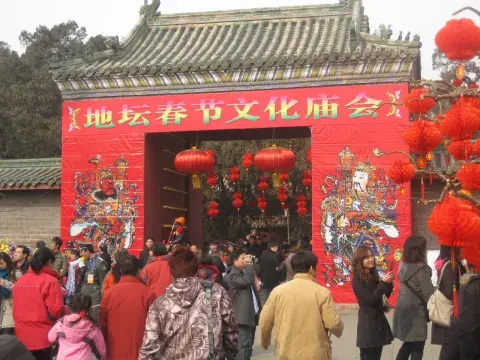
Since the 1980s, traditional temple fairs have been held regularly during the Chinese lunar new year.
Beijing Articles
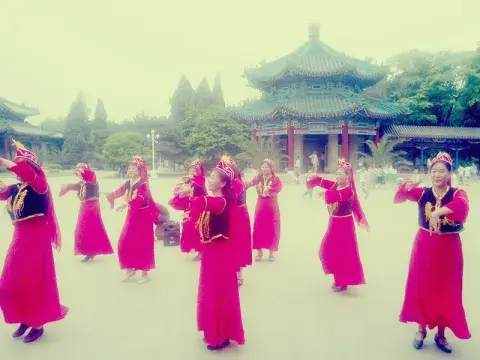
local people life
in every park of beijing, u will see many local citizens get together sing or dancing,expecially in the morning,doing moring exercise,breath the fresh air.they are always a nice view of park.it is rally a happy life.
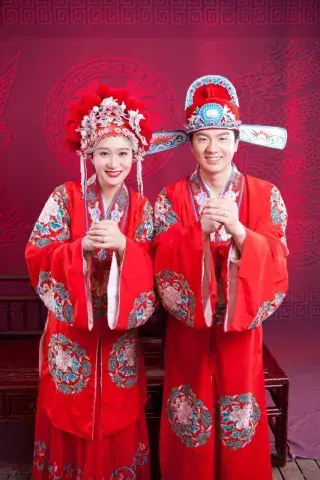
chinese traditional wedding
A perfect wedding is a nice dream for every girl. my good friend Kelly, loves Chinese classical culture, so she and her boyfriend have a traditional Chinese wedding, Chinese wedding main color is red, Chinese people like red .blessing them.
Beijing taxi charges
Daytime: 5:00 - 23:00 Taxi Fares
· RMB 13 just for getting in within 3km (flag-drop charge )
· RMB 2.3 charged for additional 1km after 3km
· RMb 3.45 charged for additional 1km after 15km
Note:...
Daytime: 5:00 - 23:00 Taxi Fares
· RMB 13 just for getting in within 3km (flag-drop charge )
· RMB 2.3 charged for additional 1km after 3km
· RMb 3.45 charged for additional 1km after 15km
Note:
1) One yuan (¥1) surcharge will be added beyond 3km to balance the oil hike according to the policy of the local government.
2) Waiting in a traffic jam or for the lights to turn green, it is charged as 2 kilometer per 5 minutes during peak hours (7:00-9:00) and (17:00-19:00).
Mid-night 11:00 pm – 05:00am Taxi Fares
· RMB 14.4 just for getting in for 3km
· RMB 2.76 charged for additional 1km beyond 3km
· RMB 4.14 charged for additional 1km after 15km
Top Beijing Tours
$200 Per Day
Private Beijing Antique Shopping Tour with Lunch
Start your private tour with pickup from your central Beijing hotel, and meet your private guide.
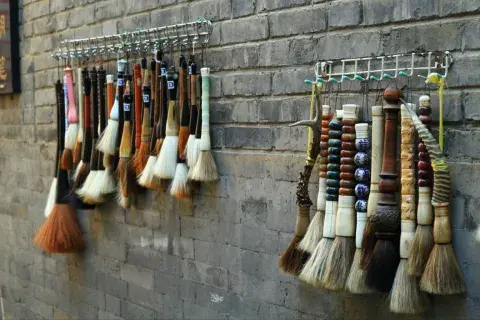
Hop inside your private, climate-controlled vehicle and travel to your first stop: Liulichang Antique Street. Situated in old Beijing, this history-steeped street is lined with stone shop-houses selling antique books, handicrafts, paintings, rubbings, glazed pottery, and other treasures.
Hear about Liulichang’s history, and get advice from your guide as to the best shopping opportunities....Read more
Start your private tour with pickup from your central Beijing hotel, and meet your private guide.
Hop inside your private, climate-controlled vehicle and travel to your first stop: Liulichang Antique Street. Situated in old Beijing, this history-steeped street is lined with stone shop-houses selling antique books, handicrafts, paintings, rubbings, glazed pottery, and other treasures.
Hear about Liulichang’s history, and get advice from your guide as to the best shopping opportunities. Sift through the traditional shops and stands, and explore the side lanes (hutongs), where the shops still bear original Ming and Qing architectural features like ornately carved doors and upswept roofs.
Next, drive to Panjiayuan Market, a so-called ‘weekend market’ that’s open daily. Weave through the throng of stands, perusing the huge array of antiques, curios, ceramics, Tibetan rugs, calligraphy, and other finds.
After shopping here, refuel with lunch at a Chinese restaurant, and continue to Baoguosi Cultural Market, set around an old temple. Scour the courtyards of vendors hawking stamps, books, coins and jade, and get tips on scouting out and clinching the best deals from your guide.
If time allows, squeeze in a visit to Hongqiao Market, a mall known for its pearl traders, and electronics, art, clothes, and accessories shops. Trawl for bargains, and haggle over pearls and other precious gems as perfect keepsakes of your time in Beijing.
After seven hours, your tour concludes with a hotel drop-off.
$50 Per Day
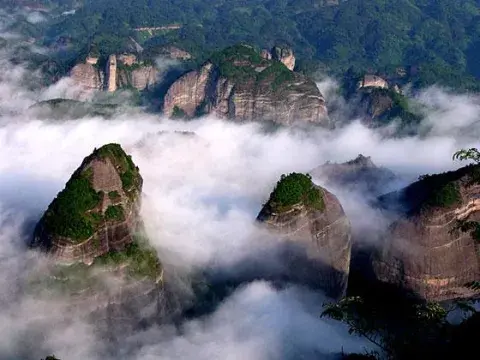
One day tirp to Bajiao Zhai, a noticeable Danxia Landform.
This is a tailor-made trip for nature-lovers and fans of photography. Danxia rock formation in the inland basin is a red rock debris, and later uplift due to the movement of the earth-crust, erosion of rocks by the water and weathering, which was dominant in the hillside to collapse back, kept down the rocks to form the red mountain block. This area was listed in the Natural Heritage of the world in 2009 by UNESCO. Bajiao Zhai Village is a combination of strategic place, steepy mountian, elegant scenery and secluded remote....Read more
This is a tailor-made trip for nature-lovers and fans of photography. Danxia rock formation in the inland basin is a red rock debris, and later uplift due to the movement of the earth-crust, erosion of rocks by the water and weathering, which was dominant in the hillside to collapse back, kept down the rocks to form the red mountain block. This area was listed in the Natural Heritage of the world in 2009 by UNESCO. Bajiao Zhai Village is a combination of strategic place, steepy mountian, elegant scenery and secluded remote. It is reputed as the "Soul of Danxia Landform". Here you can enjoy the sunrise or sunset and the sea-cloud. 1. I'll pick you up at 8:00 am in your hotel, and transfer to Bajiao Zhai Village by our private van. On the way, you can enjoy some terraced fields, bamboo groves and the wooden residences of the natives.(3.5 hours by ride) 2. First, we'll visit the village and have lunch in the village, and then we'll hike the mountains, the scenery including the group of snails looking up the sky, the ancient trail, Eye-stone, Joss stick of dragon's head and the Treasured sword Peak.(4 hours by hike) 3. After appreciating the sunset, after dinner in Ziyuan county, we'll take the bus back to your hotel around 10:00 pm.