Yaan Attractions


Qiaoqi Tibetan village
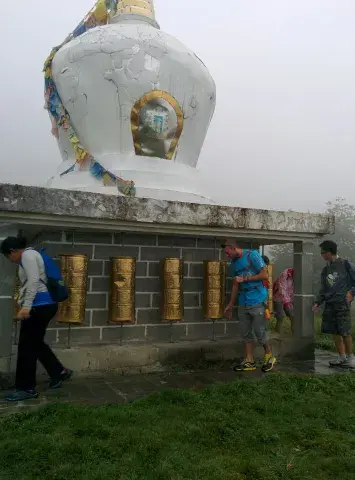
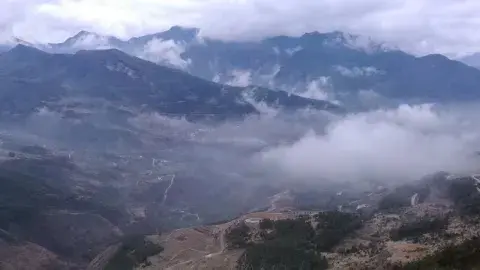
Under the Jiajin Mountain, there is a long-history minority town called Yaoji ( Qiaoqi in mandarin, local people call it Yaoji ), 5000 people in the town , 95% ae Tibetans . located on the upstream of the Qingyi River, the closest Tibetan town to Chengdu. people speak Jiarong T...
Under the Jiajin Mountain, there is a long-history minority town called Yaoji ( Qiaoqi in mandarin, local people call it Yaoji ), 5000 people in the town , 95% ae Tibetans . located on the upstream of the Qingyi River, the closest Tibetan town to Chengdu. people speak Jiarong Tibetan language, as well as Sichuan dialect. the altitude is between 2000-3000meters in this area.
In the process of historical evolution, Qiaoqi culture has been in a diversified and dynamic development.
The local Tibetan people love dancing , which is necessary in their wedding, parties and celebrations. the dancing is surrounding a fire, people dance in a circle. which is called in Guozhuang in Chinese. it's created from their daily life such as working : harvest wheat. washing clothes etc. very happy and entertaining . there is a saying : if the Tibetan people can speak, they can sing, if they can walk, they can dance.
recently , UNESCO, One Foundation and some other orgnizations are trying to teach the local people to record their life by camera , to reflect their surrounding natural environment, daily life and traditional culture
by private car
public bus from Chengdu-Ya'an-Baoxing-Qiaoqi( Yaoji)
Top Yaan Tours
$40 Per Day
Huanglong
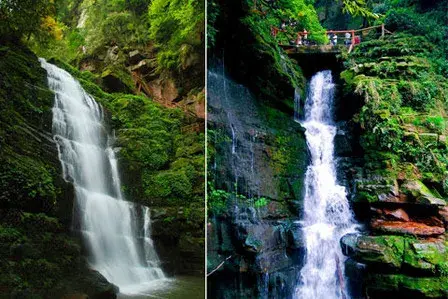
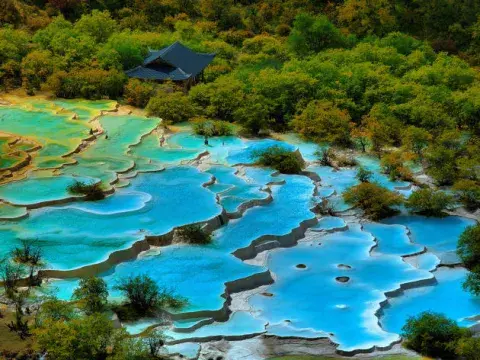
Huanglong Valley,3,145-3,575 meters above sea level,covers an arean of 1,340 square kilometers and is located at the southern foot of Xuebaoding(the Snow-coverd Peak)summit of the Minshan Mountains in Songpan County in the northwezt of Sichuan Province,300 km from the provoncial capital Chengdu. In 1993,is was inscribed on The List of World Natural Heritage by UNESCO. Lying at the eastern rim of the Qinghai-Tibetan Plateau ,the Huanglong Valley is remarkable for its karst landscapes....Read more
Huanglong Valley,3,145-3,575 meters above sea level,covers an arean of 1,340 square kilometers and is located at the southern foot of Xuebaoding(the Snow-coverd Peak)summit of the Minshan Mountains in Songpan County in the northwezt of Sichuan Province,300 km from the provoncial capital Chengdu. In 1993,is was inscribed on The List of World Natural Heritage by UNESCO. Lying at the eastern rim of the Qinghai-Tibetan Plateau ,the Huanglong Valley is remarkable for its karst landscapes. The entire scenery is evocative of the dwelling place of the Queen Mother of the Western Paredise,hence its nickname (jasper lake in the mundane world).
$20 Per Day
MT.Mengding
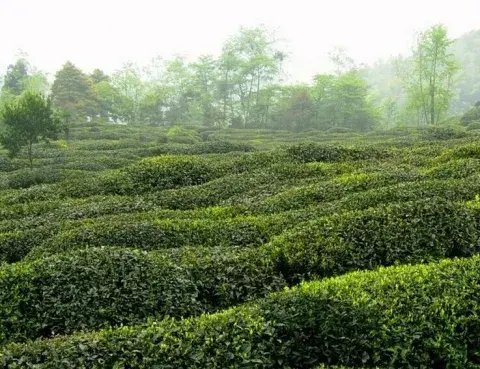
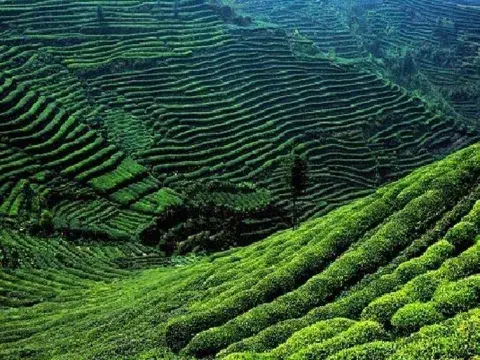
It is the birthplace of the culture of the world. It is State 3A-Level Scenic Area. Mengding is so named just because the cloudy weather and the constant rain. There are so many tea fields and the tea culture is very fomous in china. In here ,you can learn about how the tea maked,and enjoy many different kinds of green teas here. It has another name "hometown of fairy tea." All the crops here are stairs-field.

$140 Per Day
1-day Panda Volunteer Program
Panda volunteer programs offer a unique chance to care for giant pandas, assist keepers with daily tasks, and learn about conservation efforts. Volunteers typically help prepare food, clean enclosures, and observe panda behavior. These programs often support wildlife protection while providing an unforgettable hands-on experience.
*Activity process:
6:30 Gather at the airport bus boarding point at Chunxi Road IFS and go to Dujiangyan Panda Base.
...Read morePanda volunteer programs offer a unique chance to care for giant pandas, assist keepers with daily tasks, and learn about conservation efforts. Volunteers typically help prepare food, clean enclosures, and observe panda behavior. These programs often support wildlife protection while providing an unforgettable hands-on experience.
*Activity process:
6:30 Gather at the airport bus boarding point at Chunxi Road IFS and go to Dujiangyan Panda Base.
8:30 Pre-job training, bring relevant information (ID card, passport, etc.), arrive at the second floor of the Science Center to report and sign the safety agreement, the staff will explain the precautions of the activity, collect work clothes and gloves, and go to the feeding point to work.
*Giant Panda Shit Shoveler
9:00 Under the guidance of the keeper and science teacher, clean the inside and outside enclosures of the giant pandas, pick up panda feces, add fresh bamboo to the giant pandas, and clean the panda enclosures.
*Park visit
10:00 Under the guidance of the science teacher, learn about the living habits of the giant pandas.
*The amazing language of the giant pandas
11:00 Watch the keeper feed the pandas and conduct behavioral training for the pandas.
*Dining and rest
11:30 Experience the panda people's lunch and rest, and watch the giant panda documentary.
*Visiting rescued giant pandas in the wild
13:30 Prepare special food for giant pandas in the rehabilitation area, deliver the prepared food to the keepers in person and learn in depth on site how the keepers provide daily care for giant pandas in the rehabilitation area.
*Unveiling the recipe of the national treasure
14:30 Make panda steamed bread, learn about the recipe of steamed bread and the benefits of steamed bread to pandas.
15:00 End of the activity, share summary, and issue certificates