Yaoji Tibetan village
Yaoji Township (硗碛)is a small village in Baoxing County, Ya'an, with an average elevation of 2500m, an area of 880 square kilometers, and with a population of only 5000 people. The current village of Yaoji is nestled in a couloir, carved out by a glacier many eions ago. The village was formerly located in the valley below, but was flooded by a hydroelectric project and reservoir in 2003. only 150km from Sichuan basins, Yaoji is one of Sichuan's "gateway" to the Tibetan plateau. Given its close proximity to Ya'an and Chengdu, the culture of Yaoji shows strong influences from Han culture and lifestyles. historically Yaoji was an important gathering oint for Jiarong speaking Tibetan peoples, and a trading center between Tibetan and Han ethnicities. It was the seat of the Muping tuisi( 土司) or ethnic Tibetan hereditary headman recognized by the Qing and later Nationalist governments.
Furthermore, the village is near the site of the Long March crossing over Jiajin mountain. the Long March ( October 1934-October 1935) was a military retreat undertaken by the Red Army of the Communist Party of China, to evade the pursuit of the Kuomintang( KMY of Chinese Nationalist Party) army. The main long march from Jiangxi province which began in October 1934. The First Front Army of the Chinese Soviet Republic, led by an inexperienced military commission , was on the brink of annihilation by Generalissimo Chiang Kai-shek's troops in their stronghold in Jiangxi province. The Communists, under the eventual command of Mao Zedong and Zhou Enlai, escaped in a circling retreat to the west and north, which reportedly traversed over 5,000 kilometers ver 370 days. The route passed through some of the m ost difficult terrain of western China before concluding in Ya'an. where the Communists established a base and began their resurgence. Jiajin Mountain(5000m +) was the first high mountain crossed by the Red Army, whose soliders were ill prepared for the snow and the cold, and many of whom perished. There is a memorial commemorating their efforts not far from Yaoji, which has become an important destination for modern history buffs and political pilgrims.
Residents of the village are Gyalrong/Jiarong(嘉绒) Tibetan. in the past, Jiarong was a topographical and political refernce to a far wider area than the present day linguistic demarcation. The legendary 18 kingdoms of the Jiarong extended down as far as the present-day Muya territory. By contemporary linguistic definition, the 150,000 speakers of the different Jiarong languages are distributed across serval counties of central and southern Aba Prefecture, and corners of Ganzi Prefecture and Ya'an District. These Qiangic languages have traditionally been divided into Sibaba(northwestern) , Chabao( northeastern) and Situ( eastern). Situ, referring to an area formerly governed by four kings( Tusi), is the most widely spoken form of Jiarong and has at least two dialects. Outside the larger towns, Jiarong is still widely spoken across all ages and domains of society. Many older Jiarong people are monolingual, but Sichuan dialect is becoming widely spoken by the young and middle aged.
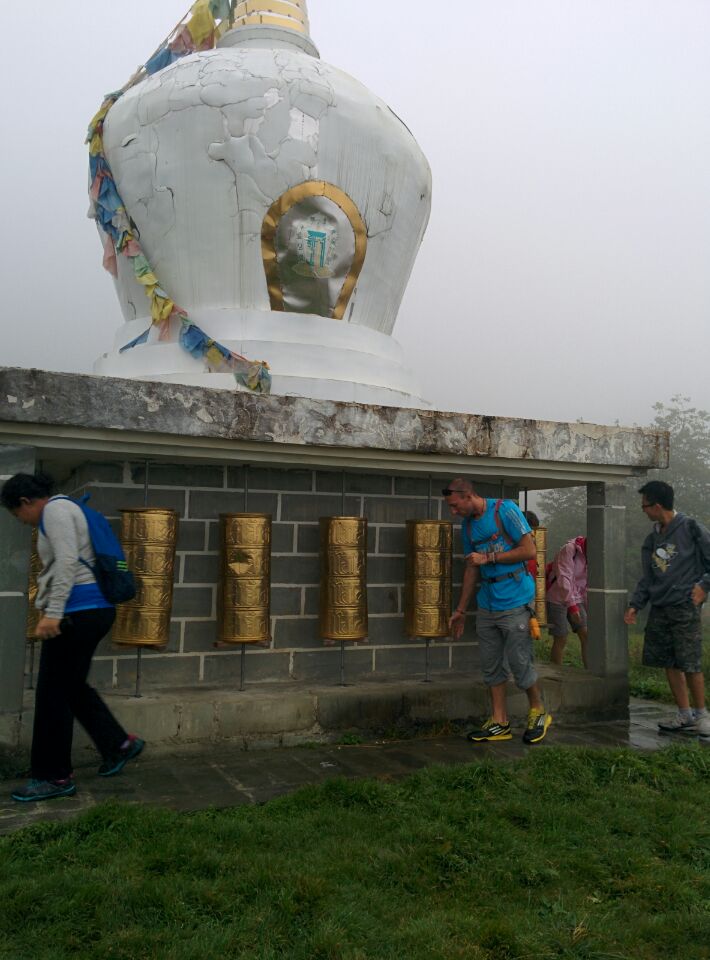
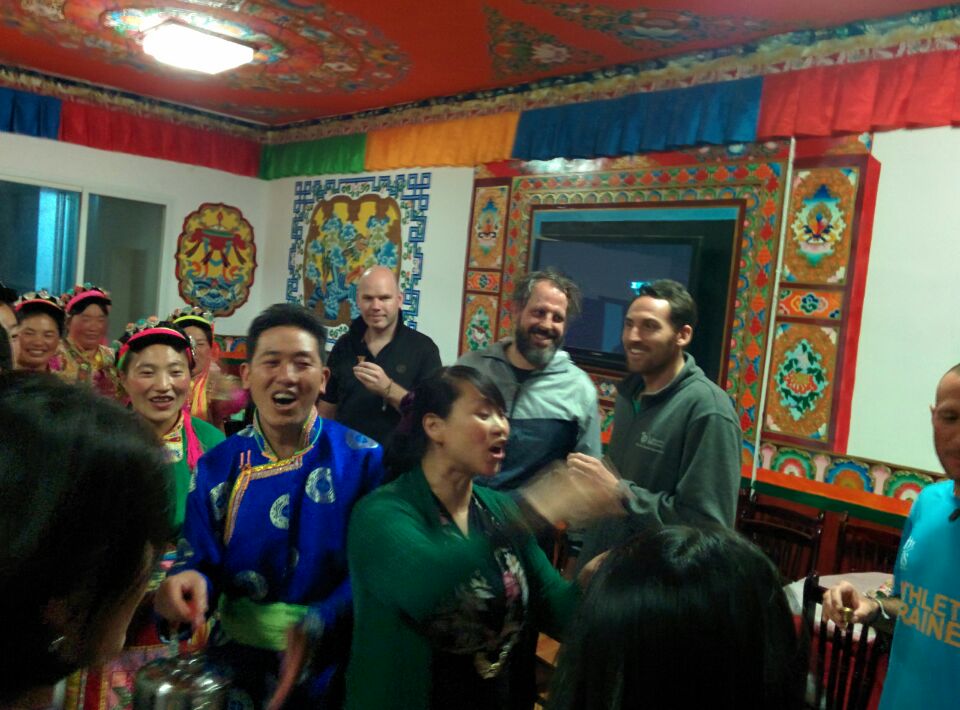
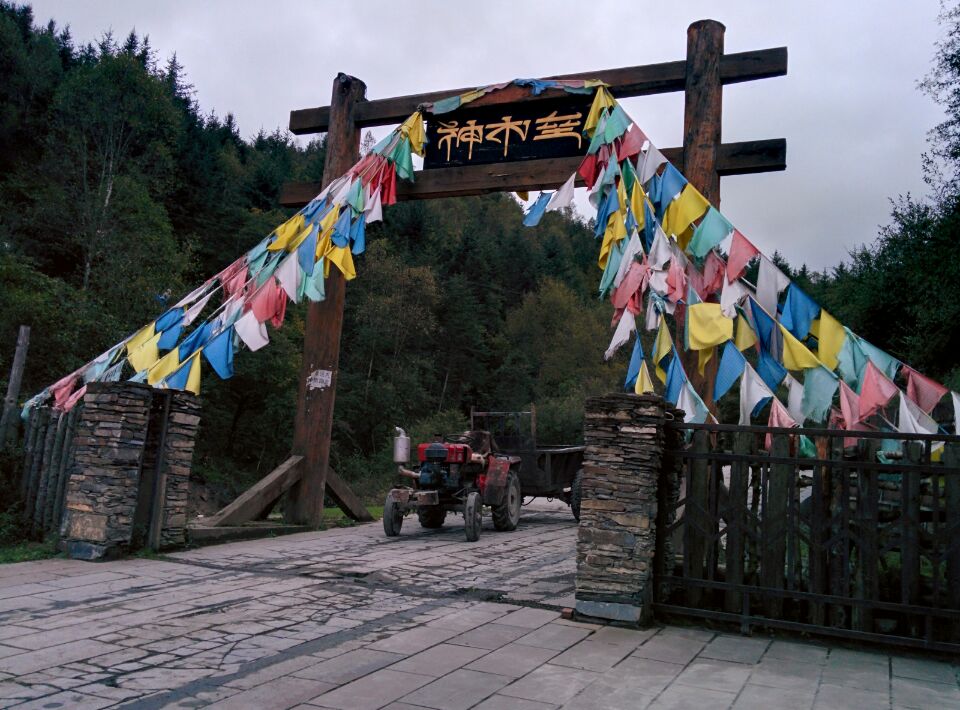
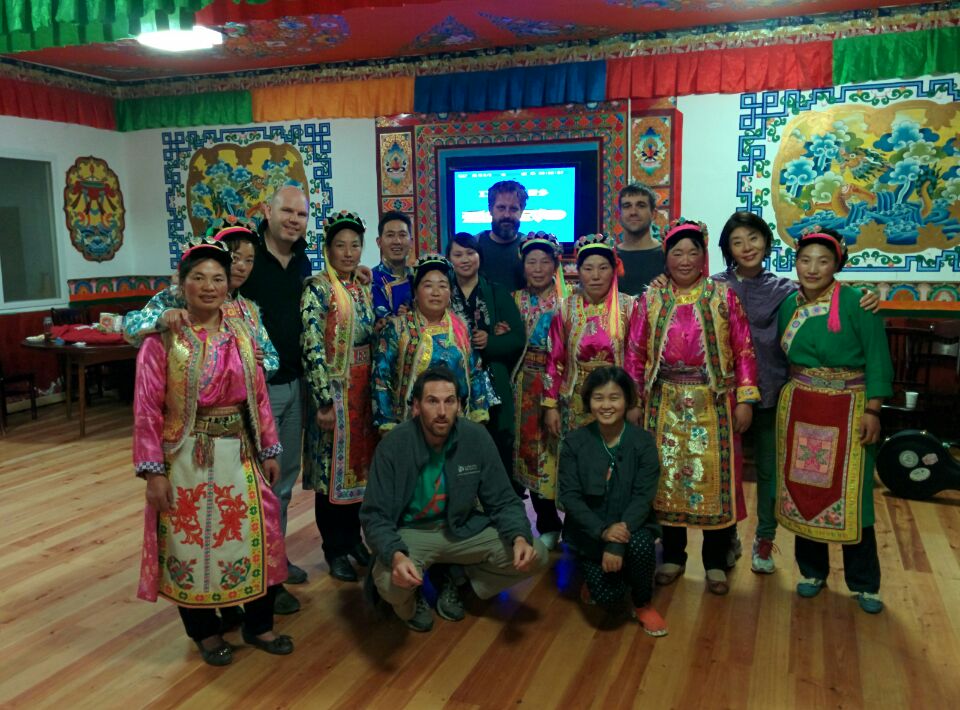
Jiarong tend to be people of the valleys, farming the land in terraced plots up the mountainside, though a few take to the high plateaus where they live semi-nomadic tending their yal. The Jiarong culture: their impressive stone houses decked with praer flags, ancient stone watchtowers, and women clad in colorful hand-woven belts, aprons and headresses. most Jiarong Tibetans worshop mountain gods and practice Tibetan Buddhism, though about 10% follow the pre-Buddhist religion of Bon.
Possible Topics to Explore:
1. Local culture and lifestyle, compared to Han Chinese and otherr Tibetan-subgroups
2. History of Yaoji, including pre-Communist history. and any knowledge
3. Changes in the village, way of life, and residents' attitudes over time
4. How China's economic boom has affected Yaoji
User reviews
Leave a review
Add Review

Photos of Yaoji Tibetan village
