Barcelona Waterfront

The city waterfront is one of the best areas to relax, spend your freetime and also have lunch or dinner. It starts at the foot of the Montjuic Hill and extends all the way to the limit of the city with the Besos river.

As you explore it, you'll be covering different areas, each of th...

The city waterfront is one of the best areas to relax, spend your freetime and also have lunch or dinner. It starts at the foot of the Montjuic Hill and extends all the way to the limit of the city with the Besos river.

As you explore it, you'll be covering different areas, each of them with its own personality and attractions. Covering it on foot can take you at least a whole morning (or more!), but in a private chauffeured tour you can get an overview in a nice and short ride. Here is what you can see there:

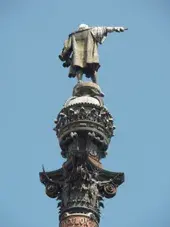
  • Old Port: Columbus sculpture (take the elevator to the top!), Maritime Museum inside the medieval shipyards, Moll de la Fusta (the Wood Pier, a nice walk where you'll also see the Lobster sculpture by Javier Mariscal and the Face of Barcelona by Roy Liechtenstein), the Rambla de Mar walk board that takes you to the Maremagnum (a shopping mall, with the Aquarium and the Imax cinema), Port Vell marina.
  • Barceloneta District: the Old Fishermen section, now a great place to have some tapas in one of the dirty but authentic bars of the inside alleys, or a fullfilling paella by the marina. There are plenty of restaurants behind the Palau de Mar (also Museum of History of Catalonia) and along Passeig Joan de Borbó. At the very end rise the tower of the Cablecar to the Hill of Montjuic and the remarkable Sail-Building (W Hotel). Here start the city beaches.
  • Olympic Village. An old factory district was torn down to build the neighborhood where the athletes would stay during the 1992 Olympics. The area is great for restaurants (along the beach as well as the Vila Olímpica marina) and nightclubs (beach area), but also for contemporary architecture lovers. Here you'll see the two tallest buildings in town: the Arts Hotel and the Mapfre tower, and also the Fish sculpture by Frank Gehry. There is also a small shopping mall in the area with a movie theater featuring movies in English.
  • Poblenou and Forum. Although most tours don't cover this last area of the waterfront, you might be interested in continuing your stroll along the beach past the Olympic Village marina. In 2004 we held here the Forum of Cultures, and used this international event to renovate the last run down area of our waterfront. Poblenou is a local neighbourhood that keeps its traditional feel. If you are curious about the city life, take a walk along the Rambla del Poblenou, stop at Tio Che for an orchata drink and maybe explore the Poblenou cemetery, the oldest in town. As you continue to the east, the industrial revolution landscape will transform into modernity with the high tech design Diagonal Mar parc. You can stop for some shopping at the Diagonal Mar shopping mall, then head to the Forum area to see the Blue Building (now Museum of Natural Sciences), an interesting-looking solar plant and the views over the Forum Marina. The area has several hotels for congresses and business meetings.

La Rambla

La Rambla is probably the most famous street in Barcelona. In the middle ages, the area flooded when it rained, but as most of the year it remained dry it became a popular place for outdoor markets and hanging out.

Starting from the Old Port (Port Vell) you'll see the Columbus statue ...

La Rambla is probably the most famous street in Barcelona. In the middle ages, the area flooded when it rained, but as most of the year it remained dry it became a popular place for outdoor markets and hanging out.

Starting from the Old Port (Port Vell) you'll see the Columbus statue and you'll be in the very beginning of the street. In this first part in the weekends there is an artisan crafts market. You can also visit here the Wax Museum and the Maritime Museum.

A bit further up start the outdoor cafes, but I don't recommend seating there unless you want to be ripped off: they'll charge you a lot of money for just average quality: you are paying for the great location. Have a look at Plaça Reial (a nice porched plaza with palm trees and fountains), and visit Palau Guell: an early work of the architect Antoni Gaudi.

In the middle section stands the Liceu, our opera house. Not far, look under your feet to find a colorful mosaic by the surrealist artist Joan Miró. The Bruno Quadres building with its Asian decoration is worth a picture aswell. After passing it, you'll be crossing the Flower Market.

To your left hand side you'll see the famous Boqueria food market - probably one of the best in the whole world! It's best visiting Tuesday to Saturday in the mornings and early afternoon.

Further up there is little left of the formers Birds Market, now transformed into unauthentic souvenir stalls. But before reaching the end, have a look at the Canaletes fountain (easy to miss, as it looks like a streetlamp!). If you drink its water, the legend says you'll come back to Barcelona again!

La Rambla finishes in Plaça Catalunya, the heart of the City. You'll have covered a bit more than half a mile, enjoy the city heartbeat and probably taken a few pictures of the mimes and other performers (remember to give them a coin, please!).

But pay attention as pickpockets like acting in this street, and don't participate in street gambling either: it's a scam!

During a chauffeured tour (depending on your timing and itinerary), you might be able to have a ride along La Rambla. Instead, usually walking tours of the Old Town or the City Center will only cover the upper section of it.