Kuala Lumpur Attractions


Central Market KL
The Central Market was built in 1888 by the British Colonial Government to be used as a wet market for Kuala Lumpur's early citizens. It was here that the tin-miners bought their fresh produce and other food ingredients to feed their mine workers. It is located beside the Kla...
The Central Market was built in 1888 by the British Colonial Government to be used as a wet market for Kuala Lumpur's early citizens. It was here that the tin-miners bought their fresh produce and other food ingredients to feed their mine workers. It is located beside the Klang River as road communications were insufficient and the river was used as a main transport channel.
By 1933, further expansions were made to the market to include warehouses. As KL experienced rapid development in the 1970s, plans were made by the authorities to demolish the site in order to make way for the Dayabumi Complex. However, there was much objection to this move to eradicate the Market and intervention by the Malaysian Heritage Society proved timely as they successfully petitioned against the destruction of the building and the site was declared as a "Heritage Site".
This wet market was very convenient to the early city dwellers because it was within the vicinity of the Klang Bus Station, a feeder bus service for KL and PJ as well as Klang. The KL Railway Station was also within walking distance. There was always the presence of fishy smells in both the buses and trains as commuters took home their provisions.
In 1985, the Central Market was renovated and renamed Pasar Seni. It ceased being a wet market and was transformed into a indoor bazaar with more than a hundred small shops, hawker centre, restaurant, fast-food outlet, selling all kinds of souvenirs and crafts, batiks etcetera.
The Annexe building at the back of the main building houses art galleries, theatre and performing arts centre beside housing many arts & crafts shops. It is one of the major art spaces in KL and is a hotspot for creative arts activities all year round.
The walking mall, also known as Kasturi Walk is an open-air bazaar which also sells many souvenirs besides housing street musicians and buskers.
Sunway Lagoon
5 different themed parks in 1 amazing destination.
Sunway Lagoon is Asia's Best Attraction. This multi-award winning attraction is recognized by the International Association of Amusement Parks and Attractions (IAAPA) as Asia's Best Attraction for four consecutive years (2007 &nda...
5 different themed parks in 1 amazing destination.
Sunway Lagoon is Asia's Best Attraction. This multi-award winning attraction is recognized by the International Association of Amusement Parks and Attractions (IAAPA) as Asia's Best Attraction for four consecutive years (2007 – 2010).
Whether you are looking to cool down in the tropical sun @ Asia's Best Water Park, looking for a hair-raising experience @ Scream Park, enjoying the thrilling rides @ Amusement Park, getting your adrenaline pumping @ Extreme Park, or getting up close and personal with your favourite animals @ Wildlife Park, there is something for all @ Sunway Lagoon.
Sunway Lagoon is also home to the regions hottest events and concerts. Glitz and glamour, or cool and happening, Sunway Lagoon has hosted the most sought after events in the region like the MTV World Stage (2009, 2010 & 2012), Arthurs Day Celebration and the Quiksilver Revolution Tour.
With more than 80 rides and attractions, and within 15 minutes from Kuala Lumpur, Sunway Lagoon is the ultimate destination you’ll have to visit when you’re in town!
Top Kuala Lumpur Tours

$155 Per Day
A Must Visit - Putrajaya, Malaysia New Administrative Capital
The Charm of Putrajaya
Tropical Gardens,Lakeside Cafe, Lake Cruise
If you are in Malaysia, do pay a visit to Putrajaya- a totally different city from Kuala Lumpur - the new administrative capital of Malaysia. She is a charming modern eco city with award-winning architectures, surrounded by tropical gardens and a total of 60 lakes. In Putrajaya, the commitment to nature is to replant a tree for any tree removed. Visit the Botanical Garden. Visit the 'floating' Pink Mosque.
...Read moreThe Charm of Putrajaya
Tropical Gardens,Lakeside Cafe, Lake Cruise
If you are in Malaysia, do pay a visit to Putrajaya- a totally different city from Kuala Lumpur - the new administrative capital of Malaysia. She is a charming modern eco city with award-winning architectures, surrounded by tropical gardens and a total of 60 lakes. In Putrajaya, the commitment to nature is to replant a tree for any tree removed. Visit the Botanical Garden. Visit the 'floating' Pink Mosque.
The optional 45-minutes Putrajaya Lake Cruise on a 400-hectare man-made lake enables you to have a whole view of Putrajaya.

$155 Per Day
The Other Side of Kuala Lumpur - The Best Trip in KL
Discover the Hidden Gem of Kuala Lumpur Off-Track
As the capital of Malaysia, Kuala Lumpur started humbly as a muddy estuary, and today Kuala Lumpur has transformed into a modern city with two million population. The multi-racial society here are humble, peaceful and harmonious.
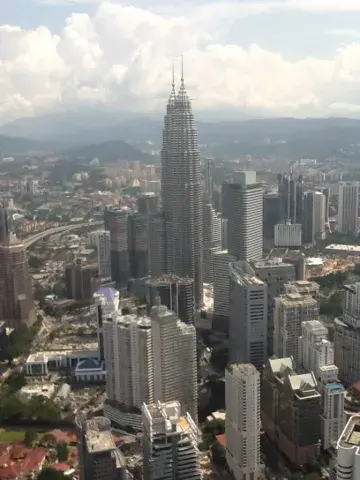
Visit the magnificent Petronas Towers, the vibrant local street markets, the hidden villages beneath the modern skyscrapers, the local arts and crafts and the mouth-watering cuisine of Asian Melting Pot. Let's make the most of your limited free time while you are here in Malaysia.
...Read moreDiscover the Hidden Gem of Kuala Lumpur Off-Track
As the capital of Malaysia, Kuala Lumpur started humbly as a muddy estuary, and today Kuala Lumpur has transformed into a modern city with two million population. The multi-racial society here are humble, peaceful and harmonious.
Visit the magnificent Petronas Towers, the vibrant local street markets, the hidden villages beneath the modern skyscrapers, the local arts and crafts and the mouth-watering cuisine of Asian Melting Pot. Let's make the most of your limited free time while you are here in Malaysia.
Itinerary :
Pick up from hotel
A Visit to Batu Caves
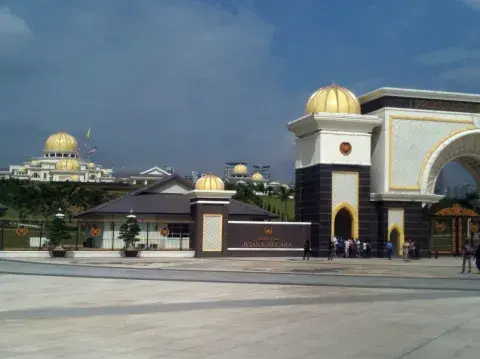
The Supreme Monarchy Palace
Batek Gallery
National Monument
Petronas Twin Tower
Head back to hotel

$155 Per Day
Petronas Twin Tower - The Asian Melting Pot Private Tour
This is a private half-day tour, enables you to drive around Kuala Lumpur in a comfortable private vehicle leisurely without much hassle and with minimal walking and sweating. It embraces a rich tapestry of historical heritage, cultural and religious landmarks, and the soaring skyscrapers that define this dynamic metropolitan city.
Pick up from hotel
Batu Caves
Southern Indian food testing
Batek Gallery
National Mosque
Petronas Twin Tower photo stop
Head back to hotel