Japan Attractions



Top Japan Tours
$45 Per Day
The Alternative Fushimi Inari Walking Tour
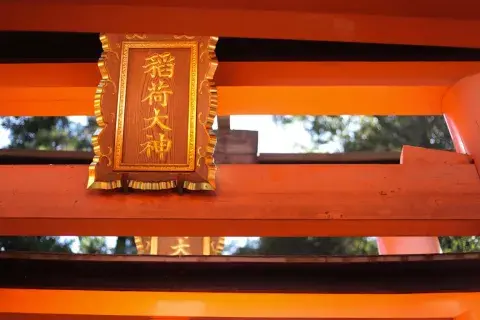
The Fushimi-Inari Shrine is more than its famous tunnels of vermillion-red torii gates. Dive deep into the world of Inari with this 3.5-hour narrated walking tour about dragons, political resistance, and the story behind Japan’s most successful religious franchise.
Guided by a Singaporean living in Fushimi.
...Read moreThe Fushimi-Inari Shrine is more than its famous tunnels of vermillion-red torii gates. Dive deep into the world of Inari with this 3.5-hour narrated walking tour about dragons, political resistance, and the story behind Japan’s most successful religious franchise.
Guided by a Singaporean living in Fushimi.
Did you know- Fushimi-Inari is the only shrine complex in Japan where there are more private shrines (a whooping 10,000!) than official shrines
- Some fox statues have special bibs – you’ll have to look carefully – and they are all put up by devotees, not the shrine itself
- You can send postcards to Oseki-san, a god on Inariyama, to ask for deliverance from severe coughs and breathing difficulties
- Is held in English
- Runs daily except Tuesdays from 8:30am – 12:00 noon
- An intimate experience: Up to 8 travelers per group
- Takes 3.5 hours with short breaks in between
- Departs from the big torii gate at the entrance
- Goes off the beaten track: visit private shrines not on the official map
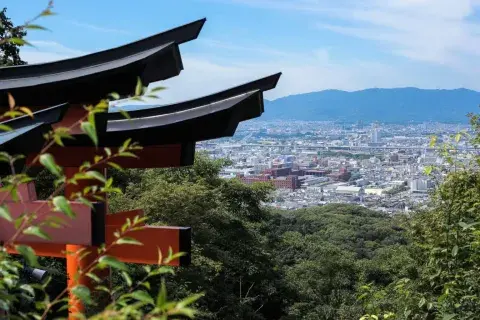
- Takes you to the top for an scenic view of southern Kyoto City
- Brings you on a closer look at craftsmens’ shrines and healing shrines
- The Hindu and Buddhist origins of some of the symbols
- Mystical practices and folk beliefs not written about in the official narrative
- The portrayal of the shrine in anime and pop culture
$55 Per Day
The Alternative Fushimi Inari Walking Tour
The Fushimi Inari Shrine is more than its famous tunnels of vermillion-red torii gates. Dive deep into the world of Inari with this 4-hour narrated walking tour about dragons, political resistance, and the story behind Japan’s most successful religious franchise.
Guided by a Singaporean living 5 minutes away from Fushimi Inari.
★★★★★ 5 star reviews on TripAdvisor.
Did you know
...Read moreThe Fushimi Inari Shrine is more than its famous tunnels of vermillion-red torii gates. Dive deep into the world of Inari with this 4-hour narrated walking tour about dragons, political resistance, and the story behind Japan’s most successful religious franchise.
Guided by a Singaporean living 5 minutes away from Fushimi Inari.
★★★★★ 5 star reviews on TripAdvisor.
Did you know
- You can send postcards to Oseki-san, a god on Mt Inari, to ask for deliverance from severe coughs and breathing difficulties
- Fushimi-Inari is the only shrine complex in Japan where there are more private shrines (a whooping 10,000!) than official shrines
- The real stars of Mt Inari are neither the torii gates nor the foxes—the hidden streams, waterfalls, and great cedar trees off the main trail are
This tour:
- Is held in English
- Runs daily except Tuesdays from 8:30am – 12:30pm
- An intimate experience: Limited to 8 travelers per group
- Takes 4 hours with multiple breaks in between
The route:
- Departs from the big torii gate at the entrance
- Goes off the beaten track: visit private shrines not on the official map
- Brings you to a scenic view of southern Kyoto City
- Give you on a closer look at healing shrines
- Takes you on a hidden route to nearby Tofukuji Temple (optional entry to the Hojo costs ¥400). You will be guided to nearby Tofukuji Station after.
You’ll learn about:
- The Hindu and Buddhist origins of some of the symbols
- The Korean and Tang Dynasty Chinese influence on Mt Inari
- Mystical practices and folk beliefs not written about in the official narrative
- The Edo-era craze about foxes and Inari Shrines
- The portrayal of the shrine in 19th century manga, and 21st century anime
The 30,000-strong Inari network of shrines is the largest in Japan. The Fushimi Inari is regarded as the head shrine for them all. But why did people flock to this 233-meter mountain in the first place? Let XJ take you on a tour through time and controversy in the Alternative Fushimi Inari Walking Tour.
$3980 Per Day
Spiritual Japan Tour
This Spiritual Tour is open to anyone who has an interest in Zen, Zazen, Reiki, Yoga , Tai Chi or other spiritual directions....Read more
This Spiritual Tour is open to anyone who has an interest in Zen, Zazen, Reiki, Yoga , Tai Chi or other spiritual directions. Highlights: Discover reiki roots in Tokyo and Kyoto; Visit Mount Fuji, temples, shrines, tea ceremony, chanting and meditation, hot natural spa, Tokyo trendy spots, architecture and much more; Tai Chi / Qi gong workshop; Lecture about Zen; Reiki lecture by the Japanese Reiki Master; Have dinner in a traditional Japanese restaurant, in a temple, and in a traditional Japanese guest house (Ryokan). A night stay in a ryokan in Kamakura. You will experience Japan in a very special way!