


Thousand Buddha Mountain
I recommend visiting Thousand Buddha Mountain every few days during your stay in Jinan. Admission to the mountain costs 15 yuan, or you can purchase a year pass for 45 yuan. While there are many entrances to the grounds on all sides of the park, year passes can only be obtained at the Zheng Men (...
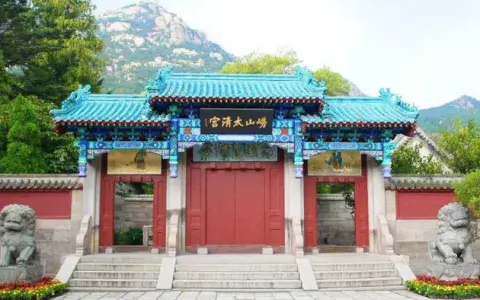
I recommend visiting Thousand Buddha Mountain every few days during your stay in Jinan. Admission to the mountain costs 15 yuan, or you can purchase a year pass for 45 yuan. While there are many entrances to the grounds on all sides of the park, year passes can only be obtained at the Zheng Men (正门), or main gate. The main gate is at the southern end of Qian Fo Shan Road (千佛山路, and the ticket office to the right of the gate sells year passes. Be sure to bring a passport photo in order to acquire the year pass.
 |
There is a totally cool copper Buddha figure which measures 80 feet (25 m) in height. At the foot of the Buddha visitors can roller-skate or burn incense and pray. |
Fly an eagle kite, bring a book or some playing cards, or just sit back and watch the local Chinese and foreign communities of Jinan stretch their legs together. Just to the west of big Buddha is a large concrete statue of Guanyin, a female Buddha, sitting atop a labyrinthine cave complex.
Jogging, sitting, singing, and tai chi all take place throughout the extensive grounds. Plenty of public art displays within the gradens make for an enjoyable morning or afternoon stroll. Still, the best part of the grounds is the mountain itself. Climbing a little in elevation to improve your view of Jinan is simply great. Sometimes we all just need to get out of the morass and gain perspective. When you reach the summit of Thousand Buddha Mountain look to the south of Jinan....into the mountain range which leads up to Mount Tai... the foremost Taoist peak in China!
Chinese Website
Drink Tsingtao in Qingdao
If you’ve spent any time at all in China or have a taste for foreign beers, you’ve probably heard of Tsingtao. While it’s not the most popular beer in China (that honour goes to Snow), it’s definitely China’s most famous malty export.
If you’re wanting to take your love affair with Tsingtao...
If you’ve spent any time at all in China or have a taste for foreign beers, you’ve probably heard of Tsingtao. While it’s not the most popular beer in China (that honour goes to Snow), it’s definitely China’s most famous malty export.
If you’re wanting to take your love affair with Tsingtao to a new level, you can pay a visit to the German-inspired beach town of Qingdao. Home to both the Tsingtao Brewery & Museum and the Qingdao International Beer Festival, it’s a place for a beer lover’s pilgrimage.
Beyond the suds, Qingdao is a picturesque city of beaches, clifftop art installations, German architecture, and good food.
If you need our guide/assistant/sourcing/interpreter, welcome to contact us.:)
We can custom your trip and guide you.
Please click my photo and add my contact. Let's talk details.
Thanks for reading.
Jessica In China (86-13570345653)