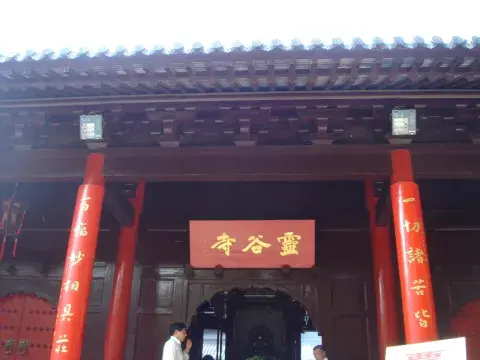
As a tourist in China, there are a plenty of Buddhist temples and Buddha statues to marvel at. Wuxi boasts the Giant Ling Shan Buddha (or ’Ling Shan Da Fo’).
This one you must see. Not only is it very, very big, but the whole attrac...
As a tourist in China, there are a plenty of Buddhist temples and Buddha statues to marvel at. Wuxi boasts the Giant Ling Shan Buddha (or ’Ling Shan Da Fo’).
This one you must see. Not only is it very, very big, but the whole attraction is meticulously planned and very well presented with something of interest for everyone. Here are some of the treats in store:
- The Fountain Show: This is a water show choreographed to music with commentary (in Chinese). Even if you don’t understand the commentary, the show is quite spectacular. There are shows at 10.30am, 11.30am, 2.30pm and 4.30pm - though the showtimes be altered or even cancelled during quieter times. The first show can be hard to get to on time if you catch a bus from Wuxi, so it's usually best to aim for the 11.30 show. It is also worth checking on the wind direction before choosing a spot to stand, especially if you'd like to protect your camera, as you can get quite damp on the down-wind side.

- The happy Fat Buddha with a hundred playful Buddha babies climbing all over him.


- The big Buddha himself. Ascending the steps to the feet of the giant standing Buddha is no easy climb.

Entrance fees
These have a way of changing with the season. Recently it cost 80 yuan to enter the grounds. This ticket will give you access to almost everything. Upon last check an extra 15 yuan gets visitors into the museum at the base of the Buddha and right up to touch his feet.
Getting There
The number 88 bus goes from outside the railway station to Ma Shan (马山) where the Buddha is located. Unlike other buses the no. 88 bus allows passengers to pay according to how far they travel. There is a conductor who sells tiny paper tickets. The ride to Ma Shan costs 4 yuan. It is possible to catch the bus at other stops along the route, which goes along the Grand Canal and across the LiangXi bridge. However, the trip is quite long (about an hour, and fairly bumpy), so it's worth trying to get on the beginning in order to get a seat.
As you arrive at the number 88 bus station you will be beset by a number of operators with mini-vans hoping to take you on a guided tour. They usually ask for about 100 yuan. It's your choice. The bus is good value, and you probably don’t really need them to show you around. When you return from your visit, the operators will still be there. You may decide take a ride back with one of them if you can bargain the price down. This return scenario might end up being a little faster and comfortable in exchange for the higher cost.

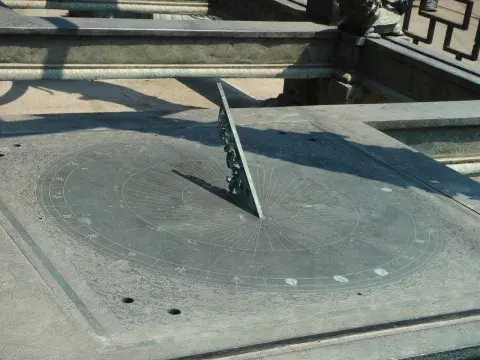
 Purple Mountain Observatory contains astronomical instruments dating back to the Ming Dynasty. The modern observatory began operating in 1934 and is still actively i