Teotihuacan
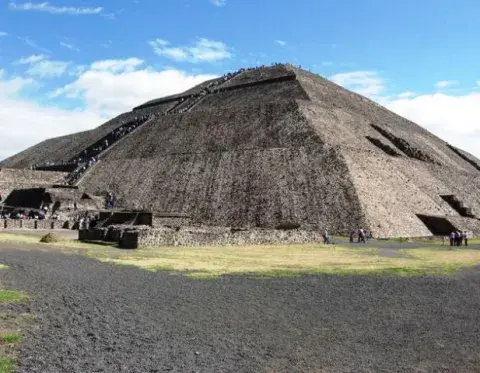
Teotihuacan is one of the most known and most famous tourist attractions in the world. It is located on a large territory some 30 miles away from Mexico City. Some of the largest pyramids from the pre-colombian period can be found here. Teotihuacan stretches on an area of about 80 square km while...
Teotihuacan is one of the most known and most famous tourist attractions in the world. It is located on a large territory some 30 miles away from Mexico City. Some of the largest pyramids from the pre-colombian period can be found here. Teotihuacan stretches on an area of about 80 square km while it is estimated that there lived ove 120,000 residents.
Having in mind the size of the area where Teotihuacan stretches one can say that this was actually the first great city on the continent.
The name of the site, Teotihuacan, means the City of the Gods in the language of the indigenous people.
The most important facts and findings about the site are found in the writings of Spanish and native people. Teotihuacan lived the best years during the third and fourth century while during 6 and 7th centuries it started to decline. Most probable reason would be that the decline occurred because of the drought. In the 8th century, Teotihuacan was invaded and burned which caused the abandonment of the greatest city.Even today, there is no absolute certainity about the real founders of this marvelous city.
Calzada de los Muertos (Avenue of the dead) is the central street about 4 km long and 50 m wide.
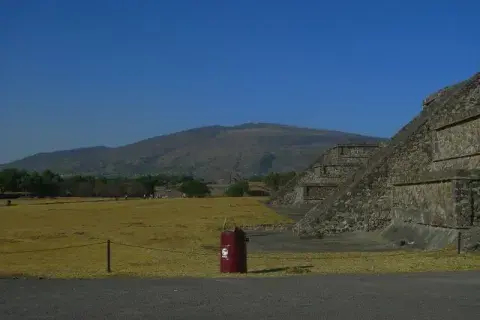
One of the most important structures and the largest one on this site is the Pyramid of the Sun (Piramide del Sol). Its name comes from the Aztecs who named it when they came to Teotihuacan, centuries after it was left abandoned so the original name is not known. Even though many studies have been led in order to discover the purpose of the pyramid, we still do not know if the pyramid was dedicated to some god. Also, there are evidence found which point to the fact that the Teotihuacan people made sacrifices during the construction of the Pyramid.
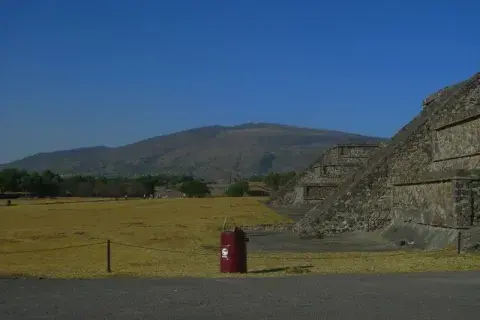
Pyramid of the Moon is located next to the Pyramid of the Sun. It is the second largest pyramid on the site. There is a platform on this pyramid and it is believed that it was a place where the ancient people led ceremonies to honor the Great Goddess of Teotihuacan. There is the Plaza of the Moon in fron to the Pyramid. A sculpture of a goddess hass been found on the site too.
La Ciudadela is a great square located on the south part of Teotihuacan, at the end of the Avenue of the Dead. On this large square are located some pyramids and structures which were used by the high ranked people and priests. The most famous structure on this square is the Temple of Quetzalcoatl which is dedicated to the rain god Tlaloc.
The Palace of Quetzapapolotl is the most luxury building in the city and because of the decorations and red color on the walls it is believed that it pertained to someone important. This Palace can be seen east of the Square of the Moon Pyramid.
Chapultepec Castle
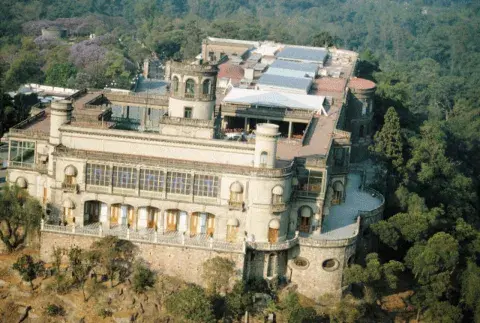
Chapultepec Castle is located on the same named hill. It was built in the 18th century at a height of over 2,000 meters above the sea level. Chapultepec in Aztec means the grasshopper´s hill and it was a sacred place for the Aztec people. It is interesting that this castle is the only royal...
Chapultepec Castle is located on the same named hill. It was built in the 18th century at a height of over 2,000 meters above the sea level. Chapultepec in Aztec means the grasshopper´s hill and it was a sacred place for the Aztec people. It is interesting that this castle is the only royal castle in both Americas. It is built in neoclassical style and it served as home to the emperor Maximiliano. Today, in the castle one can find the National History Museum, now called National Museum of Cultures. The castle became museum in 1944. It contains jewels, murals, furnishings… Because the castle is built so high people who go there can enjoy beautiful view on Mexico City.

Metropolitan Cathedral of the Assumption of Mary of Mexico City
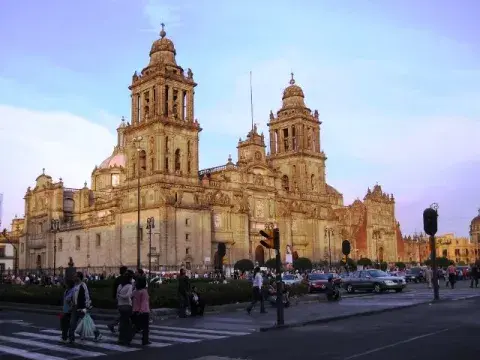
The Metropolitan Cathedral dominates the central square El Zócalo. It is the oldest cathedral in both Americas. It is actually a basilica built in various architectural styles. Before it was built, on the same place, was the Aztec sacred ground. The construction of the cathedral lasted fro...
The Metropolitan Cathedral dominates the central square El Zócalo. It is the oldest cathedral in both Americas. It is actually a basilica built in various architectural styles. Before it was built, on the same place, was the Aztec sacred ground. The construction of the cathedral lasted from the 16th until the 19th century. The cathedral has two 67 m high towers with total of 25 bells, and like many churches, there are catacombs underneath the cathedral. Inside of the cathedral one can admire many works of art, organs which date from the 18th century, 16 chapels of which 14 are open to public, a sacristy, baptistery, altars, etc.

Constitution Square
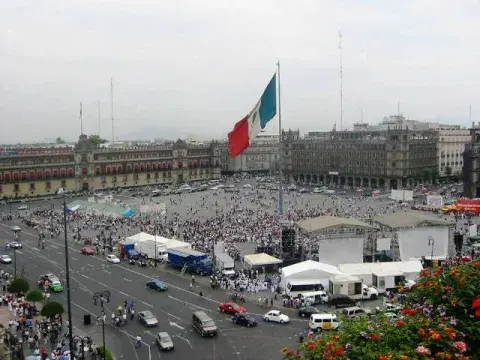
Plaza de la Constitución (Constitution Square) called also el Zócalo is the main square in the historic centre of Mexico City. The square is the centre of the city it today as it has been since the Aztec Times. Around the square, one can see many important historic buildings such as...
Plaza de la Constitución (Constitution Square) called also el Zócalo is the main square in the historic centre of Mexico City. The square is the centre of the city it today as it has been since the Aztec Times. Around the square, one can see many important historic buildings such as the Metropolitan Cathedral and the National Palace. It is the largest square in Latin America and the third in the world after the squares of Moscow and Beijing. Many events are held here such as ceremonies, religious events and festivals. People on the square can enjoy drinking coffee, eating in a restaurant or just watching multitude of people passing by.

Palace of Mines
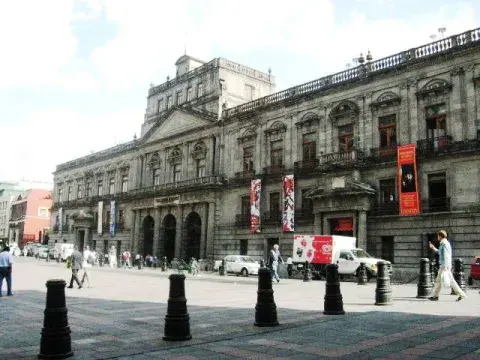
Manuel Tolsá designed this beautiful palace. It is built in neoclassical style in early 19th century. The principa purpose of the building was to house the Royal School of Mines while with the passing of time it was home to other institutions such as; National University, School of Engenee...
Manuel Tolsá designed this beautiful palace. It is built in neoclassical style in early 19th century. The principa purpose of the building was to house the Royal School of Mines while with the passing of time it was home to other institutions such as; National University, School of Engeneering, College of Mines and the Institute of Physics.
Due to the architectural and cultural importance of the building, today it houses a museum owned by the Faculty of Engeneering.
Inside of the building people can admire the Auditoruim and beautiful stairs. Palacio de Mineria often houses various culturally important events and that way attracting numerous people.

National Palace
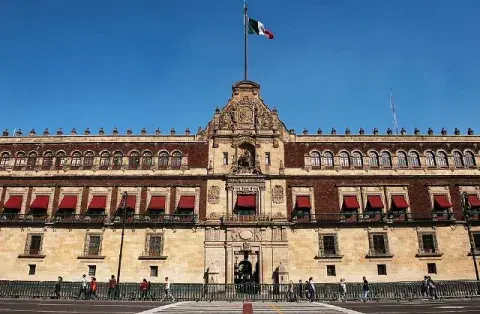
This important building is the seat of the federal executive and it located in the sole city center. The great city square called Palaza de la Constitución stretches in front of this building. Even though this building host some important offices, visitors are allowed to go through some of...
This important building is the seat of the federal executive and it located in the sole city center. The great city square called Palaza de la Constitución stretches in front of this building. Even though this building host some important offices, visitors are allowed to go through some of them and in that way see the interior of the building.
The exterior of the building is painted in dark red color. Two towers are located on the front facade and together with the central part they form the three main doorways. The main balcony used for special ceremonies and for presidential appearances is located in the central doorway.
There is a spacious patio inside of the building. Baroque arches surround it while the murals made by Diego Rivera describe the history of Mexico. This description is called the Epic of the Mexican People. Rivera made a fantastic work and vividly described the history from the arrival of the Spaniard until 1930.

Great Temple
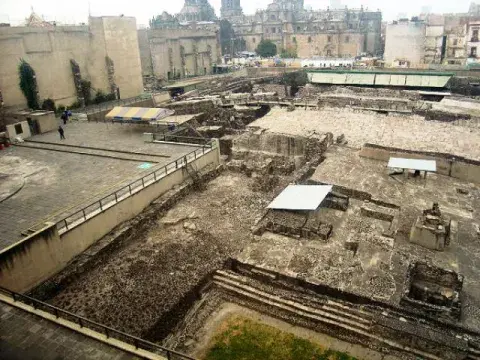
Templo Mayor or Great Temple was a stone pyramid built in the 14th century. It has two Aztec temples dedicated to two gods; god of war Huitzilopochitl and to god of rain and agriculture Tlaloc. After the arrival of European conquistadors the Tenochtitlan (as it was called) was completely lost. It...
Templo Mayor or Great Temple was a stone pyramid built in the 14th century. It has two Aztec temples dedicated to two gods; god of war Huitzilopochitl and to god of rain and agriculture Tlaloc. After the arrival of European conquistadors the Tenochtitlan (as it was called) was completely lost. It was only in 1978 when an Aztec carving was found that the temple was excavated.
These temples have a central staircase on which human sacrifices were made for gods. Many of the artifacts can be seen in the museum while the lesser number right on the site. Here, one can see the Wall of Skulls, two full size statues of warriors and a stone eagle where once the hearts of the sacrificed people were placed.