Intramuros

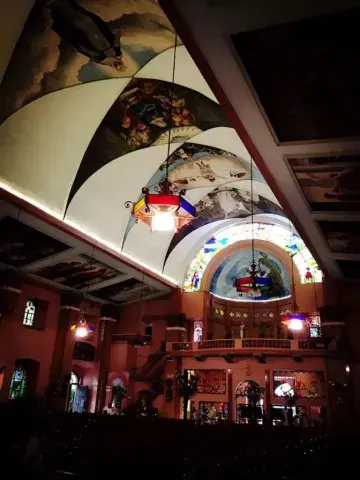
Intramuros is a historic walled city of Manila. It is the original city of Manila which was founded by the Spanish government that ruled here during the colonial period. It is the historic centre of the capital of Philippines. The name Intramuros means within the walls.

Even though the lo...

Intramuros is a historic walled city of Manila. It is the original city of Manila which was founded by the Spanish government that ruled here during the colonial period. It is the historic centre of the capital of Philippines. The name Intramuros means within the walls.

Even though the location was already used by many tribes who lived in the area, and who developed a trade system with the neighboring countries and tribes. After the arrival of the Spaniards, they begun the construction of the city in the 16th century. Governor and general Santiago de Vera begun the planning of the city development and it was continued by other high officers such as Juan de Silva, Juan Nino de Tabora and Diego Fajardo Chacón. This type of construction was typical of the European cities of the period. Of course, the colonizers brought with them their own customs and traditions which slowly blended with the customs of the area.

The most important cause for the construction of these high walls was the defense system, while inside of them, as in many other European cities were located a central square around which were constructed important buildings for the city such as; the cathedral  and the other churches, schools, government buildings and houses.

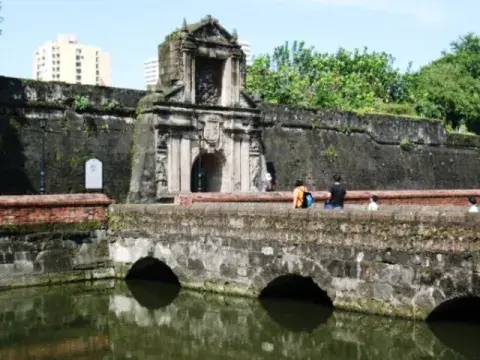
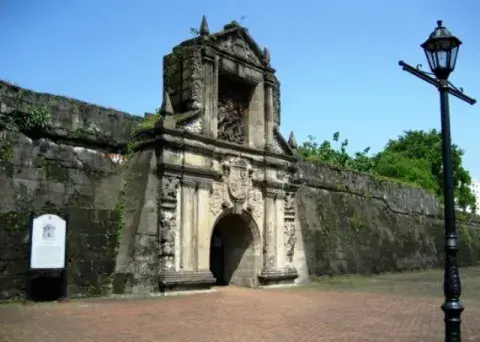
The walls follow the line of the bay and along the massive walls were located towers and other defense forts. The city could be entered by several gates in the city walls which could be approached by the drawbridges. As in many other cities these drawbridges could not be crossed between 11pm and 4am.

The walls suffered a great destruction during the Second World War. Intramuros is a National Historical Monument and even though a lot of effort has been invested into its reconstruction these exists a fear that the damage could be irreparable.
Museum of the Filipino People

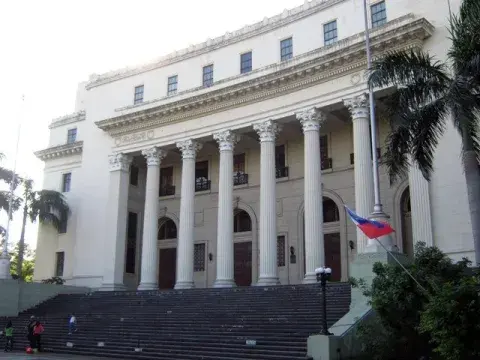
Museum of the Filipino People belongs to the National Museum of the Philippines. The building itself is very beautiful and it was designed by Ralf Harrington Doane who also designed the public library. Even though the construction began in 1918 it was completed eight years later because the const...

Museum of the Filipino People belongs to the National Museum of the Philippines. The building itself is very beautiful and it was designed by Ralf Harrington Doane who also designed the public library. Even though the construction began in 1918 it was completed eight years later because the construction was stopped several times. Its second, third and fourth floor served for government purposes while during the Second World War it was severely damaged. A year after the end of war the building was renovated  and in 2003 the building was reconstructed again and now it hosts the National Museum.

The Museum of the Filipino People has several exhibits. The San Diego Exhibit is located on the ground floor; Five Centuries of Maritime Trade Before the Arrival of the West exhibit shows items belonging to the pre-colonial period. These items describe the history of the trade tradition evolved in the area; The Origin exhibition describes the periods of the pre-history on the Philippines territory; Archaeological Treasures gallery presents different vessels used for various purposes. It also describes the burial practices evolved on the territory; The Filipinos and Their Cultural Heritage is an ethnographic exhibit which is of course concentrated on the history of the nation, cultures and the development in many areas of life through history and its different periods.