Intramuros

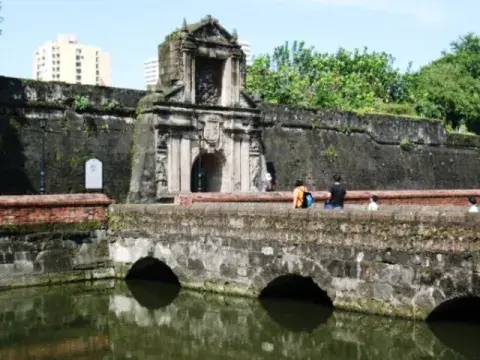
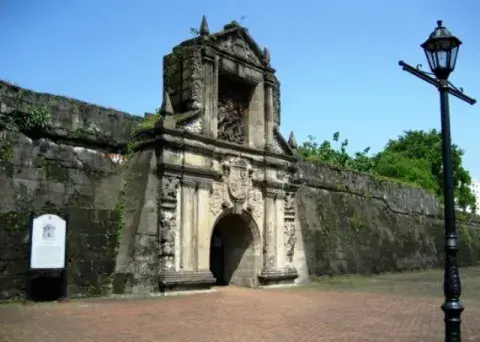
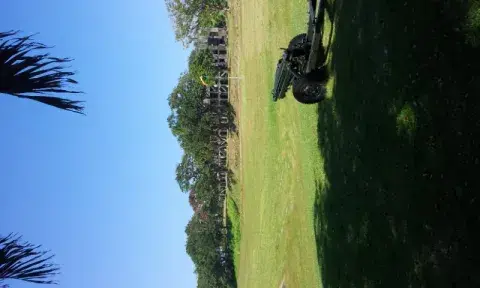
Intramuros is a historic walled city of Manila. It is the original city of Manila which was founded by the Spanish government that ruled here during the colonial period. It is the historic centre of the capital of Philippines. The name Intramuros means within the walls.

Even though the lo...

Intramuros is a historic walled city of Manila. It is the original city of Manila which was founded by the Spanish government that ruled here during the colonial period. It is the historic centre of the capital of Philippines. The name Intramuros means within the walls.

Even though the location was already used by many tribes who lived in the area, and who developed a trade system with the neighboring countries and tribes. After the arrival of the Spaniards, they begun the construction of the city in the 16th century. Governor and general Santiago de Vera begun the planning of the city development and it was continued by other high officers such as Juan de Silva, Juan Nino de Tabora and Diego Fajardo Chacón. This type of construction was typical of the European cities of the period. Of course, the colonizers brought with them their own customs and traditions which slowly blended with the customs of the area.

The most important cause for the construction of these high walls was the defense system, while inside of them, as in many other European cities were located a central square around which were constructed important buildings for the city such as; the cathedral  and the other churches, schools, government buildings and houses.

The walls follow the line of the bay and along the massive walls were located towers and other defense forts. The city could be entered by several gates in the city walls which could be approached by the drawbridges. As in many other cities these drawbridges could not be crossed between 11pm and 4am.

The walls suffered a great destruction during the Second World War. Intramuros is a National Historical Monument and even though a lot of effort has been invested into its reconstruction these exists a fear that the damage could be irreparable.

Ifugao Rice Terraces

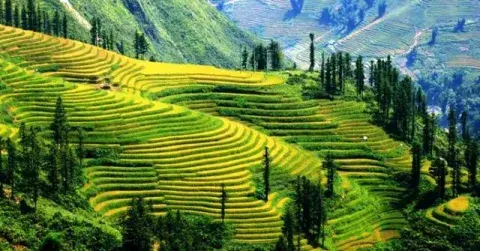
Northern Luzon is the location of the UNESCO World Heritage Site and to one of the most visited tourist attraction n the territory of the Philippines. The beautiful attraction are the rice terraces built by the Ifugao people.

The sight at the green terraces is as stunning as the sole thou...

Northern Luzon is the location of the UNESCO World Heritage Site and to one of the most visited tourist attraction n the territory of the Philippines. The beautiful attraction are the rice terraces built by the Ifugao people.

The sight at the green terraces is as stunning as the sole thought that some were built about 2000 years ago. When considering the period and the tools used, this site is more than amazing. One cannot omit thinking about the techniques used to build this irrigation system that is so sophisticated even when thinking about the technologic advances made since then.

Having in mind the European colonization of the territory, one has to notice that on the Cordilleras territory there are no traces of colonial culture. The most constructing factor is the terrain which is not easily reachable, especially at the time of conquistadors. The authentic culture of the tribes is very much preserved which is still visible from the traditions of the local inhabitants.

Needless to say, the Ifugao´s main product is rice and, of course, their culture, way of life, and many customs they perform are connected to rice.

Due to the extraordinary beauty, the site has been recognized by many tourists who come to visit and marvel the place. Thanks to the tourism, and investments in the industry, there are many activities, and accommodation options available at or near the site. Many guided tours are available, and many visitors decide to walk on the terraces.