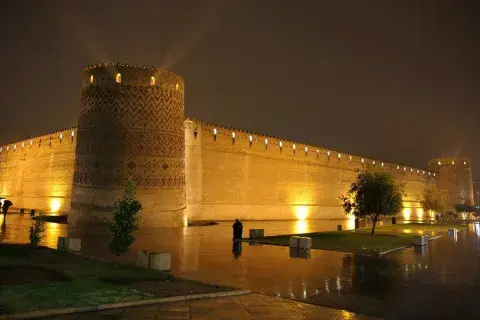
Karim Khan citadel
The Karim Khan Arg, also known as the Karim Khan Prison, was built in 1108 AH and ordered by Karim Khan Zand, the founder of the Zandi Dynasty in Shiraz. This building, which is one of Zandian's most prominent works of art, attracts many tourists every year. In 1350, the organ was entrusted with ...
The Karim Khan Arg, also known as the Karim Khan Prison, was built in 1108 AH and ordered by Karim Khan Zand, the founder of the Zandi Dynasty in Shiraz. This building, which is one of Zandian's most prominent works of art, attracts many tourists every year. In 1350, the organ was entrusted with the Cultural Heritage Organization, and its restoration began several years ago and is intended to be used as a major Fars museum upon completion of the restoration. It has beautiful brick-wood-stone architecture and garden. Rooms with colorful glasses. Some walls and a tower are subsided by settlements during years, but fixed now. Small memorial statuettes and handicrafts in good price are there for selling.

Saedi Tomb
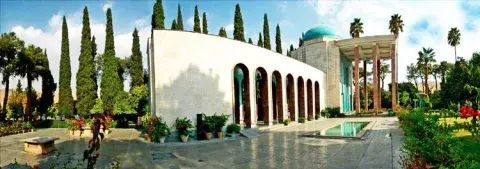
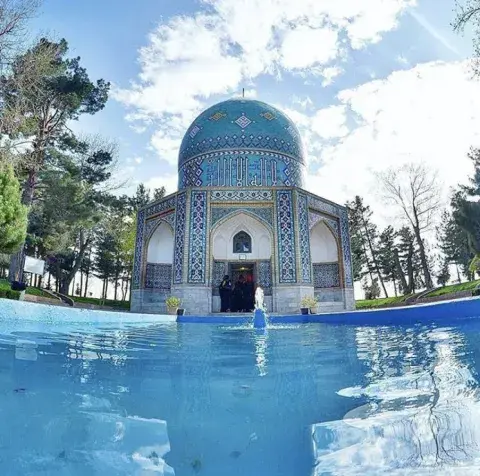
Abū-Muhammad Muslih al-Dīn bin Abdallāh Shīrāzī, Saadi Shirazi(Persian: ابومحمد مصلح الدین بن عبدالله شیرازی) better known by his pen-name as Saʿdī (Persian: سعدی) or simply Saadi, was one of the major Persian poets of the medieval period. He is n...
Abū-Muhammad Muslih al-Dīn bin Abdallāh Shīrāzī, Saadi Shirazi(Persian: ابومحمد مصلح الدین بن عبدالله شیرازی) better known by his pen-name as Saʿdī (Persian: سعدی) or simply Saadi, was one of the major Persian poets of the medieval period. He is not only famous inPersian-speaking countries, but has also been quoted in western sources. He is recognized for the quality of his writings and for the depth of his social and moral thoughts. Saadi is widely recognized as one of the most prominent and greatest poets of the classical literary tradition. His tomb is in a huge garden where you can sit for hours, there are coffee shops and stores in the garden, and do not forget to taste the Falode of Shiraz in there.

Eram Garden
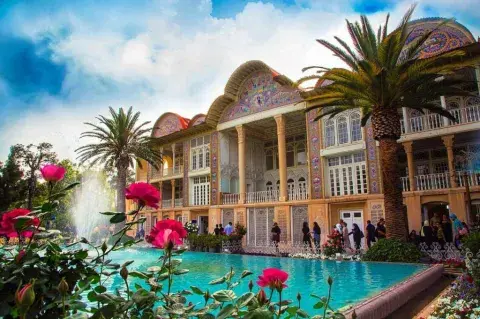
In a corner of the northwest of Shiraz, the beautiful gardens show that during the years, the cold and warm weather has been kept alive. Despite numerous studies and researches, there is still no information from the date of construction and the founder of the Garden of Eram in Shiraz; however, t...
In a corner of the northwest of Shiraz, the beautiful gardens show that during the years, the cold and warm weather has been kept alive. Despite numerous studies and researches, there is still no information from the date of construction and the founder of the Garden of Eram in Shiraz; however, the existence of the name of this garden in the 10th and 11th centuries AH travelogues indicates its existence during the said times. In each period, despite changes in the garden, its area has also increased and decreased, but today its size is about 110,380 square meters.
A large pool, water circulation in the garden and the greenery of the trees are only part of the beauty of this attraction. It is surrounded by a gardens that stare every eye.
The two upper floors of the building have columns that are inspired by the Persepolis to create their beauty and magnificence in mind. Pictures of Naser-al-Din Shah Qajar, stories from Ferdowsi and military, including Suleiman and Queen Saba, Rostam Pahlavan, Khosrow Shirin, Yusuf and Zulikha, and ancient Persian literature and religious stories, including paintings that you see on the statue of this building and immersed in pleasure you will.
What caused the name of this garden to be, is the great mansion and garden that was commissioned by the son of Imad, the king of Saudi Arabia, in order to compete with Paradise. He, hearing the description of Paradise, decided to build gardens and palaces to simulate it. He created a paradise in Damascus, Alexandria or in Yemen, between Sanaa and Hazrat Moat, a city or garden, but when he wanted to enter his army, they all died near the city and his paradise for an unknown reason sank deep inside the earth.
It has its beauty in all the seasons but it is a true paradise specialy in spring with a large range of flowers and the most delighted weather.
Naqsh-e Rustam
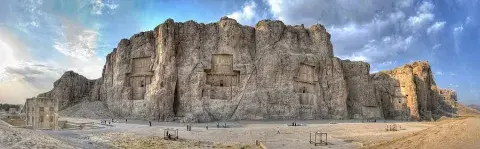
Naqsh-e Rustam is one of the most amazing and awesome ancient sites of the Achaemenid Empire in Fars province, which consist of the colossal tombs of Persian kings that dates back to the first millennium BC. Naqsh-e Rustam (means Throne of Rustam ) is located in 5 km (3 mi...
Naqsh-e Rustam is one of the most amazing and awesome ancient sites of the Achaemenid Empire in Fars province, which consist of the colossal tombs of Persian kings that dates back to the first millennium BC. Naqsh-e Rustam (means Throne of Rustam ) is located in 5 km (3 miles) to the northwest of Persepolis, the capital of the former Achaemenid (Persian) Empire in present day in Iran. it is carved on the mountains which were considered sacred in the Elamite times. the rock-cut tombs of Achaemenid rulers and their families dating to the 4 th and 5 th centuries BC, as well as richly decorated reliefs carved by the Sasanians in the 3 rd century AD are carved on this mountain. Naqsh-e Rustam was a major ceremonial center for the Sasanians until the 7 th century AD. It's a beautiful sight to visit in spring and has the best climate dring this time.

Masouleh
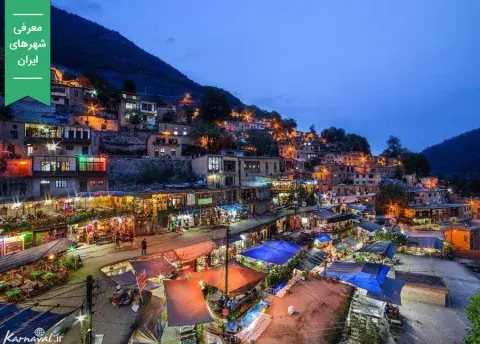
Masouleh is a village that can be reached either from Rasht or Fouman. If you have to choose between Masouleh and Rudkhan castle, I would recommend to visit Rudkhan. If you have time for both, it would be perfect. Masouleh is a quite touristic place but still authentic and well preserved. Try ses...
Masouleh is a village that can be reached either from Rasht or Fouman. If you have to choose between Masouleh and Rudkhan castle, I would recommend to visit Rudkhan. If you have time for both, it would be perfect. Masouleh is a quite touristic place but still authentic and well preserved. Try sesame sticky sweets and dry fruits, e.g. apricots!

Fire temple
Adorian Fire Temple in Tehran is a temple built during the Qaj'ar era (1785-1925). The fire in the temple was brought over from the Yazd Fire Temple, which is an Atash Behram (Fire of Victory) temple with its fire having burned for 1,500 years. This fire temple resembles the one in Yazd and...
Adorian Fire Temple in Tehran is a temple built during the Qaj'ar era (1785-1925). The fire in the temple was brought over from the Yazd Fire Temple, which is an Atash Behram (Fire of Victory) temple with its fire having burned for 1,500 years. This fire temple resembles the one in Yazd and even has a similar pool in front of the structure ...