Amber palace, Jaipur, Rajasthan.
Amber Palace is the most beautiful Palace in Jaipur and this is a UNESCO world heritage site, this was the Palace of Kachchawa Rajput dynasty rulers, they built this Palace in 16 and 17 century. The most beautiful part of this Palace is "Sheesh Mahal" or mirror Palace which was used as a Deewan-E...
Amber Palace is the most beautiful Palace in Jaipur and this is a UNESCO world heritage site, this was the Palace of Kachchawa Rajput dynasty rulers, they built this Palace in 16 and 17 century. The most beautiful part of this Palace is "Sheesh Mahal" or mirror Palace which was used as a Deewan-E-Khas or Hall of private audience also winter Palace for the royal family.
Other parts of the Palace are Deewan-E-Aam, Ganesh pol, kesariya garden and mughal garden, sukh niwas, zanana Mahal etc. They are also very beautiful and amazing.
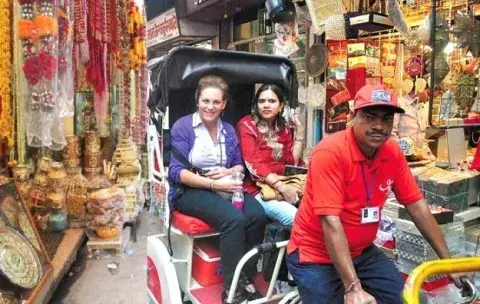
This Palace is about 12km. from the city Jaipur. There are so many buses from Jaipur to Amber Town, one can hire private taxi car or auto rickshaw( tuk tuk ) for this Palace from Jaipur.
Taj Mahal
The Taj Mahal is the epitome of Mughal art and one of the most famous buildings in the world. Yet there have been few serious studies of it and no full analysis of its architecture and meaning. Ebba Koch, an important scholar, has been permitted to take measuremen...
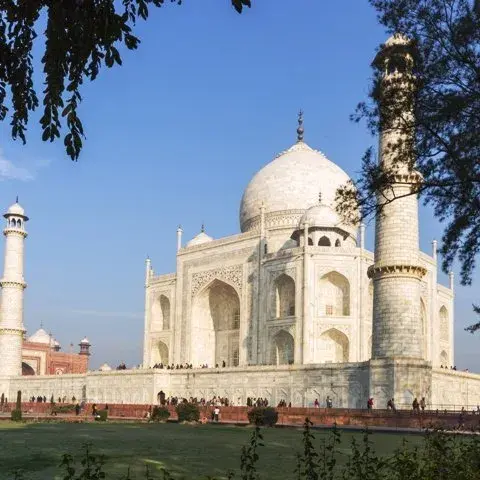
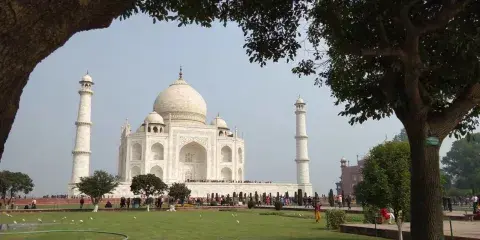
The Taj Mahal is the epitome of Mughal art and one of the most famous buildings in the world. Yet there have been few serious studies of it and no full analysis of its architecture and meaning. Ebba Koch, an important scholar, has been permitted to take measurements of the complex and has been working on the palaces and gardens of Shah Jahan for thirty years and on the Taj Mahal itself—the tomb of the emperor's wife, Mumtaz Mahal—for a decade.
The tomb is the representation of the house of the queen in Paradise, and its setting was based on the palace gardens of the great nobles that lined both sides of the river at Agra India. You will explore the entire complex of the Taj Mahal with an explanation of each building and an account of the mausoleum's urban setting, its design and construction, its symbolic meaning, and its history up to the present day.
Taj Mahal was built in 22 years (1631-1653) with the orders of Shah Jahan and it was dedicated to Mumtaz Mahal (Arjumand Bano Begum), the wife of Shah. 20.000 workers labored and 32 crore rupees were spent during the construction of the monument and it was built according to Islamic architecture. It is one of the Unesco world heritage site
Please feel free to contact us