Monsoon Season in Nepal
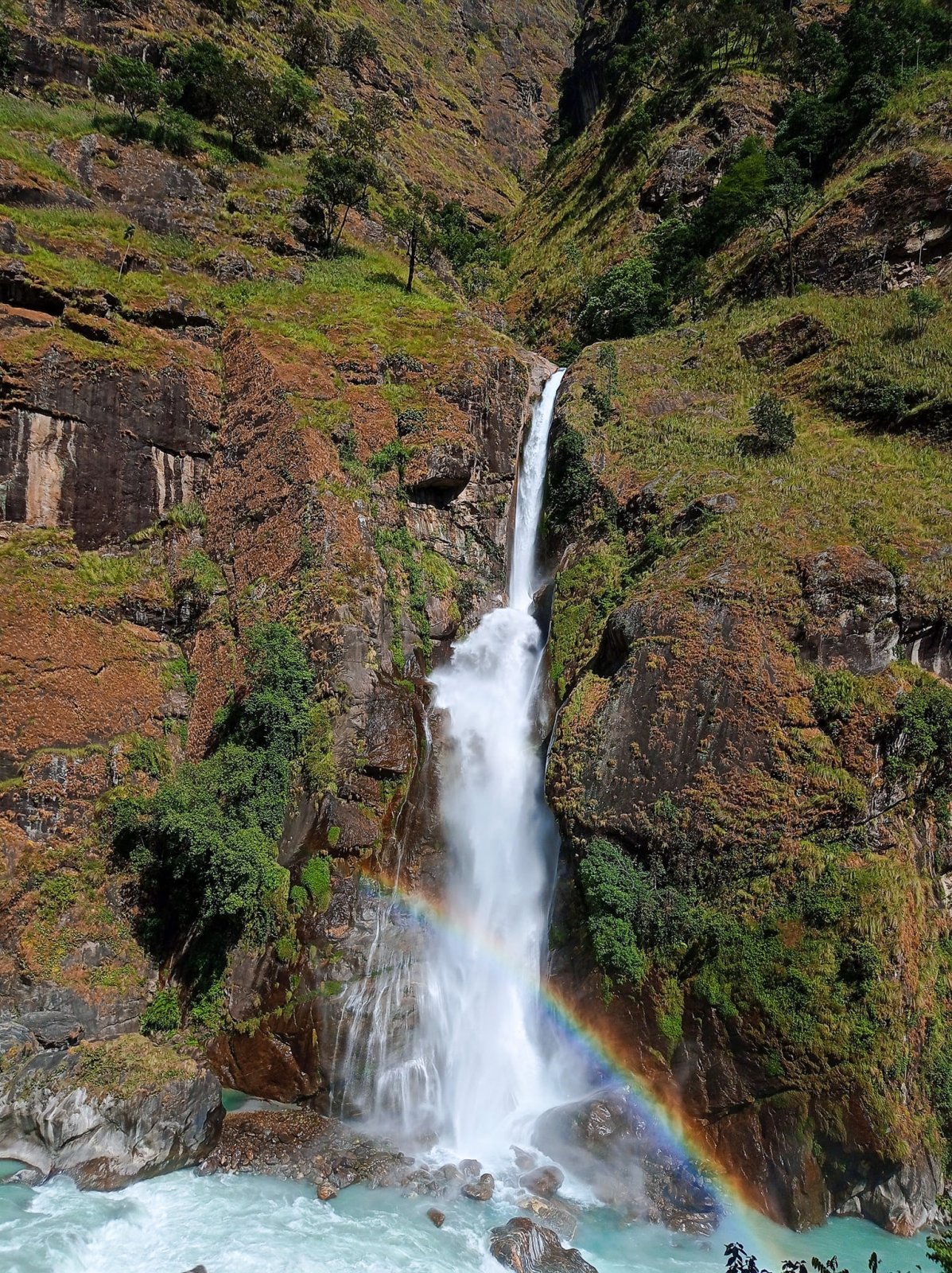
The monsoon season in Nepal typically spans from June to September, bringing with it a distinct change in weather patterns and landscapes. While the monsoon brings much-needed rain to the region, it also has both positive and challenging aspects that shape life and activities across the country.
-
Weather and Rainfall: The onset of the monsoon season in Nepal is characterized by heavy rainfall, especially in the southern plains (Terai) and the lower regions of the hills. The rain is crucial for agriculture, replenishing rivers and reservoirs, and supporting the lush greenery that blankets the landscape during this time.
-
Agriculture and Plant Life: Monsoon rains are vital for Nepal's agriculture, which largely depends on seasonal rainfall for irrigation. The terraced fields that characterize Nepal's hills and valleys turn vibrant green, as farmers prepare for the planting of rice, maize, and other crops. The monsoon is a time of sowing and nurturing crops, with farmers working diligently in the fields.
-
Landscape and Scenery: Despite the challenges, the monsoon season transforms Nepal into a lush, verdant paradise. Hills and valleys are covered in a blanket of greenery, and waterfalls cascade down cliffs and hillsides. The rivers and streams swell with rainwater, creating picturesque scenes that contrast with the snowy peaks of the Himalayas in the background.
-
Challenges and Impact: The monsoon season also brings challenges such as landslides and flooding, particularly in areas with steep terrain or poor infrastructure. Roads may become impassable, disrupting travel and transport in some regions. In urban areas like Kathmandu, drainage systems can become overwhelmed, leading to waterlogging and sanitation issues.
-
Tourism and Travel: Monsoon season sees a decrease in tourist arrivals compared to peak seasons like autumn and spring. However, adventurous travelers can still explore certain regions like the rain-shadow areas of Mustang and Upper Dolpo, which receive significantly less rainfall and remain accessible during this time.
-
Culture and Festivals: Despite the rain, monsoon season in Nepal is not without its cultural significance. The festival of Teej, celebrated by Hindu women with fasting and prayers for marital bliss and prosperity, occurs during this time. Additionally, the month of Shrawan (July-August) sees many Hindu devotees visiting temples, especially Pashupatinath in Kathmandu, to offer prayers and seek blessings.
-
Wildlife and Conservation: Monsoon season is a critical time for Nepal's diverse wildlife and conservation efforts. National parks and wildlife reserves like Chitwan and Bardia come alive with lush vegetation, providing ample food and shelter for animals. It's a great time for wildlife enthusiasts to observe animals in their natural habitat, although conditions can be wet and muddy.
In conclusion, the monsoon season in Nepal is a time of contrasts – from the beauty of verdant landscapes to the challenges posed by heavy rainfall. It plays a crucial role in Nepal's ecosystem, agriculture, and culture, shaping life in the country in myriad ways. Understanding and embracing the nuances of Nepal's monsoon season enriches one's experience of this dynamic and diverse country.