Ta'er monastery(Kumbum monastery)
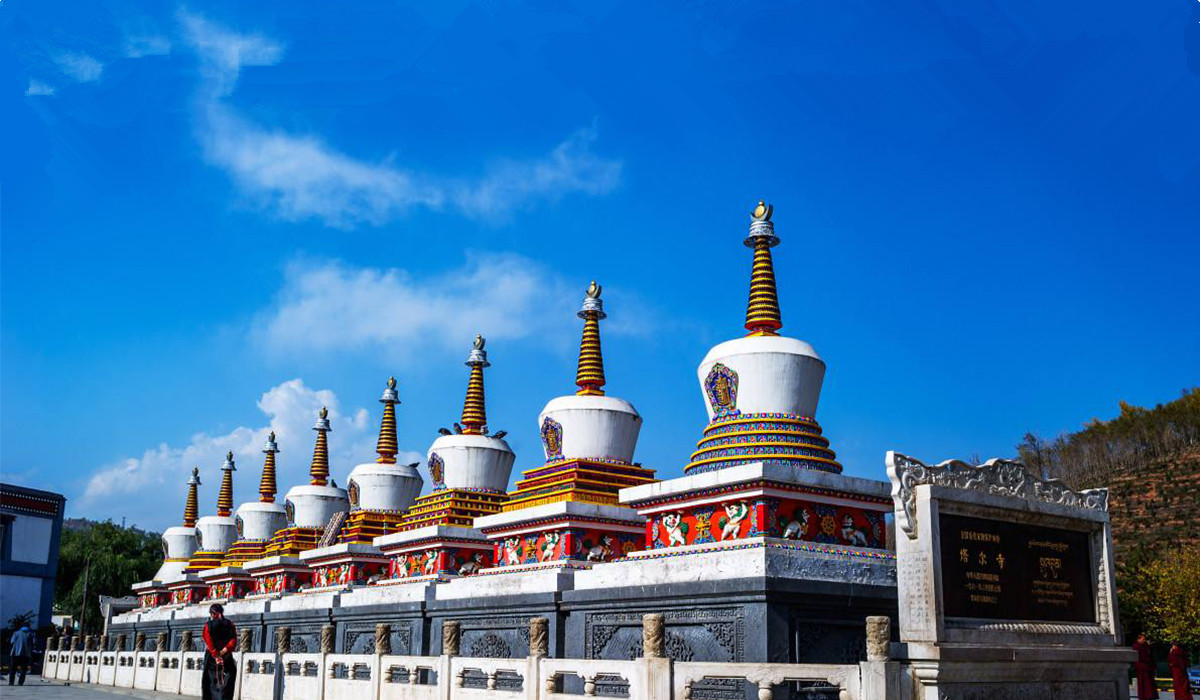
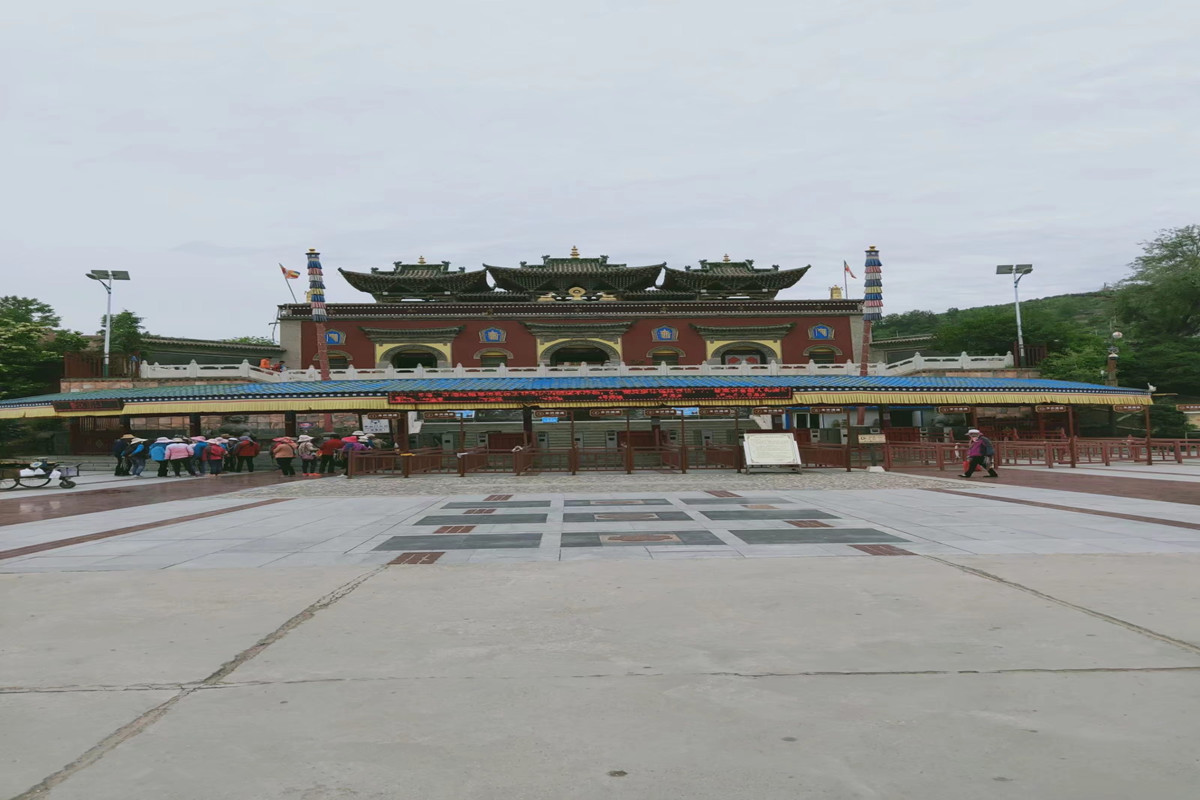
The Ta’er monastery was founded in 1377 during the Ming dynasty. Ta means pagoda. It got the name after the silver pagoda was built in memory of Zongkaba, the founder of the yellow sect of Tibetan Buddhism. The silver pagoda is called "gunbenxian balin" in Tibetan, which means "maitreya temple with a hundred thousand lions roaring Buddha statues". The monastery is located in lushaer town, huangzhong county, 25 kilometers southwest of Xining city,Qinghai province. It’s rated as AAAAA tourists attraction.
It is the center of Tibetan Buddhism in northwest China and enjoys a good reputation in China and southeast Asia. In the Ming dynasty, the upper religious figures in the monastery were granted titles for many times. A famous plaque was awarded by Emperor Kangxi of the Qing dynasty .Emperor Qianlong awarded the monastery with the title of "Fanzong monastery", and a nice plaque was awarded to the dajinwa hall. The third dalai lama, the fourth dalai lama, the fifth dalai lama, the seventh dalai lama, the 13th dalai lama, the 14th dalai lama, the sixth panchen lama, the ninth panchen lama and the tenth panchen lama all conducted religious activities in the monastery.
Butter sculpture flowers, frescoes and barbola are known as the "three art masterpieces of the Ta’er monastery". In addition, many Buddhist classics and academic monographs on history, literature, philosophy, medicine and legislation are also kept in the monastery. The "four dharma meetings", a Buddhist event held every year, are even more lively.
Ta’er monastery is one of the six major monasteries of yellow sect of Tibetan Buddhism in China. It is also a leading scenic spot and historical site in Qinghai province and a national key cultural relic protection unit. On April 13, 2018, it was shortlisted in "amazing 100 sceneries in northwest of China".
Tours That Go to Ta'er monastery(Kumbum monastery)
5 Days -Discovery Tour for Xining
This tour will bring you to research the abundant culture of Tibetan buddhism and enjoy the wonderful scenery of salty lakes on the plateau. The detailed itinerary is the following content.
Day 1-Meet you at Xining fast train station or Xining airport or hotel in Xining city. Stay overnight in Xining.
...Read moreThis tour will bring you to research the abundant culture of Tibetan buddhism and enjoy the wonderful scenery of salty lakes on the plateau. The detailed itinerary is the following content.
Day 1-Meet you at Xining fast train station or Xining airport or hotel in Xining city. Stay overnight in Xining.
Day 2-After breakfast drive 3 hours to Qinghai lake ,the largest inland and salty lake in China.On the way visit Dangeer ancient city,which was built in 14 century and used to be reputated as trade capital or little beijing. Then drive to Chaka town. Stay overnigh at Chaka town.
Day 3- Visit the Chaka salty lake,the natural crystallized salty lake,which was compared as "the mirror of sky". It is a wonderful place for photographing.Then drive back to Xining. On the way back visit the Sun and Moon mountain,which used to be an important path of the south silk road. Stay overnight in Xining.
Day 4-In the morning visit the Ta'er monastery,which is the birth place of the founder of yellow section in Tibetan Buddhism and one of 6 famous Tibetan monasteries in China. In the afternoon visit the Tibetan Medical museum,where you can know the mistery of Tibetan medical things. Stay overnight in Xining.
Day 5-Send you to Xining airport or fast train station.
User reviews
Leave a review
Add Review
