Lviv Attractions

Vintage Boutique Hotel
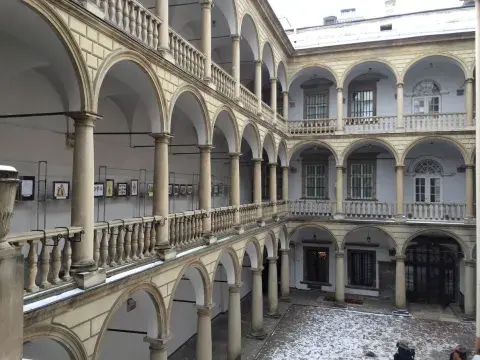
This cozy place enjoys a superb location, putting guests within earshot of the main square of Lviv. Ukraine is not exactly known for understated elegance, but this hotel has it by the antique vase-load. Dark leathers, hardwood floors, marble fireplaces and oriental rugs make these stylish digs an...
This cozy place enjoys a superb location, putting guests within earshot of the main square of Lviv. Ukraine is not exactly known for understated elegance, but this hotel has it by the antique vase-load. Dark leathers, hardwood floors, marble fireplaces and oriental rugs make these stylish digs and good service comes as standard. A renovation in 2011 in creased the number of rooms from 12 to 29, and also saw a wine cellar added in which guests of Lviv can taste international and Ukrainian vintages.
Lviv Articles
Lviv
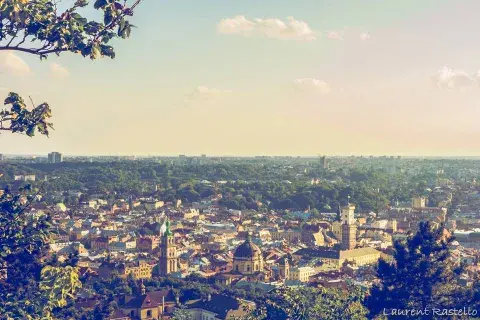
Hello everyone! I like my city and want to share this with you. I am certified guide. I am PhD in science and working in institute also, So I have knowledge about the city from both side - practical and theoretical....
Hello everyone! I like my city and want to share this with you. I am certified guide. I am PhD in science and working in institute also, So I have knowledge about the city from both side - practical and theoretical. I wrote many scientific papers and books in geography and history. If you want to see true Lviv you must do this with me. During our tour you will see medieval Lviv which consist of 4 quarters where Ukrainians, Poles, Germans, Jews, Armenians and others lived. But the tour is not just about quarters but about people of these quarters also. They have own stories, legends and different culture features but all they are people of Lviv.
Top Lviv Tours
$20 Per Day
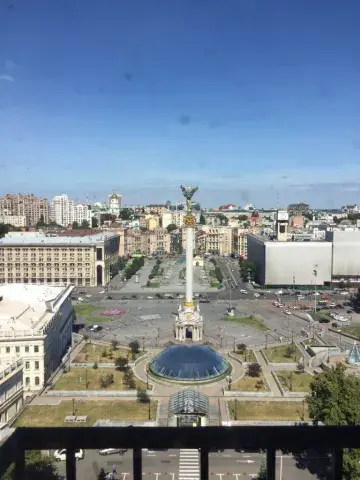
Tour around Kiev acording to your interests
Depends on your interests, it can be tour around historical places, sightseeing places, pubs, bars, clubs etc. If you come here to visit dentist or other doctors I'll also hepl you with that. I'll make tour taking into considerataion your preferences. It can be different kind of tours every day. Or we can take all days just to concentrate on one specific part.
Kiev is very old city with long history. You will feel spirit of city after visiting some museums and famous places. You will like it here)
$80 Per Day
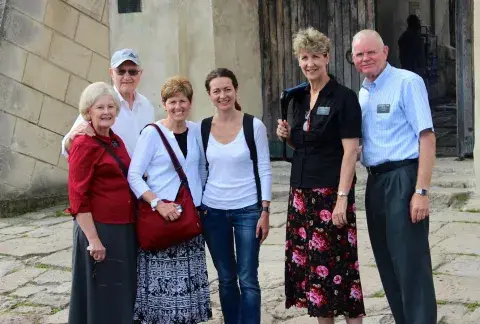
Find Your Roots / Family Search Lviv
Would you like to visit a place where your ancestors were born and raised? I can help you to arrange this trip for you fast and easy. Also, I can make a preliminary research of your ancestors' background - check at the archives about their birth records, etc. All you have to do is to give me all information you have about their background and I'll do the rest.
Then it comes to pricing for this tour - everything depends on the millage that we'll have to cover to get to the place in question. If you have questions please feel free to ask.
$25 Per Day
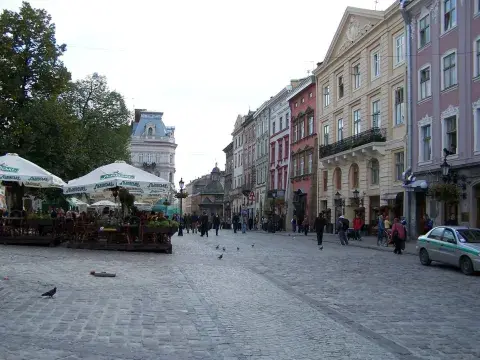
Lviv Walking Tour
Walking tour is a great way to explore Lviv for first-time visitors. In three hours you’ll get a great insight into the history, culture and social life of Lviv. During the walking tour you’ll see the Rynok/Market Sq, old quarters around it, beautiful churches and yards that Lviv is so famous for and, of course, the Opera house.This is a 100% walking tour. Entrance fees are covered on the spot depending on the number of people in a group.