China Attractions
Hong Kong Convention and Exhibition Center
Encompassing nearly 250,000 square meters and opened in 1988 on the Wan Chai waterfront, the Hong Kong Convention and Exhibition Center is an integrated complex with exhibition halls, hotels, theatres, harbour facing restaurants and impressive “glass-curtain” walls, which provide magnificent view...
Encompassing nearly 250,000 square meters and opened in 1988 on the Wan Chai waterfront, the Hong Kong Convention and Exhibition Center is an integrated complex with exhibition halls, hotels, theatres, harbour facing restaurants and impressive “glass-curtain” walls, which provide magnificent views of the harbour and the city.

China Articles
Honeshee Everlast International Golf Club
Located in the Beijing Economic and Techmological Development Zone, the Honeshee Everlast International Golf Club is adjacent to the Beijing-Tianjin-Tanggu Expressway and is only a 15-minute drive from the World Trade Center....
Located in the Beijing Economic and Techmological Development Zone, the Honeshee Everlast International Golf Club is adjacent to the Beijing-Tianjin-Tanggu Expressway and is only a 15-minute drive from the World Trade Center. The golf club displays the unique style of the ancient gardens in Suzhou, such as the Humble Administrator's Garden and Fishing-net master's Garden. Hence a garden-like golf course.
Address No.1 Donghuan Zhonglu, Beijing Economic and Technolegical Development Zone, Beijing
Tel 86-10-67887252
Fax 86-10-67882314
Par 72
Holes 18
Length 7051 yards
Beijing Chaoyang kosaido Golf Club
While this club only has a short, nine-hole course (par 30, 300 yards), its low green fees and great location about 500m east of Zhaolong Hotel make it the ideal place to sneak in a quick round during work hours. Work on your swing at the driving range before hitting the links....
While this club only has a short, nine-hole course (par 30, 300 yards), its low green fees and great location about 500m east of Zhaolong Hotel make it the ideal place to sneak in a quick round during work hours. Work on your swing at the driving range before hitting the links. RMB 230 (weekdays), RMB 290 (weekends). Three- and six-month discount packages available.
Address Address Shangsi Road , Tuanjiehu Residential Quarter , Chaoyang District , Beijing
Tel 86-10-65073380
Fax 86-10-65073616
Par 36
Holes 9
Length N/A
Beijing Golf ClubⅡ
The course is designed by Golf Course Architects of U.S.A, Benz and Poellot. The course is build on two million square meters area. It has very challenging 18 holes among beautiful forest with clean ponds, which reflect surrounding green trees and the blue sky.
...The course is designed by Golf Course Architects of U.S.A, Benz and Poellot. The course is build on two million square meters area. It has very challenging 18 holes among beautiful forest with clean ponds, which reflect surrounding green trees and the blue sky.
The club has a high reputation among all the players. They also hold "Helong Cup" every autumn as Amateur Invitational Golf Tournament and "BAT" China PCA League Beijing.
Address Address Eastern bank of the Chaobaihe Reservoi, Shunyi District, Beijing
Tel 86-10-89470005
Fax 86-10-89470055
Par 72
Holes 18
Length 7101 yards
Top China Tours
$238 Per Day
Private Hangzhou Day Trip from Shanghai by Bullet Train
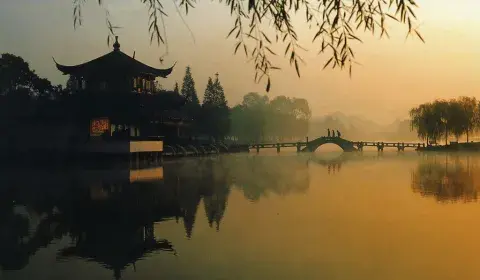
Take in the highlights of beautiful Hangzhou on a private full-day tour from Shanghai. After hotel pickup and transfer by high-speed train to Hangzhou, your private guide takes you to see some city attractions, such as Faxi temple. Moreover, enjoy a tasty lunch at a local restaurant before heading to Longjing village. There, learn about the process of farming and producing dragonwell tea, the region’s most famous product. Finally, enjoy a scenic boat cruise on UNESCO World Heritage-listed West Lake before returning to Shanghai.
...Read more
Take in the highlights of beautiful Hangzhou on a private full-day tour from Shanghai. After hotel pickup and transfer by high-speed train to Hangzhou, your private guide takes you to see some city attractions, such as Faxi temple. Moreover, enjoy a tasty lunch at a local restaurant before heading to Longjing village. There, learn about the process of farming and producing dragonwell tea, the region’s most famous product. Finally, enjoy a scenic boat cruise on UNESCO World Heritage-listed West Lake before returning to Shanghai.
This is a private, full-day trip from Shanghai to Hangzhou. After you are picked up in your hotel lobby in the early morning, you will take a bullet train to Hangzhou. This is the fastest way to Hangzhou and you can experience train speeds of up to 300 kilometers per hour. Your tour begins at one of Hangzhou's signature sites, the West Lake. Enjoy a lake cruise to see the top ten West Lake scenic views. You will then be taken to experience the wonderful cuisine of Hangzhou at a local restaurant. After lunch, you will visit Faxi temple, a well-known Temple dating back to the Jin Dynasty. See its famous wooden Buddha. Here, you will see fewer tourists and more locals. Finally, enjoy a cup of green tea when you visit the famous Longjing village to see wild fields of Longjing tea bushes where the locals produce the world famous green tea- Longjing Tea. In the village, all locals are tea farmers and you will see the entire procedure of making the famous tea and will get the chance to taste the best quality emperor tea. Afterwards, you will take the bullet train back to Shanghai and you will be returned to your hotel.
$150 Per Day
Guangzhou
Day 1 Arrive in Guangzhou
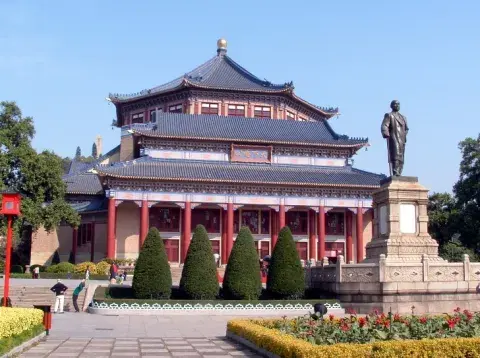
Arrive in Guangzhou in the morning, you will be met and transferred to hotel, then visit Sun Yat-sen Memorial Hall. The Memorial Hall is a very famous historical scenic spot. It is in memory of Sun Yat-sen, the great revolutionary forerunner. After that proceed to visit the Ancestral Temple of the Chen Family. It is a unique site for offering up sacrifices to worship ancestors of 72 Chen families in Guangdong. This ancestral temple is also the largest, best preserved and best decorated ancient architecture existing in Guangdong province.
...Read moreDay 1 Arrive in Guangzhou
Arrive in Guangzhou in the morning, you will be met and transferred to hotel, then visit Sun Yat-sen Memorial Hall. The Memorial Hall is a very famous historical scenic spot. It is in memory of Sun Yat-sen, the great revolutionary forerunner. After that proceed to visit the Ancestral Temple of the Chen Family. It is a unique site for offering up sacrifices to worship ancestors of 72 Chen families in Guangdong. This ancestral temple is also the largest, best preserved and best decorated ancient architecture existing in Guangdong province.
Day 2 Guanzhou Tour
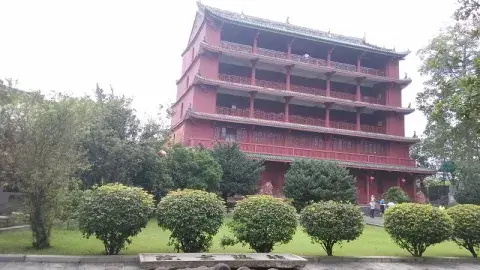
After breakfast, you will go to Yuexiu Park first, the largest and the most famous park in downtown Guangzhou. There are three artificial lakes and seven hills of Yuexiu Mountain. Then you will visit Temple of Six Banyan Trees, which is one of the four best Buddhist temples in Guangzhou and located on the Liurong Road (meaning the Six Banyan Trees Road). The Nanyue King Tomb Museum is a must-see Guangzhou attraction, which dates back to 2,000 years ago, is the earliest large scale painted stone chamber tomb ever found south of the Five Ridges. Buried with the tomb owner in a jade shroud are a gold seal and a lot of exquisite jade adornments. It has become a world famous museum. After the day tour you will be transferred to airport for your next destination.
$53 Per Day
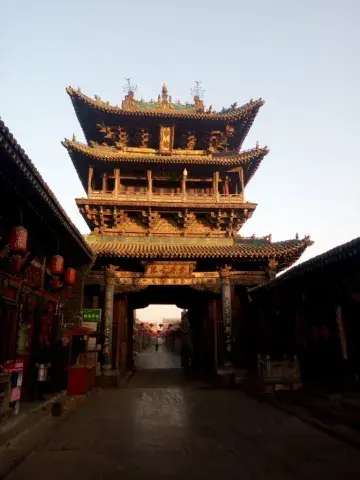
Pingyao Highlights Walking Tour
Pingyao Highlights Walking Day Tour
With our guide to know the Ancient Pingyao better!
Our guide will meet you at your hotel lobby at 08:00 or 08:30, then show you the ticket office to get the ticket for the museums we will visit later.
...Read morePingyao Highlights Walking Day Tour
With our guide to know the Ancient Pingyao better!
Our guide will meet you at your hotel lobby at 08:00 or 08:30, then show you the ticket office to get the ticket for the museums we will visit later.
First we will visit the 700 years old City wall, We will climb up from south gate and have a walk on the wall. We are not sure how many km we can walk, because of the renovating of the wall. Normally we will walk from south gate to the Yunlu Exit.
Then visit the Confucius temple, there is a old building named Dacheng Hall which is over 840 years old. From outside, we can see the big wood joints to lift the big roof around the building which is named Dougong. Due to this design, there are less columns inside the hall for giving the big space for the statues and the prayer. We have chance to see the Confucius statue and learn the philosophy of Confucius. If you like, you can pray for you and your children to get better study.
There is the Paper Cutting master named Wentao nearby the exit of Confucius temple. She is very smart and create the new style paper cutting with much more details and good wishes on it. Her products are made by hanks. It is worth to visit and buy as a souvenir from Pingyao. From the table standing and wall hangings. Please remember, take the red one because of red is the traditional and happy color. But the white one is the best. It is really difficult to choose, because of all of them are really nice.
Then you can have coffee break or tea break if you need at Chummy coffee, after this, visit the City god temple (ChenghuangMiao) which is most beautiful temple inside the wall. Because of the roof is covered by the colorful glazed tiles. There is not only city god and also the three money gods, Now you know why pingyao was the financial center.
Next we will visit the Ancient government building, to see the pingyao politics center in the ancient time. It is the complete building with officials bed room, kitchen and private garden. Follow the guide to look the official’s life from the 250km far away from the hometown.
Have a stroll in the alley to the Rishengchang exchange bank, which is the first bank all of china.You can not miss it.
After lunch, walk to the Ming and Qing street, this is the shopping street full of the stores on the both side of street. You can find alot things here , from post card to lacquered boxes, and wall panels. One more place to see, it is the Armed escort agency also named security and transport service for the business man before the bank founded.
Inlcusions
1.private english speaking tour guide servcie
2.bottle water for the tour