Beijing Attractions



Beijing Articles
National Museum of China DiscoveryⅥ
Ancient China
● Venue: Level -1
Ancient China
● Venue: Level -1
"Ancient China" exhibits 2026 cultural relics, including 521 first-class cultural relics. It takes Dynasty replacement as the thread and precious cultural relics as the core of the exhibition, showing the continuous development of Chinese civilization. The exhibition can be divided into eight parts: ancient period, Xia, Shang and Western Zhou Dynasty (2070 BC - 771 BC), Spring and Autumn Period (770 BC - 476 BC), Warring States Period (475 BC - 221 BC), Qin and Han Dynasty (221 BC - 220 AD), Three Kingdoms Period (220 AD - 280 AD), Jin and Southern and Northern Dynasties Period (265 AD - 581 AD), Sui, Tang and Five Dynasties Period (581 AD - 979 AD), Liao, Song, Xia, Jin and Yuan Dynasties Period (949 AD - 1402 AD), By appreciating these exquisite exhibits in every dynasty, you can understand the general context of the development of Chinese culture and have a certain understanding of the cultural and artistic characteristics of each period.
National Museum of China DiscoveryⅤ
Various Exhibitions to See at National Museum of China...
Various Exhibitions to See at National Museum of China
The National Museum holds various kinds of exhibitions all year round. Besides the representative special exhibitions, it also displays regular and permanent exhibitions, including exhibitions related to the history of the founding and development of P.R. China, gifts from other countries to China. However, the most distinctive and most priceless exhibition recommended is a series exhibitions about ancient China, which have covered the most famous archaeological collections from every dynasty in China, representative unearthed cultural relics from almost every province of China, such as the world-renowned Sanxingdui bronze mask (about 3600-3100 years ago), the fish-pattern pottery basin (5000 BC - 3000 BC), the vivid drumming and singing pottery figurine in the Eastern Han Dynasty (25 AD - 220 AD), the Jade Dragon symbolizing authority in neolithic (about 5000 years ago), the exquisite Phoenix crown of the Empress Xiaoduan from the Ming Dynasty (1368 AD - 1644 AD), etc. According to the different types of collections, the permanent exhibits are distributed in different areas from the negative first floor to the fifth floor. Here are six recommended regular/permanent exhibitions.
National Museum of China DiscoveryⅣ
▶ Level -1: permanent exhibition Ancient China, public service areas, Broadcasting Room, Theatre and Lecture Hall.
▶ Level 1: Theatre, Lecture Hall, Experts Building and the museum access.
...▶ Level -1: permanent exhibition Ancient China, public service areas, Broadcasting Room, Theatre and Lecture Hall.
▶ Level 1: Theatre, Lecture Hall, Experts Building and the museum access.
▶ Level 2: North Galleries (N1-N4), VIP room, South Galleries (S1-S5), the permanent exhibition The Road of Rejuvenation, public service areas and Central Hall (C1).
▶ Level 3: public services areas, the permanent exhibition The Road of Rejuvenation, North Galleries (N8-N11) and South Galleries (S6-S10).
▶ Level 4: North Galleries (N16-N19), South Galleries (S11-S14), Central Hall 2 (C2), and the museum access.
▶ Level 5: Jade Hall (C3), VIP rooms, and public service areas.
Top Beijing Tours
$200 Per Day
Private Beijing Antique Shopping Tour with Lunch
Start your private tour with pickup from your central Beijing hotel, and meet your private guide.
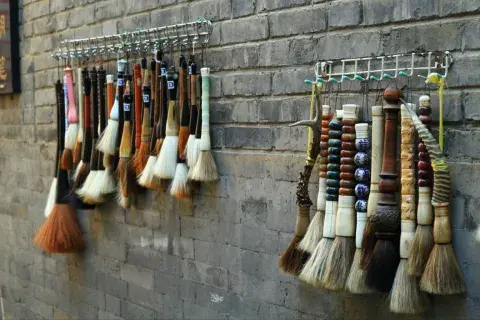
Hop inside your private, climate-controlled vehicle and travel to your first stop: Liulichang Antique Street. Situated in old Beijing, this history-steeped street is lined with stone shop-houses selling antique books, handicrafts, paintings, rubbings, glazed pottery, and other treasures.
Hear about Liulichang’s history, and get advice from your guide as to the best shopping opportunities....Read more
Start your private tour with pickup from your central Beijing hotel, and meet your private guide.
Hop inside your private, climate-controlled vehicle and travel to your first stop: Liulichang Antique Street. Situated in old Beijing, this history-steeped street is lined with stone shop-houses selling antique books, handicrafts, paintings, rubbings, glazed pottery, and other treasures.
Hear about Liulichang’s history, and get advice from your guide as to the best shopping opportunities. Sift through the traditional shops and stands, and explore the side lanes (hutongs), where the shops still bear original Ming and Qing architectural features like ornately carved doors and upswept roofs.
Next, drive to Panjiayuan Market, a so-called ‘weekend market’ that’s open daily. Weave through the throng of stands, perusing the huge array of antiques, curios, ceramics, Tibetan rugs, calligraphy, and other finds.
After shopping here, refuel with lunch at a Chinese restaurant, and continue to Baoguosi Cultural Market, set around an old temple. Scour the courtyards of vendors hawking stamps, books, coins and jade, and get tips on scouting out and clinching the best deals from your guide.
If time allows, squeeze in a visit to Hongqiao Market, a mall known for its pearl traders, and electronics, art, clothes, and accessories shops. Trawl for bargains, and haggle over pearls and other precious gems as perfect keepsakes of your time in Beijing.
After seven hours, your tour concludes with a hotel drop-off.
$50 Per Day
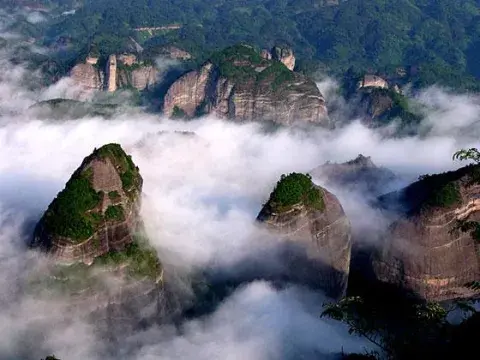
One day tirp to Bajiao Zhai, a noticeable Danxia Landform.
This is a tailor-made trip for nature-lovers and fans of photography. Danxia rock formation in the inland basin is a red rock debris, and later uplift due to the movement of the earth-crust, erosion of rocks by the water and weathering, which was dominant in the hillside to collapse back, kept down the rocks to form the red mountain block. This area was listed in the Natural Heritage of the world in 2009 by UNESCO. Bajiao Zhai Village is a combination of strategic place, steepy mountian, elegant scenery and secluded remote....Read more
This is a tailor-made trip for nature-lovers and fans of photography. Danxia rock formation in the inland basin is a red rock debris, and later uplift due to the movement of the earth-crust, erosion of rocks by the water and weathering, which was dominant in the hillside to collapse back, kept down the rocks to form the red mountain block. This area was listed in the Natural Heritage of the world in 2009 by UNESCO. Bajiao Zhai Village is a combination of strategic place, steepy mountian, elegant scenery and secluded remote. It is reputed as the "Soul of Danxia Landform". Here you can enjoy the sunrise or sunset and the sea-cloud. 1. I'll pick you up at 8:00 am in your hotel, and transfer to Bajiao Zhai Village by our private van. On the way, you can enjoy some terraced fields, bamboo groves and the wooden residences of the natives.(3.5 hours by ride) 2. First, we'll visit the village and have lunch in the village, and then we'll hike the mountains, the scenery including the group of snails looking up the sky, the ancient trail, Eye-stone, Joss stick of dragon's head and the Treasured sword Peak.(4 hours by hike) 3. After appreciating the sunset, after dinner in Ziyuan county, we'll take the bus back to your hotel around 10:00 pm.