Naxi Nationality: An Ethnic Group Keeping A Hieroglyphic Language
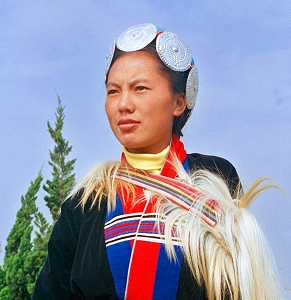
Naxi Nationality, called “Mexi” in ancient times, has a population of 295,500, most of them live in Lijiang area and are the descendants of the ancient Di-Qiang ethnic group in Northwest China. Naxi Nationality has a long history and rich ethnic culture. They created their mysterious hieroglyphic characters over one thousand years ago and Naxi music could be traced back to the 13th century when Kublai Khan led his troop on a southern expedition.
Dongba Writing: The Only Living Hieroglyphic Language in the World
Dongbas are Naxi priests and Dongba scriptures are written in Dongba hieroglyphs, also called Naxi hieroglyphs. More than 1,000 Dongba hieroglyphic characters have been identified so far. The hieroglyphic characters used in Central America or along the Nile in ancient times have disappeared with the passage of time but Naxi Dongbas are still using their own hieroglyphic writing, thus “the only living hieroglyphic language in the world” and a wonder of ancient Chinese civilization.
Naxi Ancient Music: A Living Fossil
Naxi Ancient Music consists of “Baishaxi Music” and “Lijiang Dongjing Music”. “Baishaxi Music” refers to the few orchestral pieces of Chinese classical music, rightfully called “living musical fossils” which were in fact the music pieces left by the Mongolian troop led by Kublai Khan on the expedition to Yunnan. “Dongjing Music” belongs to the Taoist music. Lijiang Dongjing Music is a musical treasure because it has kept some ancient tunes which were lost in Central China.
Naxi Women "Wear" Stars and the Moon
Naxi women wear loose garments with large sleeves plus a sleeveless jacket in purple or dark blue. They also wear a Naxi tippet which has seven star-shaped cloth decorations and seven pairs of pendants, thus the name. The legend about the “Star-and-Moon Ornament” goes as follow: It was Yinggu, a brave Naxi girl wearing a similar ornament, who defeated the Drought Demon. This Naxi tippet symbolizes diligence and bravery.
Dongba Religion: A Nature-Worshiping Rite by Naxis
Dongba religion is the traditional religion of the Naxis. “Dongba” means “priest”. The connotations of Dongba religion are embodied in thirty religious activities such as the disease-eradication, the Heaven-worship and the Nature-worship. These Dongba ceremonies reveal Naxi’s ideas of nature-worship and ancestry-worship, and especially the harmony between Nature and Naxis.
Sanduo Festival: A Traditional Naxi Festival
The Sanduo Festival, an important Naxi festival, falls on lunar February 8th. Sanduo, the Fighting God in Naxi’s legend, is regarded as the Supreme Guardian of the Naxis. On this day, Naxis dance to their heart’s content and the thousands of booming camellia flowers in Yufeng Temple add much beauty and grandeur to this grand festival.
Naxi House: The Architecture with Idyllic Connotations
Most traditional Naxi houses are made of wood and earth and face either east or south. Naxi houses are delicately built with various decorations and with small streams running nearby and green willows singing quietly, which look like traditional Chinese paintings.
"Walking Marriage": The Marriage of Mosuo Matriarchal Society
Mosuos, a branch of Naxi, live by Lugu Lake and have kept up a matriarchal life-style. Their unique A'xia marriage is a special “walking marriage (Zouhun)”. When a Naxi lad and a Naxi girl are in love with each other, the lad will walk to the girl’s house to spend the night and come back to his own matriarchal family early next morning. Their marriage is based on the principle of complete freedom.
Mountain-worshiping Ceremony: Mosuo Goddess Festival
Mountain-worshiping Ceremony which falls on lunar July 25th is the most imposing ceremony for worshiping Goddess Gemu. On this occasion, either walking or riding on horseback, Naxis in groups will go to worship Mountain Gemu by Lugu Lake. It is said Mountain Gemu is the embodiment of Goddess Gemu. It is also like a carnival during which the horse racing, wrestling and antiphonal singing are held. While camping in the open air, Naxi youth find it a good opportunity to court their sweethearts.