Bulgaria Attractions
Top Bulgaria Tours
$1820 Per Day
Northern Bulgaria & the Danube river plain 北保加利亚及多瑙河平原
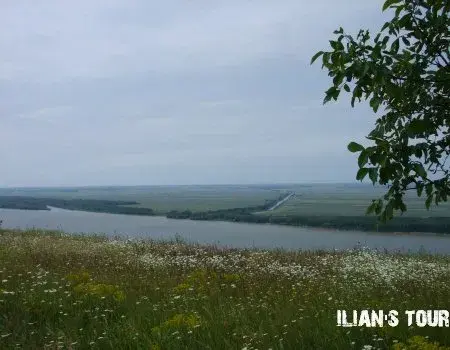
Northern Bulgaria is interesting for it is the heart of the Bulgars, the long history reveals in the ancient capital towns of Vidin, Veliko Turnovo, Pliska and the Dobrudzha. Many of the folk traditions of making wine, rakia can be still witnessed in the rural areas of the country. Home of some of the best preserved monasteries and old churches, with villages scattered all around the Dunabe plain this is a true adventure trip. Price on request, min 2 pax.
...Read moreNorthern Bulgaria is interesting for it is the heart of the Bulgars, the long history reveals in the ancient capital towns of Vidin, Veliko Turnovo, Pliska and the Dobrudzha. Many of the folk traditions of making wine, rakia can be still witnessed in the rural areas of the country. Home of some of the best preserved monasteries and old churches, with villages scattered all around the Dunabe plain this is a true adventure trip. Price on request, min 2 pax.
保加利亚北部是古保加利亚人的中心, 它拥有多个历史悠久的古城——Vidin, Veliko Tarnovo, Pliska and the Dobrudzha. 在许多地区老百姓还在自己酿葡萄酒及Rakiya (水果巴兰蒂)。 保加利亚是巴尔干半岛拥有修道院及教堂古建筑数量排名前列的国家,多瑙河平原的农村生活也很有意思。价格根据客人行程而定,2人起。
$35 Per Day
Sofia Tour
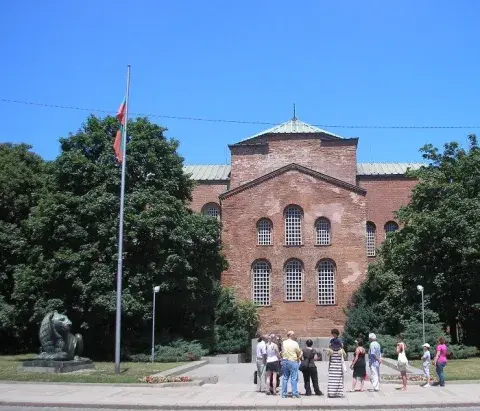
A walking sightseeing tour of Sofia, a pleasant city of boulevards and open spaces and see the city’s most important places of worship – Alexander Nevski Memorial Church and St.George Rotunda. Walk along the main streets and see the most important landmarks in the city centre - St. Nedelya Square and St. Nedelya Church, St. Petka of the Saddlers, the Synagogue, the Central Baths,the Mosque, the underpass outside the President's Office, Alexander Battenberg Square, the National Theatre, the former Royal Palace, the Russian Church, St....Read more
A walking sightseeing tour of Sofia, a pleasant city of boulevards and open spaces and see the city’s most important places of worship – Alexander Nevski Memorial Church and St.George Rotunda. Walk along the main streets and see the most important landmarks in the city centre - St. Nedelya Square and St. Nedelya Church, St. Petka of the Saddlers, the Synagogue, the Central Baths,the Mosque, the underpass outside the President's Office, Alexander Battenberg Square, the National Theatre, the former Royal Palace, the Russian Church, St. Sophia Church .I will make you feel the atmosphere of this city which history dates back to the ancient times.
$10 Per Day
Sofia-Plovdiv
Assuming that you’re already in Sofia and want to make a one-day tour to some place that would offer to you some strong taste of Bulgaria – seeing the second largest town in the country – Plovdiv is a must.
A town situated on seven hills, as Rome itself, and maybe older than this famous city . It’s uninterrupted journey through the ages, starts far back in the Thracian times under the name of the Thracian king Evmolpias....Read more
Assuming that you’re already in Sofia and want to make a one-day tour to some place that would offer to you some strong taste of Bulgaria – seeing the second largest town in the country – Plovdiv is a must.
A town situated on seven hills, as Rome itself, and maybe older than this famous city . It’s uninterrupted journey through the ages, starts far back in the Thracian times under the name of the Thracian king Evmolpias.
Fiercely attempting to subdue the freedom loving and highly skilled warriors, as the Thracian were, the father of Alexander the Great – Phillip came here in the 3-d century B.C. takes the town of Evmolpias- for some time.
But what lasted eternally was the name of Alexander’s father, which he gave to the town in the form of Phillipopolis (meaning the town of Phillip). The name survived till now day through Thracian translation as Pulpudeva and later Slavic pronunciation as Plovdiv.
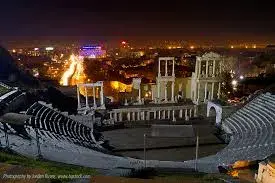
Not only the name of the town, but every step of the territory of the present day central part bears the evidences of its continuous existence during at least 25 centuries. Here the restored remains of the Roman theatre coexist with the fairy-tail living houses of 17-19-th century residents of the Old town(some built upon the remains of the Roman fortress walls) and medieval churches.
And if you have already visited the wine houses and restaurants in the Old town of Plovdiv, and want to get more in depth familiar with the local tradition in wine production and see and learn more about those who started this tradition decades of centuries B.C.- the legendary and mystical Thracians, there are at least two possibilities to do this in the beautiful vicinities of Plovdiv. That’s about what may two following proposals are:
the village of Brestovitsa (about 20 km. from Plovdiv) and the village of Starosel (some 45 km from Plovdiv).