Zhengzhou Attractions
Taxi from train station
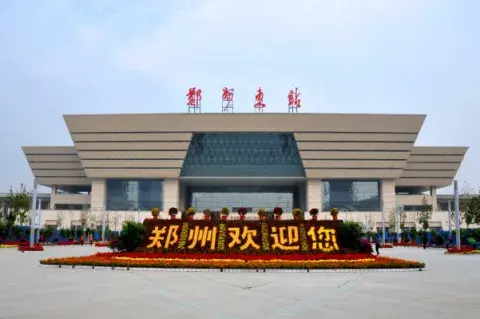
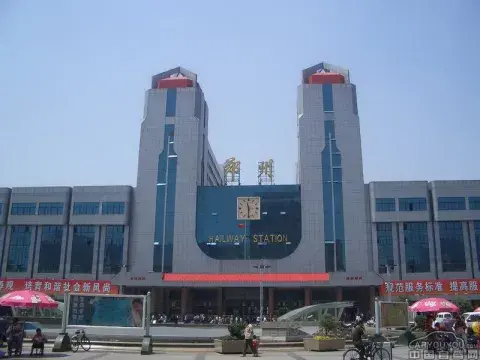
When you get off a train, come outside of the station and want to get a taxi, you need to go to the taxi line, which is right across the sq., like almost everywhere in China, there are always so many people on the sq, you may not see the taxi line. the taxi from the taxi line ...
When you get off a train, come outside of the station and want to get a taxi, you need to go to the taxi line, which is right across the sq., like almost everywhere in China, there are always so many people on the sq, you may not see the taxi line. the taxi from the taxi line are all having meters ON, if you just get a taxi from the road, you will need to negotiate a price first, and most likely the driver going to ask 3-4 times what you would pay for a metered taxi.

Zhengzhou Articles
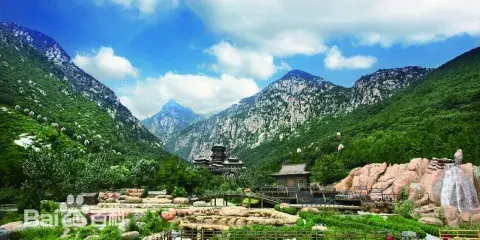
Shaolin temple one day tour
This is about the one day tour in Dengfeng county, a small town in China
1.Fairy gorge, there is a nice mix of ancient building and mountain
2. Gongfu training school with 10,000, only we could see so many persons coming from the whole China
...This is about the one day tour in Dengfeng county, a small town in China
1.Fairy gorge, there is a nice mix of ancient building and mountain
2. Gongfu training school with 10,000, only we could see so many persons coming from the whole China
3. Shaolin temple, this is the birth land of Kungfu, unveil the 1500-year secret
4. bird view of Dengfeng, it is a local park and pavilion, sometimes, there will be old Chinese practicing Kungfu at the square.
It is a leisure tour, the shaolin temple is so famous, while the others are amazing and interesting to see the real local life.
Mountain Chaya in Zhumadian
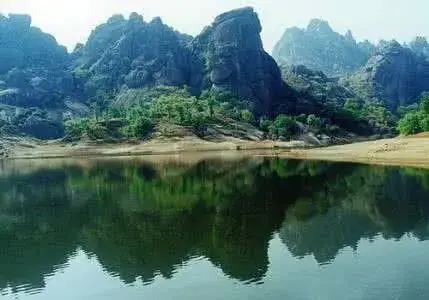
Hi, every friend, it is really been a long time, today I would like to introduce one of the most famous tourist attractions in Henan Province to you, that is called as Mountain Chaya. Which is in Zhumadian Municipality.
...Hi, every friend, it is really been a long time, today I would like to introduce one of the most famous tourist attractions in Henan Province to you, that is called as Mountain Chaya. Which is in Zhumadian Municipality.
The scenic spot of Mountain Chaya locates in Suiping County, Zhumadian Municipality, Henan Province. And the municipality of Zhumadian locates at the southeast area of Henan Province.
The scenic spot has an area of 148 square kilometers, and the travelling area is 52 kilo meters. The altitude is 786 meters.
Mountain Chaya is the National Geopark, 5A National Tourist Attraction, The Top Ten Hottest Tourist Attractions in Henan Province, and so forth.
The transportation of Mountain Chaya is very convenient, the climate is pleasant, the resoures are abundant, the history is long, and the culture is deep.
There are a lot more about Mountain Chaya, you are welcome to visit here any time please.

Xinxiang Emperor Holiday Hotel
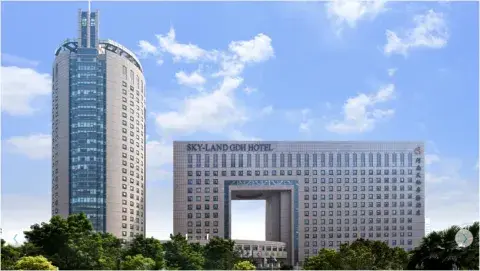
Xinxiang Emperor Holiday Hotel is a very good hotel, which is highly recommended in Xinxiang City.
Top Zhengzhou Tours

$90 Per Day
Shaolin Temple and Longmen Grottoes in one day
8:30am: we start from Zhengzhou,
10:30am: we arrive at our first destination, Longmen Grottoes, then we start visiting in Longmen Grottoes, and stay there for about 2 hours,
12:30am: we finish the sightseeing in Longmen Grottoes, and start to go to Shaolin Temple,
13:00pm: we stop for lunch,
14:00pm: we arrive at Shaolin Temple, then start visiting in Shaolin Temple, the same as in Longmen Grottoes, maybe 2 hours,
16:00pm: we finish the sightseeing in Shaolin Temple, and then start to go back to Zhengzhou,
...Read more8:30am: we start from Zhengzhou,
10:30am: we arrive at our first destination, Longmen Grottoes, then we start visiting in Longmen Grottoes, and stay there for about 2 hours,
12:30am: we finish the sightseeing in Longmen Grottoes, and start to go to Shaolin Temple,
13:00pm: we stop for lunch,
14:00pm: we arrive at Shaolin Temple, then start visiting in Shaolin Temple, the same as in Longmen Grottoes, maybe 2 hours,
16:00pm: we finish the sightseeing in Shaolin Temple, and then start to go back to Zhengzhou,
18:00pm: we come back to Zhengzhou, finish the day's visiting.
$100 Per Day
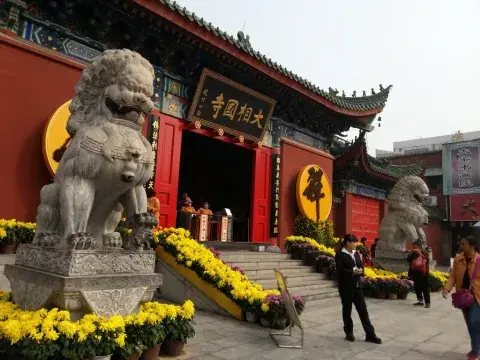
1 day tour to Kaifeng
8:00 am: we start from Zhengzhou to Kaifeng
9:30 am: we arrive at Kaifeng Millemium Park
12:00 am: we stop visiting Kaifeng Millenium Park, and take lunch in Kaifeng City
13:00 pm: we finish taking lunch, and then continue to visit Dragon Pavilion
14:00 pm: we finish visiting Dragon Pavilion, and then go to visit Daxiangguo Temple and surround area
16:30 pm: we finish visiting Daxiangguo Temple, and drive back to Zhengzhou
18:00 pm: we drive back to Zhengzhou, the tour is over.

$1373 Per Day
11 Days China Ancient Capitals Tour
View the unique Chinese historical wonders at ancient capitals in China. Step into the largest Royal Palace in the world. Visit the birth place of Chinese legendary Kung Fu. View the ancient life size Terra-Cotta Warrior Corps.
Beijing Attractions:Great Wall of China ▶ Ming Tombs ▶ Forbidden City ▶ Temple of Heaven ▶ Sacred Way ▶ Tian'anmen Square ▶ Hutong cultural tour with lunch
Xian Attractions: Terracotta Warriors and Horses ▶ Big Wild Goose Pagoda ▶ Bell Tower ▶ Shaanxi Historical Museum
...Read moreView the unique Chinese historical wonders at ancient capitals in China. Step into the largest Royal Palace in the world. Visit the birth place of Chinese legendary Kung Fu. View the ancient life size Terra-Cotta Warrior Corps.
Beijing Attractions:Great Wall of China ▶ Ming Tombs ▶ Forbidden City ▶ Temple of Heaven ▶ Sacred Way ▶ Tian'anmen Square ▶ Hutong cultural tour with lunch
Xian Attractions: Terracotta Warriors and Horses ▶ Big Wild Goose Pagoda ▶ Bell Tower ▶ Shaanxi Historical Museum
Nanjing Attractions: Dr Sun-Yat Sen's Mausoleum ▶ Zhonghua Gate ▶ Qinhuai River ▶ Confucian Temple
Zhengzhou Attractions: Yellow River Scenic Spot ▶ Shang Dynasty Ruins
Luoyang Attractions: Shaolin Temple ▶ Longmen Grottoes ▶ White Horse Temple ▶ Shaolin Kungfu Show
To check the details of this tour please go to our website below