Tibet Attractions
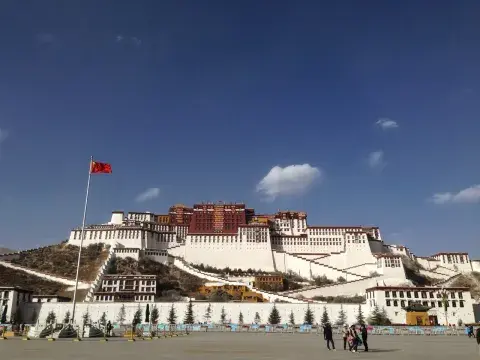
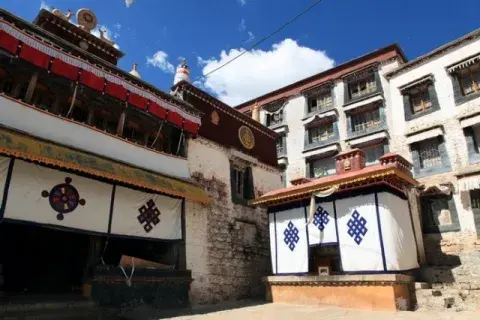
Norbu Lingka
The Norbu Lingka built in 1751 as the summer residence of the Dalai Lama, lies 1.9 miles(3km) west of the Potala Palace. As harsh winters gave way to spring, a grand procession of Lamas and official accompanied the Dalai L...
The Norbu Lingka built in 1751 as the summer residence of the Dalai Lama, lies 1.9 miles(3km) west of the Potala Palace. As harsh winters gave way to spring, a grand procession of Lamas and official accompanied the Dalai Lama from the Potala Palace to his summer home.
Norbu Lingka, which means "jeweled garden", is a fitting title for the large compound of buildings and extensive gardens. Successive Dalai Lamas continually expanded the palace and up until 1959, commoners weren`t allowed within it`s walls.
Today this once forbidden palace is ideal for quiet strolls and lazy afternoons. This palace contains some fabulous murals fusing Tibetan history and myth.

Tibet Articles
Badain Jaran Desert in China
The Badain Jaran Desert (巴丹吉林沙漠) is a desert in China which spans the provinces of Gansu, Ningxia and Inner Mongolia. It covers an area of 49,000 square kilometres (19,000 sq mi). By size it is the third largest desert in China....
The Badain Jaran Desert (巴丹吉林沙漠) is a desert in China which spans the provinces of Gansu, Ningxia and Inner Mongolia. It covers an area of 49,000 square kilometres (19,000 sq mi). By size it is the third largest desert in China. This desert is home to some of the tallest stationary dunes on Earth, with some reaching a height of more than 500 meters (1,600 ft), although most average at around 200 meters (660 ft). Its tallest dune is also measured, from base to peak, as the world’s third tallest dune and highest stationary dune in the world. The desert also features over 100 spring-fed lakes that lie between the dunes, some of which are fresh water while others are extremely saline. These lakes give the desert its name which is Mongolian for “mysterious lakes”. It is also crossed by one river, the Ruo Shui (“weak water”), which has formed an alluvial plain in the desert.oli.
If you need our guide/assistant/sourcing/interpreter, welcome to contact us.:)
We can custom your trip and guide you.
Please click my photo and add my contact. Let's talk details.
Thanks for reading.
Jessica In China (86-13570345653)

Folk & Taboos in Tibet
Giving HaDa : Ha Da is a white scarf, giving Ha Da to people is the most common courtesy of Tibetan people,to show welcome, sincerity, loyalty....
Giving HaDa : Ha Da is a white scarf, giving Ha Da to people is the most common courtesy of Tibetan people,to show welcome, sincerity, loyalty. After receiving Hada, if not accustomed to plate wear, also can not be placed at will, can fold up to put up, or offering Ha Da when you pass through the mountain pass or go into the palace.
2. Toast tea: when a guest drinks, the guest must use his ring finger to touch wine on the empty bullet three times, then sip three mouthfuls, each drink the host will pour wine to the cup, finally you can finish it, it’s called "three mouthfuls one cup",which is the most formal drinking etiquette, After three mouthfuls, you can drink at will. Tea is a daily ritual. Guests come in and sit down. Housewives or children come to pour butter tea, but guests don't have to serve their own tea before they can pick it up when the host holds it in front of you. That's the polite way.
3.The Tibetans stick out their tongues to show respect or embarrassment rather than ridicule, and to put the palms together in front of their chest is a form of courtesy;
4.When greeting Tibetans, they usually add a word "la" after their name to show respect. Secondly, in the diet,they will not drink sound, chew out of sound, eat with full mouth;
5. Enter the tent of Tibetan people, bedroom, can not step on the threshold with your foot, also can not spit in front of others;
6.You cannot enter the temple without permission, especially in some remote temples. Do not smoke after entering the temple. It's okay to watch things in the temple, but don't touch and point with your hands. You can't take pictures without permission. Some places are not allowed to travel counterclockwise, others are closed to women, and in Tibet disrespect to lamas and temples,people will be criticized.When Passing temples, flagpoles, mannequins, pagodas, people all go clockwise around;
7.Tibetans absolutely do not eat donkey, horse and dog meat, and some areas do not eat fish;
8.Refrain from spitting in front or back of others, patting palms and farting;
9. Shall not cross over Buddhism instruments, fire pots;
10.The cylinder can not be reversed by the wheel.
11.Avoid touching others’ head or shoulders with your hands.
List of Commonly-used Things for Tibetan Tourists
- Clothing: warm clothes such as sweaters and down jackets, hats, scarves, gloves, slippers and sneakers;
(note: the temperature difference in the morning and evening in Tibet is quite large, reaching about 13 degrees, and thicker clothes such as thick coats or sweaters should be...
- Clothing: warm clothes such as sweaters and down jackets, hats, scarves, gloves, slippers and sneakers;
(note: the temperature difference in the morning and evening in Tibet is quite large, reaching about 13 degrees, and thicker clothes such as thick coats or sweaters should be brought along, especially in high altitude areas (such as Dingri, Everest), when the temperature drops to about 0-5 degrees in the evening of August. It is necessary to do a good job in preventing the cold. Down jacket, cotton wool pants and other warm clothes are essential.
- Electronic products and related: camera, film, battery and storage card, GSM mobile phone, socket converter;
- Cosmetics / sunscreen: moisturizer, sunglasses, sun oil, 35P sunscreen;
- Food / drugs: high calorie foods (chocolate, etc.), vitamins, safe medicine (cold medicine, gastrointestinal medicine, anti-insect plaster, band-aid, etc.), emergency drug prescriptions;
- Other: itinerary, cash (extra change), dry / wet tissue, umbrella or raincoat
Top Tibet Tours
$500 Per Day
Four-day Lhasa Holy Tour
Day 1...Read more
Day 1
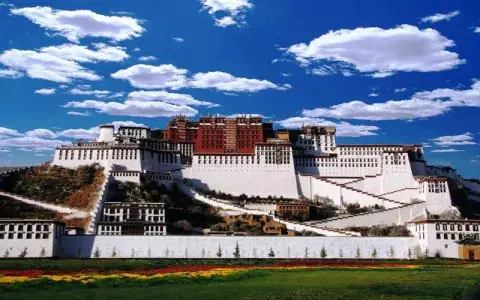
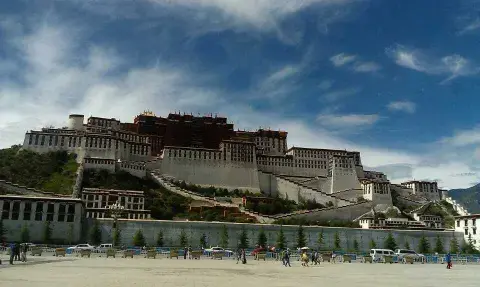
Tour starts from the religious Potala Palace (3700 m ) built in the 7th century by the famous Tibetan king-Songtzen Gampo. The present one was built by the 5th Dalai Lama in the 17th century. It became known as the "Winter Palace" by the 1750, when the 7th Dalai Lama built the Norbulingka Park as his summer residence. After lunch, you will visit Jokhang monastery, situated in the old section of Lhasa. King Songtzen Gampo built this temple in the mid-7th century A.D. Now it is the most sacred place in Tibet. Pilgrims come here to pay homage from all over Tibet. Visit Barkhore Street in the evening.
Day 2
Morning: Visit Drepung monastery the sacred land of Gelug Sect., which was established in 1416 and the second, third and fourth Dalai Lama once resided in. Afterwards visit Norbulingka, the summer residence of the Dalai Lamas.
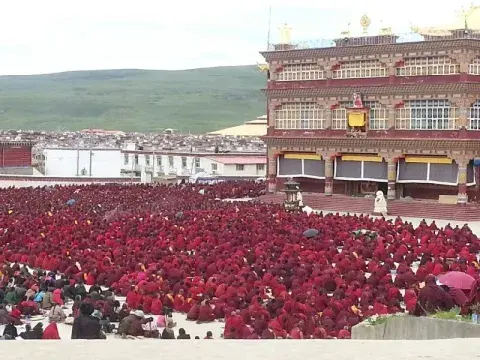
Afternoon: Visit Sera monastery, which was created in 1419 and has always been an important Buddhist seminary. As rose are planted everywhere in the monastery, it is also called “the court of wild rose”. Today still 200 lamas live in there. The "Buddhism Scriptures Debate" in Sera is very famous.
Day 3
In the morning drive to visit Ganden Monastery, which was built by Tsongkhaba in present-day Dagaze County to the east of Lhasa in 1409 soon after the Monlam Festival was over. Ganden is one of the three main monasteries of Gelug Sect. Anyhow, different from Drepung and Sera, it once played a more prominent political role in Tibetan history.
The abbot of this monastery possess of a high religious position within the system of Gelug Sect, just inferior to Dalai and Panchan. The monastery was reconstructed in 1993 and restored its original appearance. The holy stupa of Tsongkhaba is just in the monastery. On the way visit the Dark Yerpa Monastery, where you’ll visit the famous ancient meditation caves in the spectacular limestone cliffs of the Yerpa Valley.
$520 Per Day
4 days Lhasa
Day 1: Chengdu / Lhasa Flight
Flight to Lhasa, upon arrival at Lhasa airport, you will be greeted by our local guide and driver, transfer to hotel in Lhasa, upon arrival at hotel, check in the hotel and relax, rest for the rest of the day, acclimatize, we may take a short walk around the Barkhor old town area, hotel stay
Day 2: Lhasa Sightseeing...Read more
Day 1: Chengdu / Lhasa Flight
Flight to Lhasa, upon arrival at Lhasa airport, you will be greeted by our local guide and driver, transfer to hotel in Lhasa, upon arrival at hotel, check in the hotel and relax, rest for the rest of the day, acclimatize, we may take a short walk around the Barkhor old town area, hotel stay
Day 2: Lhasa Sightseeing
Visiting the magnificent Potala palace, fort of 13-storeys, which dominates the whole city, was set up in the 7th century during the reign of King Songtsen Gampo and covers an area of 41 hectares. The 13-storeys main building, 115,703 metres in height, consists of the White and Red palaces with 1,000 rooms, such as bedrooms, scripture rooms, stupas, and rooms for the monks. It is the headquarters of the Dalai Lamas , and has been the home of each of the successive Dalai Lamas. It is a treasure house of traditional Tibetan culture. Visit the Jokhang Temple in the heart of the old part of the town. It was built in the mid-seventh Century. It was founded by Queen Bhrikuti on a site deemed by Queen Wencheng to be the principal geomatic power-place in Tibet. It is at Barkhor Street that most people fall in love with Lhasa. The Barkhor circuits runs through the heart of the old city where life has changed little over the centuries. The whole circuit is lined with stalls selling everything a Tibetan or visiting tourist could possibly need.
Visit the Sera Monastery which is around 5km north of central Lhasa. It was along with Dreprung one of Lhasa's 2 great Gelugpa monasteries. It was built in 1419 by one of the eight disciples of Tsongkhapa, founder of the Ge-lug-pa Sect. It covers an area of 114,964 square meters, the structure is imposing, picturesque in disorder, and splendid in green and gold. It is a typical of Tibetan architecture.
Day 3: Day trip to Ganden monastery
Drive Lhasa to Ganden monastery, touring the monastery the main seat of Tsong Khapa master who founded the Gelukpa sect of Tibetan Buddism back in the 14th century. This Ganden monastery is one of the 6 major Gelukpa monasteries in Tibet. After visiting this monastery we have an optional 3 to 4 hrs trek crossing Ganden ridge to Trup Shi village where we can visit a local Tibetanfamily for some local drinks and snacks, then meet our driver and drive back to Lhasa or we do a 40 minutes scenic walk around the monastery ( the Kora ) and then drive to Lhasa, over night stay in Lhasa. We will be back in Lhasa reasonably early in the afternoon and will allow some time for us to wander around in the old town before leaving Lhasa the next day.
Day 4: Lhasa / Departure
Transfer to airport for flight out
Includes:
- All necessary permits for the trip
- Local guide
- Transfers as per itinerary
- Entrance fees for the sights on the tour
- Hotel stays with daily breakfast ( Using Oh Dan hotel or similar in Lhasa )
Excludes:
- Airfare, airport tax
- Lunch / dinner
$695 Per Day
TIBET 2014 SPECIAL BUDGET LHASA & EVEREST TOURS
Day 01 : Arrival in Lhasa either by train or flight, will be received and transfer to hotel Oh Dan or similar hotel Day 02 : Guided tour to Drepung in the morning, the Summer Palace & Sera monastery in the afternoon
Day 03 : Guided tour to Potala Palace in the morning, afternoon the old town and Jokhang temple, Barkhor marketDay 04 : Drive from Lhasa to Gyangtse - Shigatse / 370kms / 8 hrs...Read more
Day 01 : Arrival in Lhasa either by train or flight, will be received and transfer to hotel Oh Dan or similar hotel Day 02 : Guided tour to Drepung in the morning, the Summer Palace & Sera monastery in the afternoon
Day 03 : Guided tour to Potala Palace in the morning, afternoon the old town and Jokhang temple, Barkhor marketDay 04 : Drive from Lhasa to Gyangtse - Shigatse / 370kms / 8 hrs
Little early departure from Lhasa to Gyangtse, en route we will visit the Yamdrok lake, a scenic stop at Norjing Gangsang glacier, arrival in Gyangtse, touring the Palchor Chode monastery including the Kumbum, late afternoon continue our drivingthrough the Nying Chu river valley, passing a lot of local Tibetan villages, we will visit local families as well, arrival in Shigatse in the evening, hotel stay ( 3800m ) Gang Gyen hotel
Day 05 : Shigatse - Shekar / 240kms / 5hrs
Spend the morning touring Tashi Lunpo monastery ( the main seat of Panchen Lama ) and the local traditional market, afternoon leave Shigatse, continue our overland trip on the friend-ship highway to Shekar with stops en route, hotel stay in, hotel stay in Shekar ( 4300m ), hotel stay Shekar hotel Economic wing
Day 06 : Shekar - Rombuk / 90kms / 3hrs
Early departure, drive to Rombuk, crossing Gyawu la passs where we have sun-rising panoramic view of the greatest part of the Himalaya, continue overland trip to Romuk, afternoon excursion to Everest base camp ( Hiking from Rombuk monastery up to Everest base camp and back ), spend most part of this day in Rombuk and Everest base camp, over night at Rombuk monastery guest house or tented guest house in Za Rombuk ( 5000m )
Day 07 : Everest base camp - Old Tingri - Nyalam 220kms / 7hrs
Spend a beautiful morning at base camp and then drive down to Old Tingri where we have our lunch break, then we continue our drive to Zhang Mu border, en route we will make a short scenic stop at Thong la pass over 5000m for a panoramic view of Himalaya, from there we have a scenic descending down to Nyalam, over night at guest house there ( 3700m )
Day 08 : Nyalam - Zhangmu - Kodari - cross border
After breakfast, we drive down to border town, Zhangmu ( 2700m ), go through the Chinese immigration formalities and then cross over the border, end of Tibet part tour ( Those who plan to travel back to Lhasa ) will be proposed to stay at the border town while rest of the members are crossing border to Nepal and late morning, we drive to Shigatse, over night stay there and the next day to Lhasa and depart Tibet from Lhasa either by train or flight.Based on minimum 4 pax ( FIT surcharge is $180 USD if group size ends up with only 2 or 3 participants and if clients wish to go on the scheduled trip with paying the surcharge) Booking is closed 2 weeks prior to the departure date.
Single supplement is $95 USD ( if any one wants to have a single room during hotel stays on the tour )
Tour price include :
- Tibet permits
- local Tibetan tour guide
- transfers as per itinerary where it is required
- hotel and guest house stays with daily breakfast
- guide and vehicle entrance fee for Everest national park
- food and lodge for guide and driver
- transfer from Nepal border to Kathmandu
- travel agency service surcharge
Tour price exclude :
- any airfare, airport tax
- any train fare
- lunch / dinner
- personal entrance fee for any sight on the tour ( payable on the spot )Traveling back from border to Lhasa to leave Tibet from Lhasa :
It is $125 USD for any client who plans to return to Lhasa from border ; ( Does not cover accommodation & meals, payable on the spot )
Remarks :
It is no problem to arrange to arrive in Lhasa a day or two days earlier than the fixed starting date of this trip and relax here in Lhasa before start the tour with the rest of the members. This will cost the following :
$35 for a room per extra night hotel in Lhasa with breakfast included
$75 for an arrival airport transfer ( for anyone who arrives by flight )
$55 for an arrival railway station transfer ( for anyone who arrives by train )
No independent travel allowed to visit any main sights such as palaces, temples and monasteries on your own during your free day, for anyone who is arriving earlier here in Lhasa to spend a few free days.
Departure :
May 03, May 17, June 07, June 21, July 12, July 26, Aug 16
Aug 30, Sept 13, Oct 04, Oct 18
The trip can start from Kathmandu, the departure:
May 10, May 24, June 14, June 28, July 19, Aug 02, Aug 23,
Sept 06, Sept 20, Oct 11, Oct 25.
The cost is $735 per person for the : Based on minimum 4 pax ( FIT surcharge is $220 USD if group size ends up with only 2 and $105 FIT for 3 participants and if clients wish to go on the scheduled trip with paying the surcharge) Booking is closed 2 weeks prior to the departure date.