Persian cuisine and being invited to an Iranian home tips
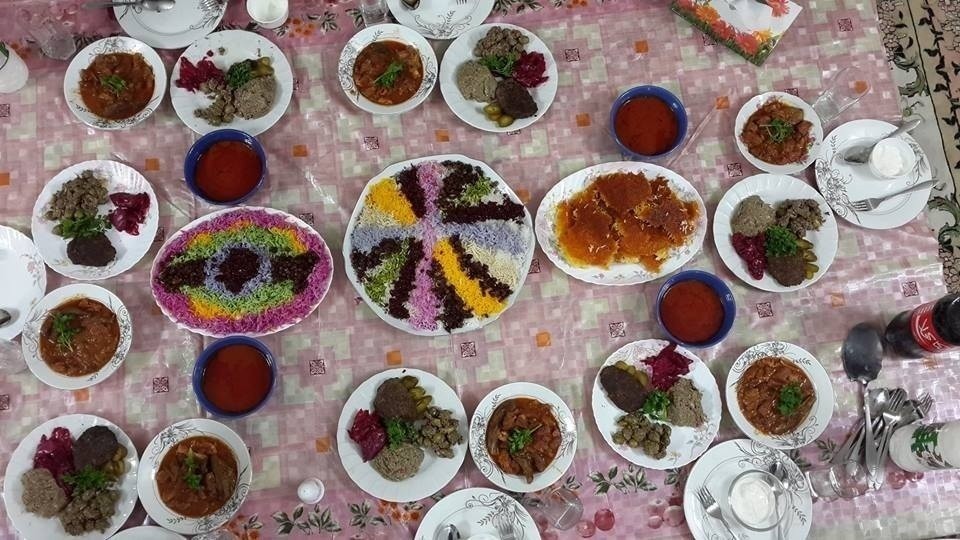
Persian cuisine refers to the traditional and modern styles of cooking originating in Iran. Situated between the Mediterranean Sea, Central Asia, the Caucasus, the Indian subcontinent, and Anatolia, Persian cuisine has a shared history and ingredients with Mesopotamian cuisine and Mediterranean cuisine. Fresh green herbs are frequently used along with fruits such as plums, pomegranates, quince, prunes, apricots, and raisins. Typical Persian main dishes are combination of rice with meat, lamb, chicken, or fish and some onion, vegetables, nuts, and herbs. To achieve a balanced taste, characteristic Persian flavorings such as saffron, dried limes, cinnamon, and parsley are mixed delicately and used in some special dishes. The Iranian sweet tooth must be seen to be believed. Rosewater and orange water are typically used as flavorings, as well as pistachio and honey. Ice cream is popular and there is also a type of candy floss that is very popular. Iranians often drink cold water with meals, but tea is the true national drink. Herbal teas such as chamomile, ginger, saffron, rose, violet, and jasmine are often drunk for their medicinal properties. Coffee is also a popular beverage, generally taken black and super-strong. Unfortunately for the short term tourist, restaurateurs in Iran often seem unaware of the amazing variety of food their culture has to offer, and often do little beyond kebabs and rice. Most of Iran's excellent food is confined to the kitchen of the family home. If you are lucky enough to be invited to an Iranian home for dinner, you should without doubt accept. The meal may well be set on the floor, sometimes without utensils. This should not be interpreted as a lack of decorum. Most meals are eaten only with a spoon and fork. Here are a few very basic tips on mealtime etiquette:
1) Check to see if the person answering the door is wearing shoes, if they arent then you should remove yours.
2) Don't sit down until told where to sit by your host.
3) You will constantly be offered food and drink. Always refuse at least once before accepting.
4) Try a bit of all of the dishes available.
5) Leave a little food at on your plate when you finish eating. The host will consider it his duty to provide more food than you can eat.