China Attractions

China Articles
Mukden Palace
The Mukden Palace (盛京宫殿), or Shenyang Imperial Palace (沈阳故宫), was the former imperial palace of the early Manchu-led Qing dynasty in China. It was built in 1625 and the first three Qing emperors lived there from 1625 to 1644....
The Mukden Palace (盛京宫殿), or Shenyang Imperial Palace (沈阳故宫), was the former imperial palace of the early Manchu-led Qing dynasty in China. It was built in 1625 and the first three Qing emperors lived there from 1625 to 1644. Since the collapse of imperial rule in China, the palace has been converted to a museum that now lies in the center of Shenyang city, Liaoning province. Early construction began in 1625 by Nurhaci, the founder of the Qing dynasty. By 1631, additional structures were added during the reign of Nurhaci’s successor, Huangtaiji. The Mukden Palace was built to resemble the Forbidden City in Beijing. However, the palace also exhibits hints of Manchu and Tibetan styles. In 2004, it was included on the UNESCO World Heritage List as an extension of the Imperial Palace of the Ming and Qing Dynasties, or Forbidden City, in Beijing.
If you need our guide/assistant/sourcing/interpreter, welcome to contact us.:)
We can custom your trip and guide you.
Please click my photo and add my contact. Let's talk details.
Thanks for reading.
Jessica In China (86-13570345653)
Jiumenkou Great Wall
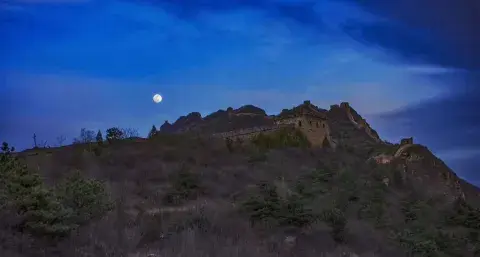
About nine miles from Shanhaiguan Pass, in Suizhong County, Liaoning province the grand wall spans the about 100-meter (0.06-mile) wide Jiujiang River. It is the Jiumenkou Great Wall....
About nine miles from Shanhaiguan Pass, in Suizhong County, Liaoning province the grand wall spans the about 100-meter (0.06-mile) wide Jiujiang River. It is the Jiumenkou Great Wall. This section of Great Wall was first built in Northern Qi Dynasty (479 – 502) and was an important military pass over a long period of time. It was rebuilt to a larger scale in the Ming Dynasty (1368 – 1644). The southern end of the wall starts from lofty mountains, connecting to the section of the wall running from Shanhaiguan Pass. It climbs along the mountain ridge till finally arriving at the banks of Jiujiang River. The wide river doesn’t stop the wall’s resolute pace forward. A huge wall bridge stretches over the river, forcing its way to the north.
If you need our guide/assistant/sourcing/interpreter, welcome to contact us.:)
We can custom your trip and guide you.
Please click my photo and add my contact. Let's talk details.
Thanks for reading.
Jessica In China (86-13570345653)
Changbai Mountain Range
The Changbai Mountain Range (长白山) is a mountain range on the border between China and North Korea. It is also referred to as the Šanggiyan, Jangbaek, or Ohnan mountains....
The Changbai Mountain Range (长白山) is a mountain range on the border between China and North Korea. It is also referred to as the Šanggiyan, Jangbaek, or Ohnan mountains. The range extends from the Northeast Chinese provinces of Heilongjiang, Jilin and Liaoning to the North Korean provinces of Ryanggang and Chagang. Most peaks exceed 2,000 metres in height, with the highest mountain being Paektu Mountain. The range represents the mythical birthplace of Bukūri Yongšon, ancestor of Nurhaci and the Aisin Gioro imperial family, who were the founders of the Manchu state and the Qing dynasty of China. The Chinese name literally means “Perpetually-White Mountain Region”.
If you need our guide/assistant/sourcing/interpreter, welcome to contact us.:)
We can custom your trip and guide you.
Please click my photo and add my contact. Let's talk details.
Thanks for reading.
Jessica In China (86-13570345653)
Top China Tours
$150 Per Day
Guangzhou
Day 1 Arrive in Guangzhou
Arrive in Guangzhou in the morning, you will be met and transferred to hotel, then visit Sun Yat-sen Memorial Hall. The Memorial Hall is a very famous historical scenic spot. It is in memory of Sun Yat-sen, the great revolutionary forerunner. After that proceed to visit the Ancestral Temple of the Chen Family. It is a unique site for offering up sacrifices to worship ancestors of 72 Chen families in Guangdong. This ancestral temple is also the largest, best preserved and best decorated ancient architecture existing in Guangdong province.
...Read moreDay 1 Arrive in Guangzhou
Arrive in Guangzhou in the morning, you will be met and transferred to hotel, then visit Sun Yat-sen Memorial Hall. The Memorial Hall is a very famous historical scenic spot. It is in memory of Sun Yat-sen, the great revolutionary forerunner. After that proceed to visit the Ancestral Temple of the Chen Family. It is a unique site for offering up sacrifices to worship ancestors of 72 Chen families in Guangdong. This ancestral temple is also the largest, best preserved and best decorated ancient architecture existing in Guangdong province.
Day 2 Guanzhou Tour
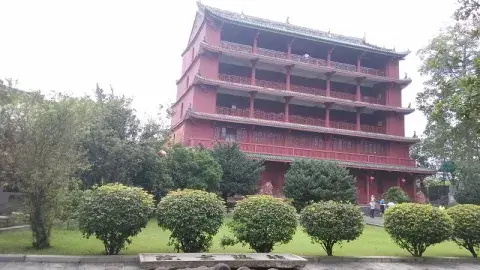
After breakfast, you will go to Yuexiu Park first, the largest and the most famous park in downtown Guangzhou. There are three artificial lakes and seven hills of Yuexiu Mountain. Then you will visit Temple of Six Banyan Trees, which is one of the four best Buddhist temples in Guangzhou and located on the Liurong Road (meaning the Six Banyan Trees Road). The Nanyue King Tomb Museum is a must-see Guangzhou attraction, which dates back to 2,000 years ago, is the earliest large scale painted stone chamber tomb ever found south of the Five Ridges. Buried with the tomb owner in a jade shroud are a gold seal and a lot of exquisite jade adornments. It has become a world famous museum. After the day tour you will be transferred to airport for your next destination.
$53 Per Day
Pingyao Highlights Walking Tour
Pingyao Highlights Walking Day Tour
With our guide to know the Ancient Pingyao better!
Our guide will meet you at your hotel lobby at 08:00 or 08:30, then show you the ticket office to get the ticket for the museums we will visit later.
...Read morePingyao Highlights Walking Day Tour
With our guide to know the Ancient Pingyao better!
Our guide will meet you at your hotel lobby at 08:00 or 08:30, then show you the ticket office to get the ticket for the museums we will visit later.
First we will visit the 700 years old City wall, We will climb up from south gate and have a walk on the wall. We are not sure how many km we can walk, because of the renovating of the wall. Normally we will walk from south gate to the Yunlu Exit.
Then visit the Confucius temple, there is a old building named Dacheng Hall which is over 840 years old. From outside, we can see the big wood joints to lift the big roof around the building which is named Dougong. Due to this design, there are less columns inside the hall for giving the big space for the statues and the prayer. We have chance to see the Confucius statue and learn the philosophy of Confucius. If you like, you can pray for you and your children to get better study.
There is the Paper Cutting master named Wentao nearby the exit of Confucius temple. She is very smart and create the new style paper cutting with much more details and good wishes on it. Her products are made by hanks. It is worth to visit and buy as a souvenir from Pingyao. From the table standing and wall hangings. Please remember, take the red one because of red is the traditional and happy color. But the white one is the best. It is really difficult to choose, because of all of them are really nice.
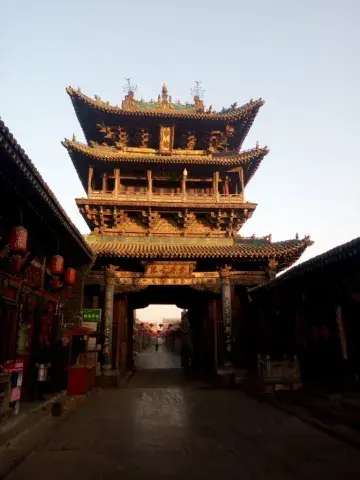
Then you can have coffee break or tea break if you need at Chummy coffee, after this, visit the City god temple (ChenghuangMiao) which is most beautiful temple inside the wall. Because of the roof is covered by the colorful glazed tiles. There is not only city god and also the three money gods, Now you know why pingyao was the financial center.
Next we will visit the Ancient government building, to see the pingyao politics center in the ancient time. It is the complete building with officials bed room, kitchen and private garden. Follow the guide to look the official’s life from the 250km far away from the hometown.
Have a stroll in the alley to the Rishengchang exchange bank, which is the first bank all of china.You can not miss it.
After lunch, walk to the Ming and Qing street, this is the shopping street full of the stores on the both side of street. You can find alot things here , from post card to lacquered boxes, and wall panels. One more place to see, it is the Armed escort agency also named security and transport service for the business man before the bank founded.
Inlcusions
1.private english speaking tour guide servcie
2.bottle water for the tour
$310 Per Day
3- Day Popular Tour In Zhangjiajie
Day 1 Zhangjiajie National Forest Park
Full day trip to Zhangjiajie National Forest Park,take Bailong Elevator up Yuanjiajie,Bailong Elevator is the said to be the worlds tallest full-exposure outdoor lift,double-deck sightseeing elevator.Yuanjiajie is the inspiration for Hallelujah Mountain in AVATAR , Where you will also find the aptly named First Bridge under Heaven, Lover Peaks and so on.
...Read more
Day 1 Zhangjiajie National Forest Park
Full day trip to Zhangjiajie National Forest Park,take Bailong Elevator up Yuanjiajie,Bailong Elevator is the said to be the worlds tallest full-exposure outdoor lift,double-deck sightseeing elevator.Yuanjiajie is the inspiration for Hallelujah Mountain in AVATAR , Where you will also find the aptly named First Bridge under Heaven, Lover Peaks and so on.
Continuing to Tianzi Mountain, it takes you 40 minuts from Yuanjiajie to Tianzi Mountain by public bus, after arriving in Tianzi Mountain, you will have a bird’s-eye view of all the mountains and valleys of the Wuling Mountains. Visit Western Sea, Helong Park, Viewing Terrace etc.Take Tianzi cablecar down and check in hotel for a rest.
Accommodation: Wulingyuan Downtown
Day 2 Baofeng Lake & Glass Bridge
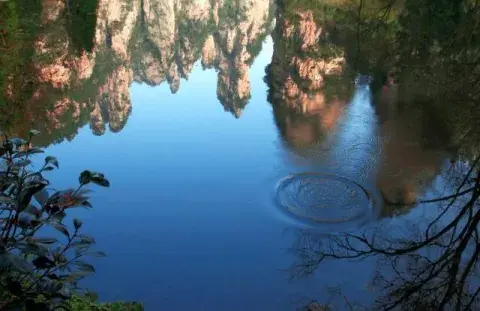
After breaking in the hotel, we head to Baofeng Lake where is the masterpiece of nature and human beings’wisdom. Baofeng Lake is pure just like a big crystal among Bao feng mountain Range.When you cruise, you can hear authentic song from Tujia minority people,you can fully understand the harmony and peace between human beings and nature.
Transfer to Zhangjiajie Grand Canyon, have a walking on the Glass Bridge, Glass Bridge is the highlight of Zhangjiajie Grand Canyon, located in Zhangjiajie Grand Canyon, Zhangjiajie Grand Canyon Glass Bridge is the highest and longest transparent glass bridge with a length 430 meters and a width 6 meters. It is 300 meters above the ground level and it can bear 800 persons standing on it at the same time. (need to book the tickets in advance)
Accommodation: Wulingyuan Downtown
Day 3 Tianmen Mountain
Full day to explore Tianmen Mountain,take the longest cablecar in the world up Tianmen Mountain,have a walk on the mountain plank road built along the face of cliffs. You will feel like walking in a fairy land when the mist is still heavy.The must-visit scenic spots are: Tianmen Cave, Glass Road, Tianme Temple.
See you off in the airport and looking forward to seeing you again in Zhangjiajie.