symbolic structures
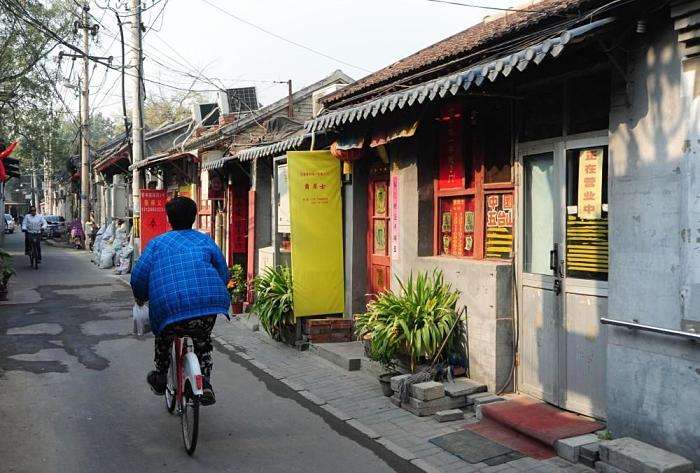
In the green shade, stand four arches. Two of these, one at the western end and the other at the eastern end of the street, bear plaques carved and colored with the Chinese characters Cheng Xian Jie. The two other arches are set on either side of the Imperial Academy’s gate with the three Chinese characters Guo Zi Jian on them. The arches are like barriers. On the outside, there are busy streets with the modern hubbub of noisy traffic and people. However, once you step through the arches, the noise seems to be cut off and all becomes quiet and pleasant.
Some cultural relics remain on Guozijian Street. The most symbolic structures are the Imperial Academy and Temple of Confucius. The Imperial Academy is the only remaining state-run college from China’s distant past. Established in 1306, it was the supreme administrative headquarters of education and the highest seat of learning during the Yuan,Ming and Qing Dynasties (1271 – 1911 AD). The Temple of Confucius is to the west of the Imperial Academy with the Chijing Gate joining the two establishments. People attend the temple to pay homage to Confucius, the great educationalist, ideologist and founder of Confucianism and private schools in China.