the Palace of Earthly Harmony
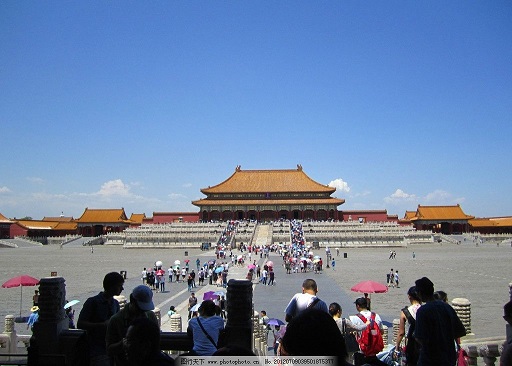
Religion was an important part of life for the imperial court. In the Qing dynasty, the Palace of Earthly Harmony became a place of ManchuShamanist ceremony. At the same time, the native Chinese Taoist religion continued to have an important role throughout the Ming and Qing dynasties. There were two Taoist shrines, one in the imperial garden and another in the central area of the Inner Court.
Another prevalent form of religion in the Qing dynasty palace was Buddhism. A number of temples and shrines were scattered throughout the Inner Court, including that of Tibetan Buddhism or Lamaism. Buddhist iconography also proliferated in the interior decorations of many buildings. Of these, the Pavilion of the Rain of Flowers is one of the most important. It housed a large number of Buddhist statues, icons, and mandalas, placed in ritualistic arrangements