development of hutong
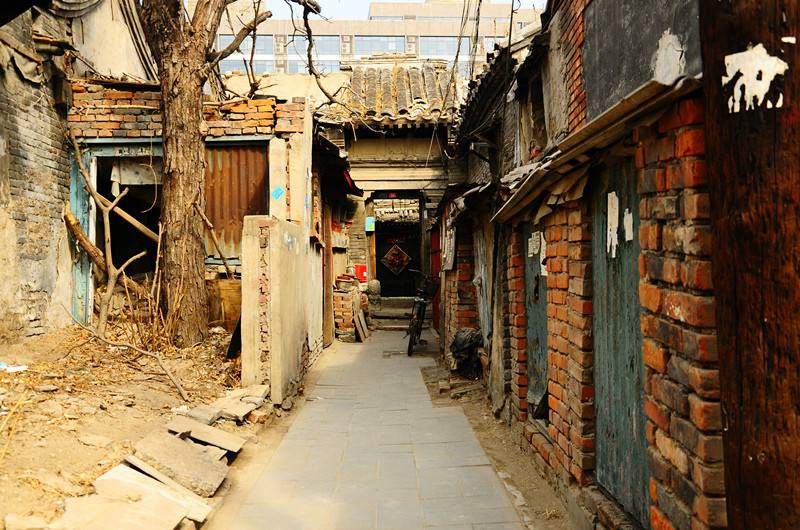
In the Yuan Dynasty, Mongolians attached great importance to water, so almost every community in the city was designed around a well, which provided the daily water for the locals. Until now, one can still find dry wells in some old alleys.
In the past, Beijing was composed of hundreds of courtyards around the Forbidden City, and these lanes stretched out in all four directions, connecting the different kinds of courtyards in the city. Although originally formed in the Yuan Dynasty, the building of the these developed fast during the Ming and Qing Dynasties (1368 - 1911). In the Yuan Dynasty, there were about 29 Hutongs, while in the Ming Dynasty, this number increased to 1,070. In the Qing Dynasty, it grew to 2,076. It is said that by 1949 there were as many as 3,250. But with the passage of time, and the requirement for city construction, the number of them has fallen dramatically. In 2003, only 1,500 were left, and now no more than 1,000 remain. Thus, protecting them is an urgent problem for modern people.