Beijing Attractions

Enoterra

Wine bar Enoterra is tucked into a corner next to Agua on the fourth floor of Nali Patio. Come here for the wine, but don’t rule out the food: a simple menu of dishes made to share and designed to pair with the wines. Impressing the appetite first is the spicy clam casserole (35 RMB) steamed ligh...

Wine bar Enoterra is tucked into a corner next to Agua on the fourth floor of Nali Patio. Come here for the wine, but don’t rule out the food: a simple menu of dishes made to share and designed to pair with the wines. Impressing the appetite first is the spicy clam casserole (35 RMB) steamed lightly with jalapenos; tender, buttery and juicy, speckled with red chilies. The broth at the bottom of the bowl makes for great mopping with bread. The croque monsieur (62 RMB), France’s answer to a ham and cheese sandwich, arrives hot and cheesy, topped with prosciutto over two toasty slices of rye bread.

The chunky chopped salad (48 RMB) doesn’t follow any definition of a chopped salad. It’s a bowl of leafy greens mingled with cubed ham, mozzarella, quail egg and celery, dressed with too much sweet vinegar and almost no oil. The wax cubes of mozzarella lurking within are the kind for melting on pizza and not the kind you want in your salad. Rich and creamy, veggies crème brulée (38 RMB) is like a quiche with asparagus, mushrooms and tomato. It has no crust and trades the traditional burnt sugar topping for a chewy parmesan cheese layer on top. Served generously in three small bowls, the dish is just perfect for sharing.

Peas and mint soup (40 RMB) wasn’t worth the wait, tasted heavy on the mint and had a limp, pale color that didn’t match our expectations of a warm soup on a cold Beijing evening. The soft flourless chocolate cake (40 RMB) tenders a happy finish to a modest meal. Although the dishes are encouraged to share, ordering a portion per person won’t disappoint anyone at the table.

Enoterra offers a handful of evening specials for wine lovers to enjoy both vino and food alike. Suitable for casual dates or conversation, the ambiance and the food portions facilitate both comfortably.

Miss Zhao's Bistro

Miss Zhao’s Bistro is a typical Wudaoying Hutong hangout. Just like all the other bars and cafés in this area, it provides a cozy and quirky setting in which you can enjoy a languorous drink day or night.

Downstairs, comfy leather armchairs sit next to shelves stacked with just enough curio...

Miss Zhao’s Bistro is a typical Wudaoying Hutong hangout. Just like all the other bars and cafés in this area, it provides a cozy and quirky setting in which you can enjoy a languorous drink day or night.

Downstairs, comfy leather armchairs sit next to shelves stacked with just enough curious knickknacks to excite the big kid in you: model airplanes, Transformers toys that morph into cassette players, and, nestled incongruously among these retro toys, a stack of Chinese editions of Vogue magazine.

Upstairs, the scene is more reminiscent of Paris’ Rive Gauche; smoke fills the small space and hipsters crowd round cheap tables and chairs. This café distinguishes itself from the rest, however, by offering more than just the usual house red and white. Australian shiraz, French cabernet sauvignon, Argentinean chardonnay, German riesling and Italian prosecco are all available, although, as is the case with many bars in China, there’s an inexplicably huge mark-up on some of the bottles. For example, the 2008 Meritus McLaren Vale Shiraz is an award-winning red, but it’s not worth the menu’s jaw-dropping 1,200 RMB.

Other wines, such as the clean, crisp and fruity Argentinean Fuzion blend of chenin blanc and chardonnay (280 RMB a bottle; 45 RMB a glass), are better value for the money. Aside from the wider wine selection, Miss Zhao’s also sets itself apart with its professional services. Overall, this bistro serves as a charming, though sometimes overpriced, wine bar.

Wine Talk

Wine Talk is really one of the hidden gems of Beijing. From its quiet and responsive service and well-executed food to its lush welcoming environment, a meal at Wine Talk is truly a treat! If you don’t live near Caochangdi, the trip getting there can seem a long one. So when you fancy an outing t...

Wine Talk is really one of the hidden gems of Beijing. From its quiet and responsive service and well-executed food to its lush welcoming environment, a meal at Wine Talk is truly a treat! If you don’t live near Caochangdi, the trip getting there can seem a long one. So when you fancy an outing to the district’s galleries, you can make a day of it by popping into Wine Talk. This mammoth-sized restaurant has been squatting on Caochangdi’s outskirts for over four years now, but at the risk of sounding like Michael Caine, 'not a lot of people know that.' Since it gets relatively few visitors, its spacious surrounds – including a large, impeccably manicured lawn and decking with tables, chairs and sunshades set against an ivy-clad wall – are the perfect spot for a summer nightcap. When Time Out visited, the waitresses took a bit of persuading to let us sit outside – apparently, the ‘dogs’ might disturb us – but eventually we were allowed to see the sun set in the open air, and the only canines that we spot were inoffensive little fluff balls frolicking with their owner in close attendance. The whole effect makes us feel like we’re drinking in Europe. The French-inspired food here is expensive, but the wine list is extensive, with bottles starting from 98 RMB. Reds are particularly well represented, but we opt instead for a Chilean chardonnay and are pleased when it arrives well chilled and served in a wine bucket. Ambience: Large lush property dominated by a wide green lawn. Interior is brick with ivy accents, white table cloths and classic table settings.

NBeer Pub

The NBeer Pub, just a couple paces from the Ping'anli Station, could make a beer nerd out of you, whether you like it or not. Let's start with the fridge, the biggest of its kind in Beijing. Inside, you’ll find such rarities as the 'Sink the Bismark', a 41 percent ABV bombshell that’s like sippin...

The NBeer Pub, just a couple paces from the Ping'anli Station, could make a beer nerd out of you, whether you like it or not. Let's start with the fridge, the biggest of its kind in Beijing. Inside, you’ll find such rarities as the 'Sink the Bismark', a 41 percent ABV bombshell that’s like sipping Xenomorph blood, but hoppier. Other fancy imports will run you upwards of 2,000 RMB. Consult the staff before throwing down for the first thing that catches your eye; their eagerness to offer informed suggestions are a boon to boozers. Our attention was directed towards three excellent choices: O’Hara’s Leann Folláin (39 RMB), Wells Banana Bread (29 RMB) and Honey Brown Lager (33 RMB). We were particularly taken with the Banana Bread; it tasted fresh-baked. NBeer Pub really shines as a battle royale of Beijing microbrews. Get a flight of six (68 RMB) and your taste buds play referee as Great Leap Brewing, Tipsy Face, Panda and Master Gao’s face off. If you think you can do better, sign up for the 1,780 RMB class to brew two 20-litre kegs of your own, custom designed labels included. How cool is that? To top it all off, NBeer Pub’s fries are salty sticks of awesome and the music is infectious. Thank heavens we've got friends who live in Xicheng District.

D&M Bar

Vincent Guo from Apothecary and Ala House has teamed up with Jerry Zheng from Twilight and The Malt to lay the foundations for D&M Bar. The letters, apparently, come from their Chinese names: they’re translated as ‘Dragon and Mountain’, which sounds more like a pub frequented by attendees of ...

Vincent Guo from Apothecary and Ala House has teamed up with Jerry Zheng from Twilight and The Malt to lay the foundations for D&M Bar. The letters, apparently, come from their Chinese names: they’re translated as ‘Dragon and Mountain’, which sounds more like a pub frequented by attendees of a local renaissance fair than an upscale Beijing cocktail joint. There are over 200 bottles of amber whisky lining the back wall, which belies a focus on cocktail classics. The mixology skills clearly benefit from the pair’s previous workplaces. The terrific old fashioned (70 RMB) is made just like Ala House’s, where they set the orange peel alight before extinguishing it in the top-shelf whisky for a burnt citrusy tang. That drink’s a champion – making the trek south worth our while. Meanwhile the perfect Manhattan (70 RMB) and the sweet, lemony Tom Collins had us feeling like we had walked in on a Mad Men shoot. The menu is divvied up by alcohol base: gins, whiskeys, tequilas. However, our best drinks came straight from the bartender’s suggestions. Our B&B (70 RMB) completely ignores the traditional brandy recipe to produce an equally palate-blasting mixture. The Tanqueray gin and bourbon duo initially had us questioning his mettle, but boy, did it work: the herbal base combined with the sweetness of the bourbon was an ideal concoction for a sweltering day. Others were equally well presented and enjoyed: a Highland cooler (60 RMB) was a nice, light spritzer with a noticeable splash of whisky. These guys know their liquor. D&M is a great example of the ongoing ‘Shuangjing renaissance’; there certainly aren’t any other cocktail bars of this grade south of Guomao (The World Trade Center), and before D&M it was necessary to find some wheels to get a good buzz. For everyone else, it’s hard to imagine travelling to somewhere so regional, which means that seats should be wide open for regulars. It’s a great neighborhood cocktail spot for the off-work crowd, and fills a need Shuangjing probably didn’t even realize it had.

Great Leap Brewing Taproom

Just follow the punters through the imposing iron door into bearded winemaker Carl Setzer’s newly opened Gongti flagship. Setzer and his wife Liu Fang, have re-imagined the gastropub experience for the Beijing audience. It’s lost a lot of the charm of the original but mostly made up for it throug...

Just follow the punters through the imposing iron door into bearded winemaker Carl Setzer’s newly opened Gongti flagship. Setzer and his wife Liu Fang, have re-imagined the gastropub experience for the Beijing audience. It’s lost a lot of the charm of the original but mostly made up for it through the advantages of its massive scale. The novelty of chatting with the proprietors about how they make their brews, for example, is lost in this high-decibel, high-turnover pub. But that doesn’t detract from the fine taste of the beers – the hoppy Honey Ma Gold (35 RMB), with its nose full of Sichuan peppercorn, the malty, fragrant crispness of the Banana Wheat (50 RMB), or the smooth, amber-colored, slightly sweet Cinnamon Rock Ale (35 RMB). Not all brews measure up, though – the bland Prosperor (40 RMB) tasted vaguely bitter, while the cloudy Heaven on Earth Kölsch (40 RMB) was low on suds. This was especially disappointing as the GLB has a state-of-the art tap system that connects directly to the in-house brewery, ostensibly allowing staff to pull smoother, more reliable drafts. Four brews, taken from GLB’s rotating list of a dozen or so craft ales, were available on tap when we visited, and by the time you read this a full complement of 12 should be available. The menu also has basic mixers and house red and white wines (all 40 RMB). Plentiful, well-trained waiters somehow manage to pacify the roaring, mostly expat, crowd with attentive service. Most can speak English but getting them to explain the beers in their second language is something of a stretch. A list of all beers and their ABV is buried in the back of the menu, but it currently lacks a detailed introduction to the various types.

Paddy's Irish Bar

Bourbon got a literal lick of paint (light green, of course), five screens of sports, a projector, a band stage, a couple of football scarves and approximately twelve hundred thousand million billion tones of Guinness memorabilia, lest ye forget that this is an Irish pub, so it is, ah begorrah, t...

Bourbon got a literal lick of paint (light green, of course), five screens of sports, a projector, a band stage, a couple of football scarves and approximately twelve hundred thousand million billion tones of Guinness memorabilia, lest ye forget that this is an Irish pub, so it is, ah begorrah, the Blarney Stone, pot o’ gold, Westlife, me Lucky Charms, etc. The sports screens are there to replicate O’Shea’s packed-out sports nights, but the cramped environs and view-obstructing pillars aren’t conducive to that. The house bands that play on Fridays and Saturdays are pretty good, if overloud, but the second-floor location means they won’t draw in anyone off the street. The food is excellent. We ordered the roasted lamb loin with ratatouille, cinnamon and blueberry sauce (118 RMB), expecting to laugh at a ham-fisted recreation of fancy-pants cuisine. Reader, we were oafs. Delicately balanced flavors, tender meat, and lovely presentation – if we’d been served it in a mid-level restaurant we’d have been satisfied. The burgers (from 48 RMB) also came up trumps. A smattering of the usual suspects (Guinness 55 RMB per pint; other pints and bottles from 20 RMB), a good spread of whiskeys, spirits and not-too-bad cocktail work (all from 35 RMB) and you have the beginnings of a pretty good gastropub. Perhaps that’s the direction this new Paddy’s should pursue. Without it, we fear, it really will need the luck of the Irish.

Beijing Articles

Top Beijing Tours

$300 Per Day

10 Days Cuisine Feast Tour with All the Major China Cuisines

Day 1 Arrival Beijing (D)

Transfer via: Flight on your own arrangement
Upon your arrival you will be greeted by our local guide and then transferred to your hotel by a private air-conditioned car. For the rest of the day you will enjoy some leisure time.
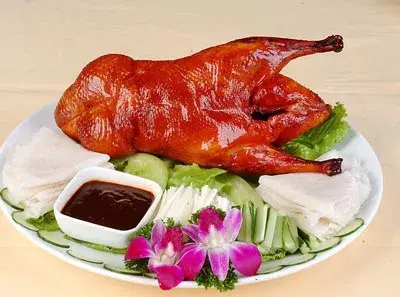
Dinner: Tonight the spectacular Peking duck banquet at Qianmen Quanjude Beijing Duck Restaurant- the most famous Beijing duck restaurant in the world. With a history of 137 years, it will give you an enthusiastic welcome.
Day 2 Beijing (B, L, D)

Sightseeing: Temple of Heaven, Tiananmen Square, Forbidden City
This morning our tour will begin with a visit of the Temple of Heaven, which was completed in 1420, and expanded over the years by two Qing Dynasty Emperors. It was the place where the Emperor came every winter solstice to worship heaven and to solemnly pray for a good harvest. With the three blue-tiled cone-shaped roofs, a unique wooden and blue-tiled structure built without a nail, it has become a worldwide symbol of Beijing.

After lunch, we will go on our city tour to visit Tiananmen Square, the symbolical heart of China and gathering place for the masses. It is the biggest public square in the world, which can hold one million people.

From here we will walk across the Golden River Bridge to visit the Forbidden City and experience the ancient Emperor's daily life. For 5 centuries Chinese emperors carried out their administration here. With almost 10,000 rooms, it was the centre of the Ming and Qing dynasties, a massive complex of palaces, pavilions, courtyards and gardens where 24 emperors used to live. Forbidden City was the largest palace in the world, and in the past it was indeed a forbidden place for commoners. Your tour here will include private access to the Emperor's palace.


Dinner: Fujian cuisine
Fujian cuisine is noted for its light touch, sweet and sour flavor. The cooking puts great attention in choosing the choicest ingredients, and is thus particularly apt in preparing seafood dishes. The dishes mostly marinated in wine, are souring sweet, specialize in all kinds of seafood, stir-fired, quick-fried and shallow oil-fried; simmered, with stress on flavor soup.

Restaurant: BaMinShiFu
Tel: 86-010- 64428833-5855
Address: No. 11, 3section AnZhenXiLi Chaoyang District, Beijing
Day 3 Beijing (B, L, D)

Sightseeing: Badaling Great Wall, Ming Tombs, Sacred Way
After experiencing the royal lifestyle, today we will be transferred to the surrounding countryside of Beijing and visit the Badaling Great Wall, the pride of China and one of the Seven Wonders of the World. Whereas Genghis Khan contemplated it as a military obstacle, Richard Nixon described it as one of humankind's greatest achievements. You will be able to climb and walk one of the best preserved sections of the 2,000 years old ancient wall, admiring the splendid mountain views. Bring a jacket and layer- although it is breezy, the climbing is tough. So be in a good shape!

In the afternoon we will visit the legendary Ming Tombs, which are situated at the foot of Heavenly Longevity Mountain, Changping, northwest of Beijing. Since there are 13 Ming emperors buried there, this place was called the 13 Ming Tombs. You will walk along the Sacred Way, a road guarded by stone statues on both sides, as the ancient emperors did to hold a memorial ceremony for their ancestors. In addition, you will encounter the marble tombs of the Ming Dynasty emperors.
On the way back to hotel, you will be driven to visit the main 2008 Beijing Olympic venues, take an exterior visit of both the, Beijing National Stadium (Bird's Nest/Olympic Stadium), National Swimming Centre('The Water Cube'),feel free to take some photos of the stadiums.
Dinner: Anhui cuisine

Anhui cuisine follows strict rules in the use of heat and salt; stewed in brown sauce with stress on heavy oil and sauce.

Restaurant: Huangshan Hui Restaurant
Tel: 86- 010-63031467
Address: TianQiaoLiuXue Road ChongWen District, Beijing
Day 4 Beijing / Shanghai (B, L, D)

Transfer via: Flight on our arrangement
Sightseeing: Hutongs, Summer Palace
We will experience a unique Hutong tour by taking a rickshaw this morning. Hutongs are a kind of ancient city alley or lane and are very typical for Beijing. Most of them can be found close to the Forbidden City, and many were built during the three dynasties of Yuan, Ming and Qing. Today, the Hutong is a living museum of Beijing history showing the traditional lifestyle of Beijing people.

We will continue by visiting the Summer Palace. Equally famous as the Forbidden City, the Summer Palace is called 'Yiheyuan' (Garden of Nurtured Harmony) in Chinese. Until nowadays, it is the best preserved and the largest imperial garden in China. You will regret it if you leave Beijing without having visited this grand imperial garden.

Then you will take the flight to Shanghai. Arriving in Shanghai, you will be met and transferred to your hotel by our local guide. Together, you will take a walk to the famous Nanjing Road and the Bund. They are among the most recognizable architectural symbols of Shanghai and therefore a must-see when visiting Shanghai.
Dinner: Zhejiang cuisine

Zhejiang food is represented by Hangzhou, Ningbo, and Shaoxing styles. Zhejiang cuisine is tender, mild and fresh.

Restaurant: FeiHuangRenWen Restaurant
Tel: 86- 021-63249533
Address: No.330 Tiantong Road Hongkou District, Shanghai
Day 5 Shanghai (B, L, D)

Sightseeing: Shanghai Museum, Jade Buddha Temple, Oriental Pearl Tower, Yuyuan Garden
Today we will start the day with a visit of Shanghai Museum which is the biggest museum of China. It incorporates a collection of over 120,000 pieces of Chinese art & cultural relics and is especially famous for its treasures of bronzes, ceramics, paintings and calligraphy.

Then we head to the Jade Buddha Temple. The old-time and classical architectural style makes the temple unique and inimitable in this modern city. Both, the Sitting Buddha and the Recumbent Buddha are carved with whole white jade. If you're lucky, you can watch the monks serving a ceremony in a side room.

After lunch, we will visit the Oriental Pearl Tower, the highest TV Tower in Asia, which creates a picture of 'twin dragons playing with pearls'. The entire scene is a photographic jewel that excites the imagination and attracts thousands of visitors all year-round.

Then we will take a relaxing walk to the lovely Yuyuan Garden, a beautiful garden in the south of the Yangtze River. Wandering through it, you will find pavilions, corridors, streams, courtyards as well as many other natural features.
Dinner: Shandong cuisine

Shandong food consists of Jinan and Fushan food. Jinan food makes good use of soup seasoning, frying in deep oil and steaming. Shandong roast chicken is especially good with wine and the chicken is and tender. Tasting it is guaranteed to make the diner believe. Shandong cuisine is known for its light seasoning, qualities of freshness, clear colors and delicate fragrance and pure tastes.

Restaurant: Luwei Restaurant
Tel: 86-021-63738270
Address: No.18 Yunnan Nan Road Huangpu District, Shanghai
Day 6 Shanghai / Suzhou (B, L, D)

Transfer via: soft seat train arranged by us
Sightseeing: Humble Administrator's Garden, Zhouzhuang.
In the morning we'll depart from your hotel and take the express train to Suzhou. Suzhou is praised as the "Oriental Venice" and called 'paradise on earth' along with Hangzhou.
Upon your arrival in Suzhou, our guide will meet you and escort you to a local restaurant for lunch. Then you will visit the Humble Administrator's Garden, the largest classical garden in Suzhou and one of the four most famous ones in China. Originally built in 1513 AD, the garden consists of three parts with different types buildings around streams and ponds.
We will spend the afternoon in Zhouzhuang, one of the most famous water townships in China. Situated in Kunshan City, which is only 30 kilometers (18 miles) southeast of Suzhou, it is noted for its profound cultural background, the well preserved ancient residential houses, the elegant watery views and the strong local colored traditions and customs. Let us explore this town with a history of more than 2500 years and get to know about the architecture, lifestyle and inhabitants there.
Afterwards you will be transferred back to Suzhou to spend the rest of your day on your own.
Dinner: Jiangsu cuisine

The origin of Jiangsu cuisine can be traced to pre-Christian times. Jiangsu cuisine specialties are lightly flavored, whether they combine sweet-and-salty tastes. Soya sauce and spices are mild and used sparingly, although the use of rich-flavored broth is extensive.

Restaurant: BaoFangYuan Restaurant
Tel: 86- 0512-67206597
Address: No. 207 Pishi Street Pinjiang District Suzhou.
Day 7 Suzhou / Hangzhou (B, L, D)

Transfer via: soft seat train arranged by us
Sightseeing: West Lake, Meijiawu Tea Plantation
Our guide and driver will escort you from Hotel to train station (Suzhou). Upon your arrival in Hangzhou, our local guide will meet you and escort you to beautiful West Lake. We will take a cruise boat across the lake to see the 3 pagodas in the lake. The West Lake is the most famous tourist spot of Hangzhou. Graceful mountains surround it on three sides. It has a charming scenery and many cultural relics and historic sites. Then you will visit the Meijiawu Tea Plantation. Tea village is seated at the hinterland of West Lake Park and it is famous for its tea production. Everybody will feel relax in such a natural environment; enjoy the special tea culture and the beauty there.
Dinner:Hunan cuisine

Hunan cuisine takes curing, simmering, steaming and stewing as the main cooking methods. It is fragrant and fresh, sour and peppery, yet soft and tender.

Restaurant: DingXianFang Restaurant
Tel: 0571-87823878
Address: No.456 Qingtai Road Shangcheng district, Hangzhou.
Day 8 Hangzhou (B, L, D)

Sightseeing: Six Harmonies Pagoda, Lingyin Temple and Feilai Feng (also named Ling JiuFeng)
Today you will also visit Lingyin Temple including the Feilai Feng. The Feilai Feng is situated in the east of Ling Yin Temple. Isolated from others, its stone quality is totally different from that of surrounding mountain groups. It is 167 meters high, on the peak there are many grotesque stones in the shapes of charming dragon, prostrate tiger, walking elephant and scared ape. The main hall of Lingyin Temple is about 34 meters (111 feet) tall - incredibly high for a one-storey building. In the center of the hall you'll find the statue of Sakyamuni Buddha, which was carved from 24 pieces of camphor wood. The temple was named Lingyin Temple for its extremely beautiful environment which is serene and suitable for "Soul's Retreat".
After that, we will drive to the Six Harmonies Pagoda, highly erected next to Qiantang River and in the south of the West Lake. It is a perfect example of brick-and-wood structure built in ancient China and was built in 970 AD in the Northern Song dynasty (960-1127) to press down the evil of the river tidal bore in Qiantang River.
After lunch, our guide and driver will escort you to the bus station (Hangzhou), upon your arrival in Huangshan; our local guide will meet you and escort you to hotel by a private air-conditioned car. Then you will spend the rest of day on your leisure.


Dinner: Sichuan cuisine

Distinct features of Sichuan style: they prefer steaming, simmering, and smoking. The cooking is elaborate and meticulous and the flavoring highly varied and mixed. The taste of each dish is very distinct. A common Chinese saying about Sichuan cuisine is that each meal has its own unique taste, and no two dishes have the same flavor. Sichuan cuisine is world-famous for its diverse hot and spicy flavor.

Restaurant: ChuanLiuBuXi Restaurant  
Tel: 86-0571-86069777 87172577
Address: No.246 Jiefang Road Shangcheng District, Hangzhou
Day 9 Hangzhou-Guangzhou (B, L, D)

Transfer via: Flight on our arrangement
Sightseeing: Sun Yat-sen Memorial Hall, Ancestral Temple of the Chen Family
Upon your arrival at the airport you will be met by your local guide. Then you will start your sightseeing tour by visiting Sun Yat-sen Memorial Hall. It is a magnificent building in the shape of octagon and an important place for large scale meeting and performance. Sun Yat-sen Memorial Hall was built in order to commemorate the contributions of Sun Zhongshan, the great predecessor of Chinese revolution for democracy. It is a memorial construction donated by the people in Guangzhou and the overseas Chinese and is listed as one of the first class cultural relics in Guangdong Province.

Afterwards you will visit the Ancestral Temple of the Chen Family which is also called Chen Clan Academy. It is a place both for offering up sacrifices to ancestors and for study. Now the Chen Clan Ancestral Temple in Guangzhou City, the Ancestors' Temple in Foshan City, the former Residence of Sun Yat-sen in Zhongshan City and the Opium War Memorial Hall in Dongguan City are regarded as the four major cultural tourist sites in Guangdong Province.
Dinner: Guangdong cuisine

In preparing the Guangdong cuisine, dozens of varieties of ingredients are often involved and more than 30 different kinds of cooking methods such as frying, grilling, stewing, simmering, deep-frying, roasting, and braising, etc. Freshness is everything to the Guangdong cuisine.

Restaurant: ALiuShiJia Restaurant
Tel: 86- 020-83516761
Address: No.302 Huanshizhong Road Yuexiu District, Guangzhou.
Day 10 Guangzhou (B, L)
Sightseeing: Yuexiu Park, Temple of Six Banyan Trees, Western Han Nanyue King Tomb Museum
In the morning we will start off to Yuexiu Park, the biggest comprehensive sight-seeing park. Yuexiu Park consists of seven hummocks and three artificial lakes. Yuexiu Park is well-known for beautiful hills and waters and plenty of antiques which you can enjoy at ease in the park. There are verdant grasses and trees, birds' singing, and fragrant flowers all through the year. Travelers will lose themselves in the elaborately engraved and Lingnan-styled pavilions, platforms, towers, and corridors; and the rippling water of the lakes.
Then you will head to the Temple of Six Banyan Trees. It has a long history in Guangzhou and is an ancient monastery famous at home and abroad. There are majestic towers, dense trees, plenty of antiques and valuable heritage from those famous people in the history. It is one of the four Buddhism temple complexes in Guangzhou is an important unit for the preservation of antiques.
Finally you will visit Western Han Nanyue King Tomb Museum, which is the oldest and largest Han tomb with the most funerary objects in Lingnan (South of the Nanling Mountain) Area. As one of the 80 famous museums in the world, the museum covers 14,000 square meters (150, 699.6 square feet) with 10 exhibition halls.
In the evening you will be transferred to the airport to take your flight to the next destination.
$300 Per Day

Shicha Hai

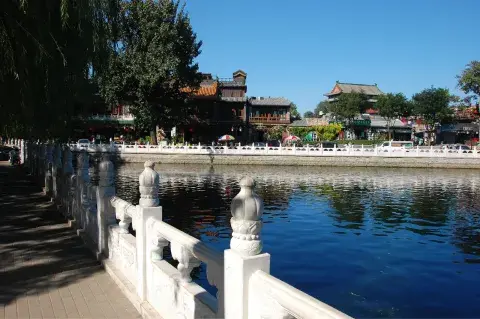
Shichahai is a famous scenic area that includes three lakes (Qian Hai, meaning Front Sea; Hou Hai, meaning Back Sea and Xi Hai, meaning Western Sea), surrounding places of historic interest and scenic beauty, and remnants of old-style Beijing residences, Hutong and Courtyard. It is located in the northwest part of Beijing, and covers a large area of 146.7 hectares (about 363 acres). We can take a walk along the lake and have a cup of hot coffee after some strolling.

The greatest point of interest in Shichahai today is its residences, Hutong and Courtyard. In and around Beijing City, Shichahai is one of the best places to view well-preserved Hutongs and courtyards.


Hope you can enjoy!!

$200 Per Day

Private Beijing Antique Shopping Tour with Lunch

Start your private tour with pickup from your central Beijing hotel, and meet your private guide. 
 
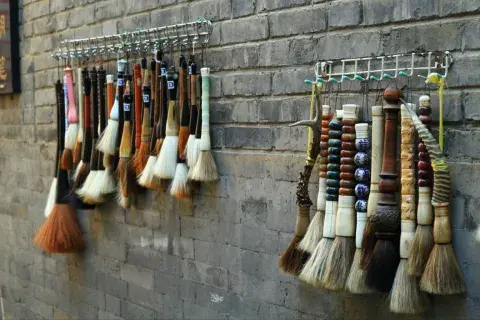
Hop inside your private, climate-controlled vehicle and travel to your first stop: Liulichang Antique Street. Situated in old Beijing, this history-steeped street is lined with stone shop-houses selling antique books, handicrafts, paintings, rubbings, glazed pottery, and other treasures. 
 
Hear about Liulichang’s history, and get advice from your guide as to the best shopping opportunities. Sift through the traditional shops and stands, and explore the side lanes (hutongs), where the shops still bear original Ming and Qing architectural features like ornately carved doors and upswept roofs. 
 
Next, drive to Panjiayuan Market, a so-called ‘weekend market’ that’s open daily. Weave through the throng of stands, perusing the huge array of antiques, curios, ceramics, Tibetan rugs, calligraphy, and other finds. 
 
After shopping here, refuel with lunch at a Chinese restaurant, and continue to Baoguosi Cultural Market, set around an old temple. Scour the courtyards of vendors hawking stamps, books, coins and jade, and get tips on scouting out and clinching the best deals from your guide. 
 
If time allows, squeeze in a visit to Hongqiao Market, a mall known for its pearl traders, and electronics, art, clothes, and accessories shops. Trawl for bargains, and haggle over pearls and other precious gems as perfect keepsakes of your time in Beijing. 
 
After seven hours, your tour concludes with a hotel drop-off.