Tour Description
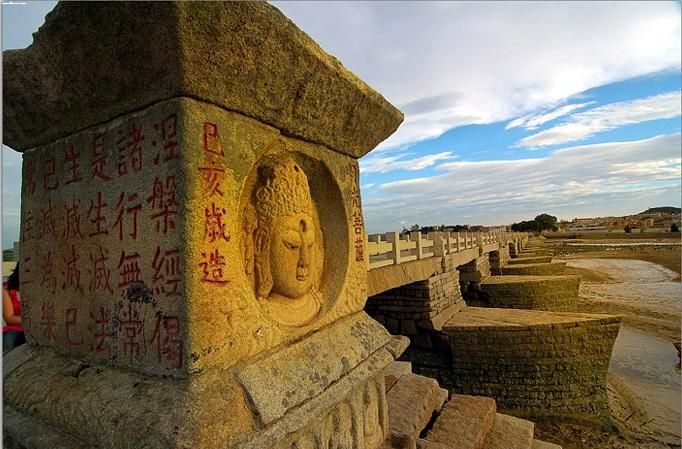
If you are interested in ancient Chinese culture, you can't miss Quanzhou, a city which has different religions home and abroad exist harmoniously and many historic evidences well-reserved. You can either spend one day for a short visit or have a two or three days tour to explore the whole Quanzhou. As a local tour guide, I will show you this special city in China.
Quanzhou was China's major port for foreign traders, who knew it as Zaiton or "Zayton", an Arabic name(زيتون), once popular in English, means "[City] of Olives" and is a calque of Quanzhou's former Chinese nickname derived from the many oil-bearing tung trees ordered planted by the city's 10th-century ruler Liu Congxiao.
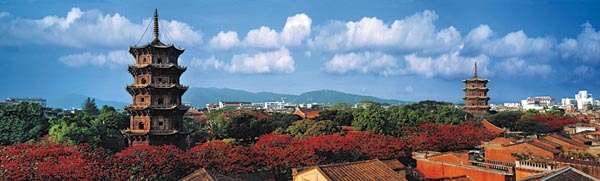
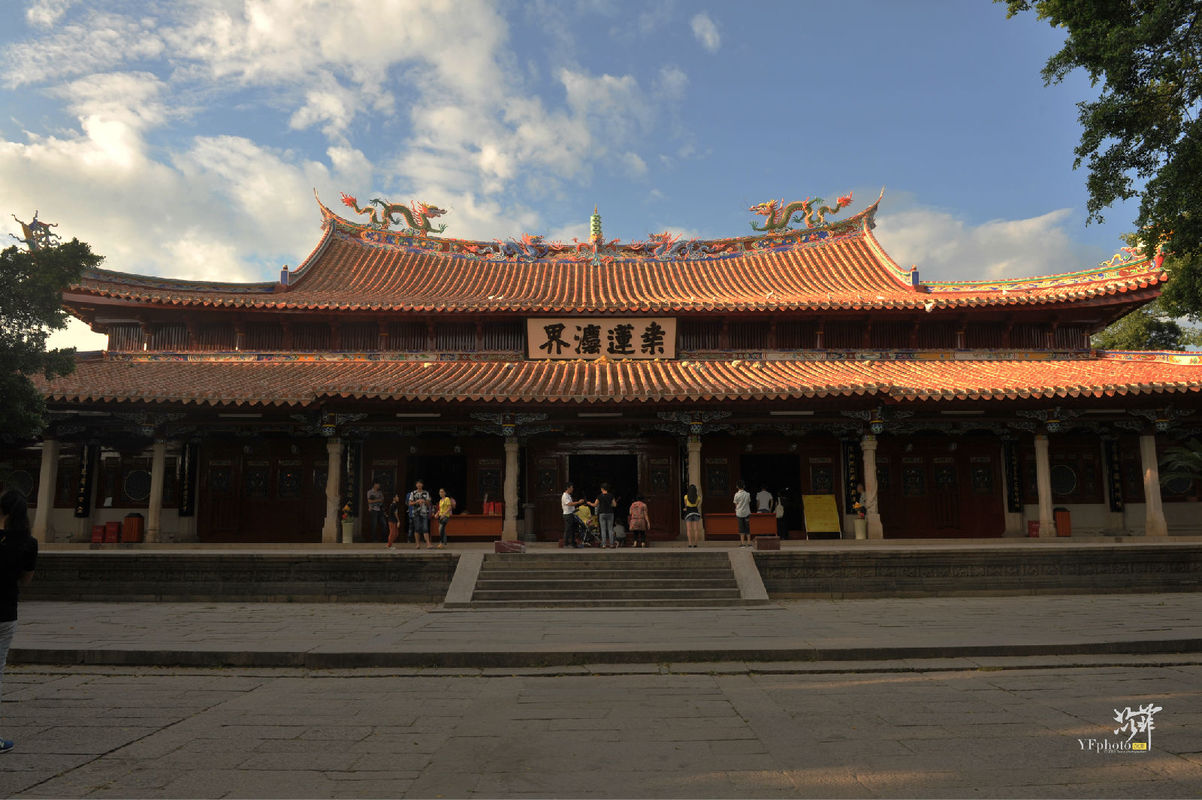
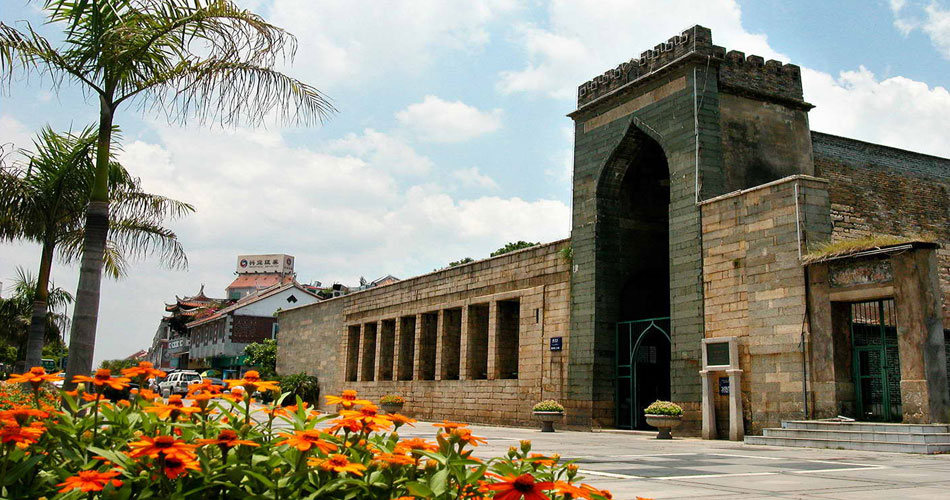
During the 11th through 14th centuries. It was visited by both Marco Polo and Ibn Battuta; both travelers praised it as one of the most prosperous and glorious cities in the world. Medieval Quanzhou was long one of the most cosmopolitan Chinese cities, with folk, Buddhist, and Hindu temples; Islamic mosques; andChristian churches, including a cathedral (financed by a rich Armenian lady) and two Franciscan monasteries. Andrew of Perugia served as the Roman Catholic bishop of the city from 1322. Odoric of Pordenone was responsible for relocating the relics of the four Franciscans martyred at Thana in India in 1321 to the mission in Quanzhou. Protestant The English Presbyterian missionaries raised a chapel around 1862. The Qingjing Mosque dates to 1009 but is now preserved as a museum. The Buddhist Kaiyuan Temple has been repeatedly rebuilt but includes two 5-story 13th-century pagodas. Among the most popular folk or Taoist temples is that to Guandi (关帝庙), the war god who is honored for his control of weather and wealth. Jinjiang also preserves the Cao'an Temple (草庵寺), originally constructed byManicheans under the Yuan but now used by New Age spiritualists, and a Confucian Temple (文庙, Wenmiao).
Quanzhou is generally ignored by Chinese tourists in favor of nearby Xiamen.[42] Nonetheless, Quanzhou was one of the 24 famous historic cultural cities first approved by theChinese government. Notable cultural practices include:
- Liyuan Opera (梨园戏)
- Puppet Show (提线木偶戏)
- Gaojia Opera (高甲戏)
- Dacheng Opera (打城戏)
- Nanyin (南音), a musical style dating to the Han but performed in the local dialect[42]
- Quanzhou Shaolin Five Ancestors Fist (泉州五祖拳)
- Yongchun martial arts
* The introduction is mainly from WikiPedia.